
Welcome to another edition of Train Terminal, the only Hornby TT:120 update from the Hornby development team.
In this edition, we focus on rolling stock for your Hornby TT:120 layout: the MGR HAA hopper wagons and the 21T mineral wagon. We also update you on the Class 37 and Class 31 projects.
There was a growing demand for electricity in the 1960s and a solution was sought. To upgrade the National Grid, several new generation power stations were constructed. A continued supply of coal at a rapid rate was needed to generate electricity at these power stations. Wagons at the time did not have a high capacity to move the large quantities of coal needed from the collieries to the power stations. As the need arose for cargo and coal to be transported in a more innovative way, BR decided to apply the Merry Go Round train concept to a new batch of rolling stock. The wagons were designed to load and unload their cargo through opening doors on the underframe or on the sides as they were moving along.
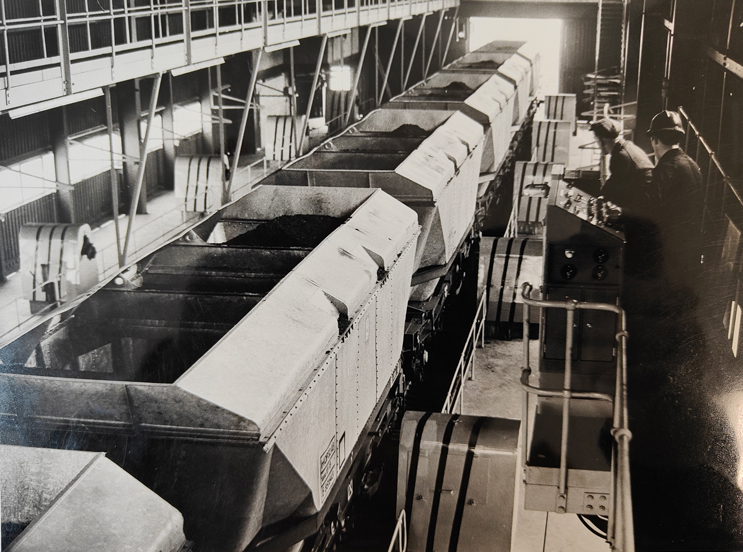
Property of the BR Board
A grand total of 10,961 MGR wagons were constructed between 1964 and 1982 at Ashford and Shildon, except for two prototypes numbered 350000 and 350001 that were built at Darlington. Only 160 wagons were constructed at Ashford. Many variants emerged over the years including HAA, HBA, HCA, HDA, HFA, HMA and HNA, and rebuilds were common. The standard hoppers were initially coded ‘HOP AB’ with B prefixes for the running numbers. Under TOPS, the wagons were coded HAA, and the B prefix was removed from the running numbers during the mid-1970s. HAAs were restricted to 45mph when loaded with cargo but they were usually authorised to run at 55mph when empty. Some wagons were capable of 60mph when they were not loaded.
The demise of the MGR hoppers occurred in 2008 when the final services ran to Longannet power station in Scotland. MHA and CDA variants are still in service today but in exceptionally low numbers.
For a comprehensive look at the prototypical wagons, you can read an earlier Train Terminal blog here: Merry Go Round and More.
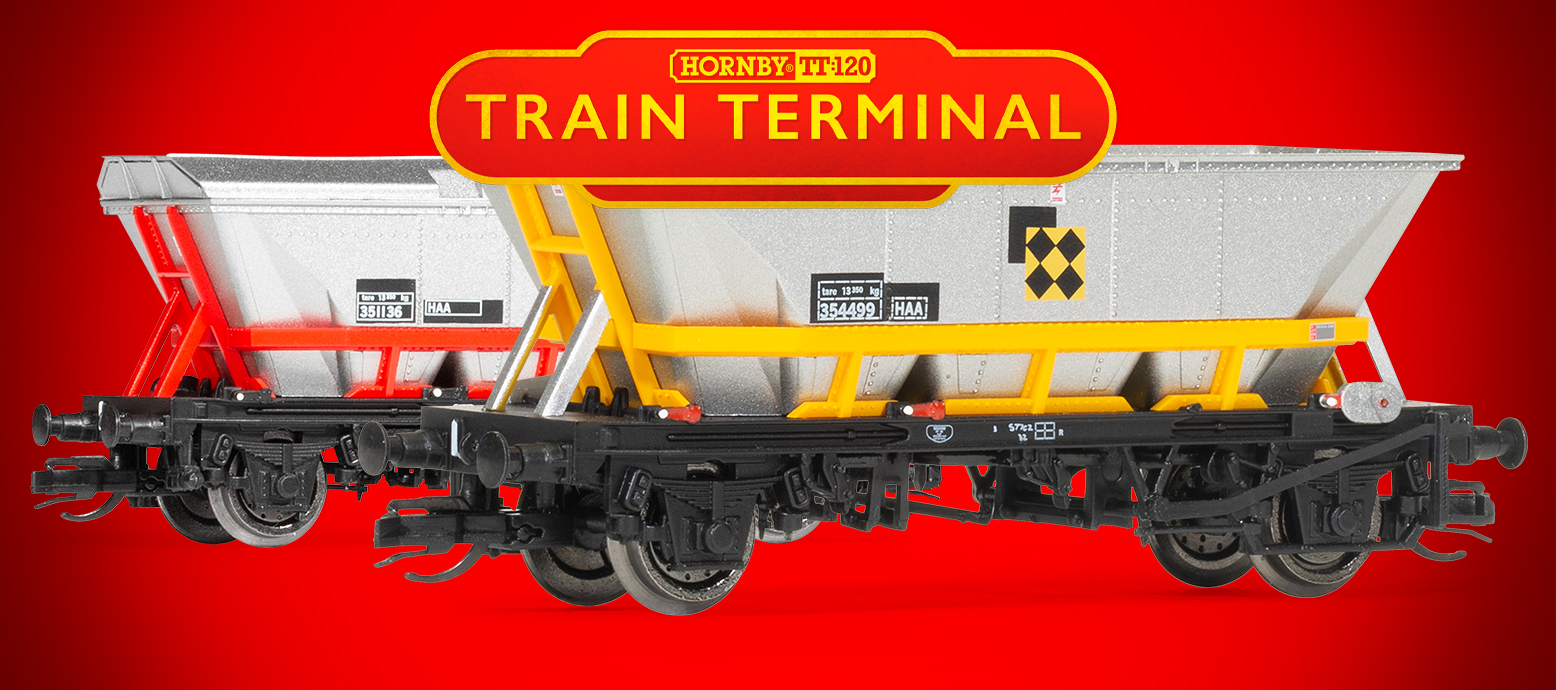
Unique rolling stock that can be added to your layout are the BR Merry Go Round hopper wagons. Approved samples of these wagons, particularly of the ubiquitous HAA variant, can be seen below.
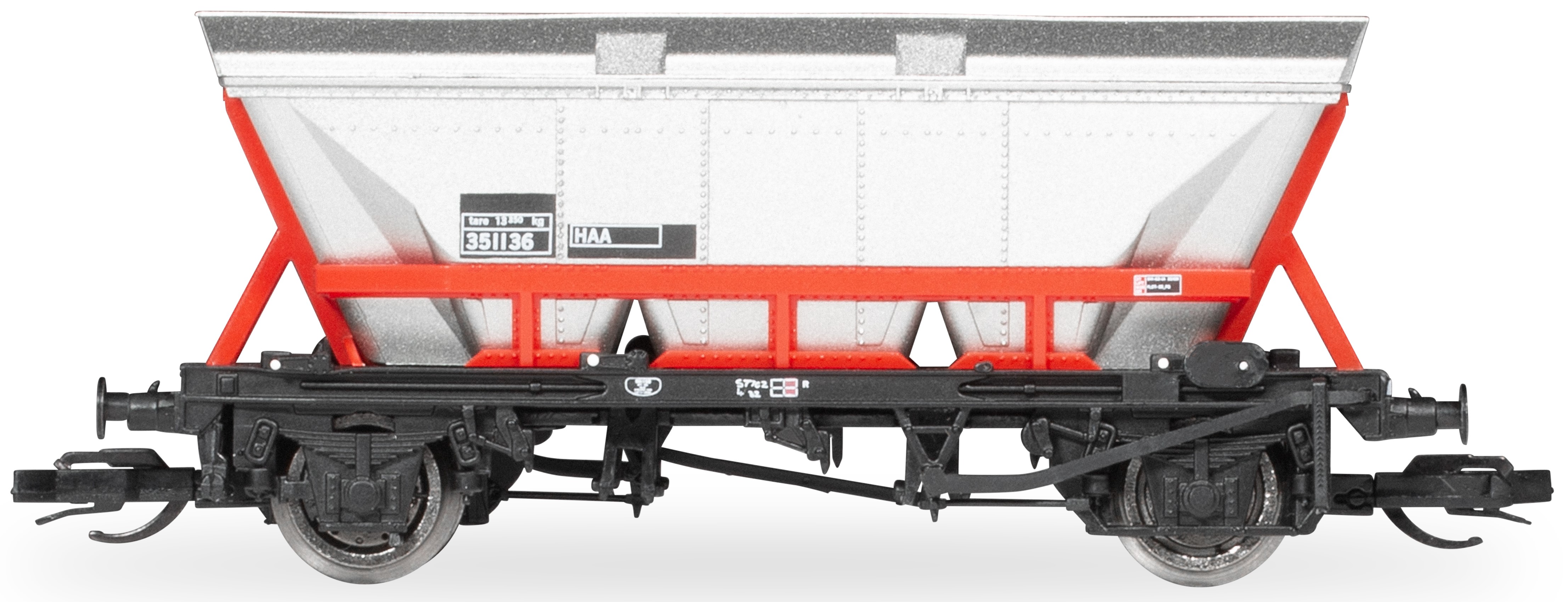
TT6013B BR Railfreight, HAA Hopper, 351136 - Era 8
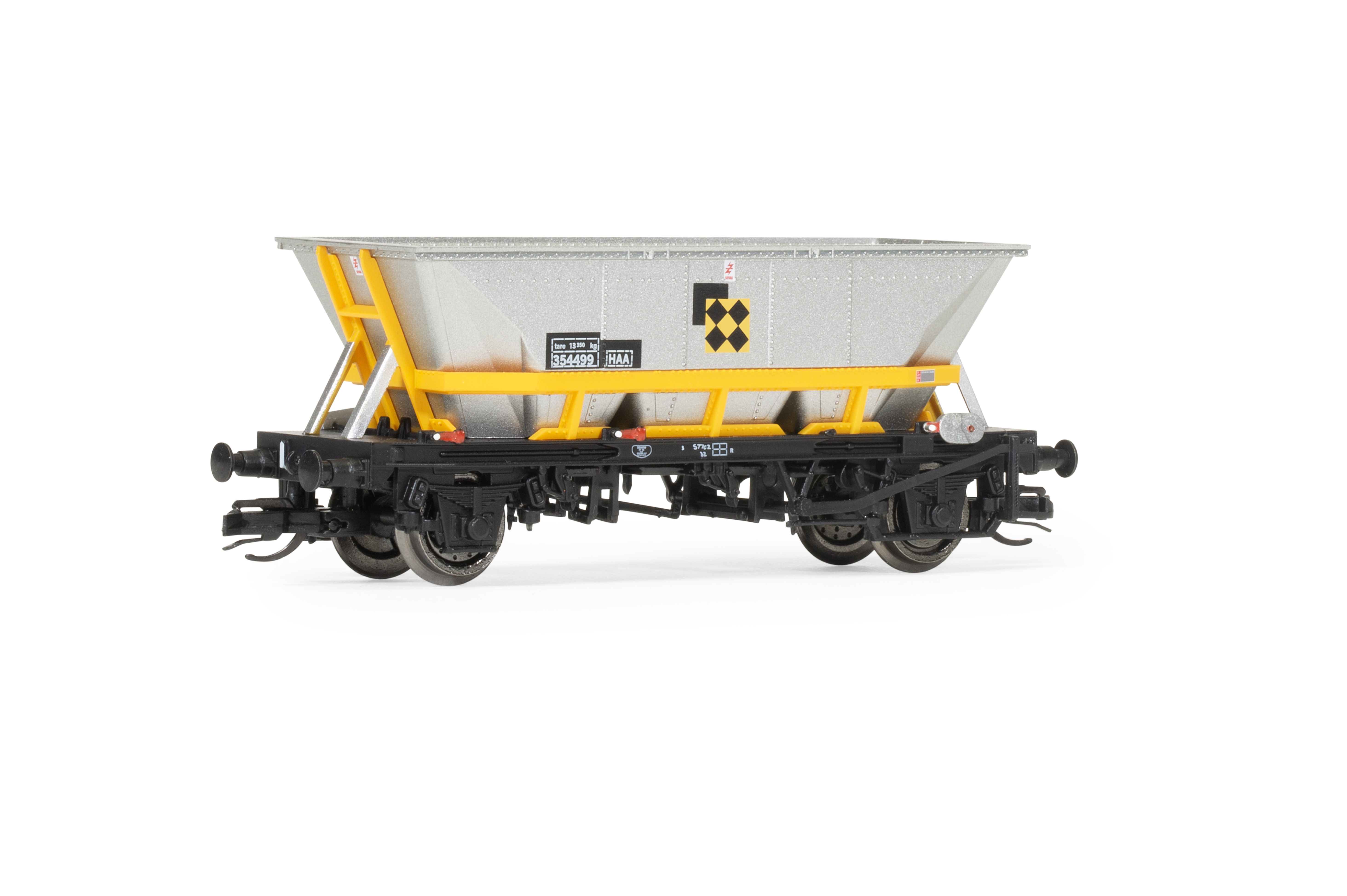
TT6014B BR Coal Sector, HAA Hopper, 354499 - Era 8
We produced the HAA variant for different operations: a BR Railfreight wagon with red frames and a BR Coal Sector wagon with yellow frames. We chose the following running numbers for these various wagons: 35116, 354497, 351135, 351134, 354496 and 354499. These are not modelled as built in the 1960s but rather during the BR days in the early 1980s/late 1990s before the onset of privatisation.
The wagons incorporate fine detailing on the underframe. Die-cast metal doors have been incorporated on the coal sectorisation models to represent the prototypical doors that would have sprung open to release its cargo into the coal chute at a power station. Note the X pattern on the coal sector wagons for a different style of hopper door. On the sides of the coal sector wagons, a large coal sector logo has been incorporated to denote the usage of the prototypical hoppers.
Kinematic couplings have been fitted to the models to ensure close coupling between each wagon. As a rake coupled with a locomotive, they run smoothly on the track. We have received queries about whether the hoods can be removed from these wagons and the answer is that they can be removed.
Please note that TT6013B is currently out of stock.
TT6013 HAA Hopper, BR Railfreight - Era 8
TT6013A HAA Hopper, BR Railfreight - Era 8
TT6013B HAA Hopper, BR Railfreight - Era 8
TT6014 HAA Hopper, BR Coal Sector - Era 8
TT6014A HAA Hopper, BR Coal Sector - Era 8
TT6014B HAA Hopper, BR Coal Sector - Era 8
21T mineral wagons were mainly used to transport coal but other loads were sometimes carried, such as scrap metal, gypsum and rock salt. Initially, the unfitted wagons (TOPS code of MDO) were constructed in 1950 based on previous GWR wagon designs and a total of 1,500 were built to the Diagram 1/107. These featured two doors either side with another end door for end tipping. Oil axle boxes were also included.
The MDV 21T mineral wagons were an evolution of the Diagram 1/107 design and were vacuum-braked. They featured additional flap doors over the side doors and roller bearings. A total of 3,950 wagons were built to Diagram 1/120 and entered service in 1961. Each wagon could be seen carrying coal in the Midland Region and South Wales to power stations and steel works. The wagons saw widespread use in other UK regions such as the West Midlands, Kent and the Central Valley of Scotland.
A model of the 21T MDV mineral wagon is in stock and available to purchase now.
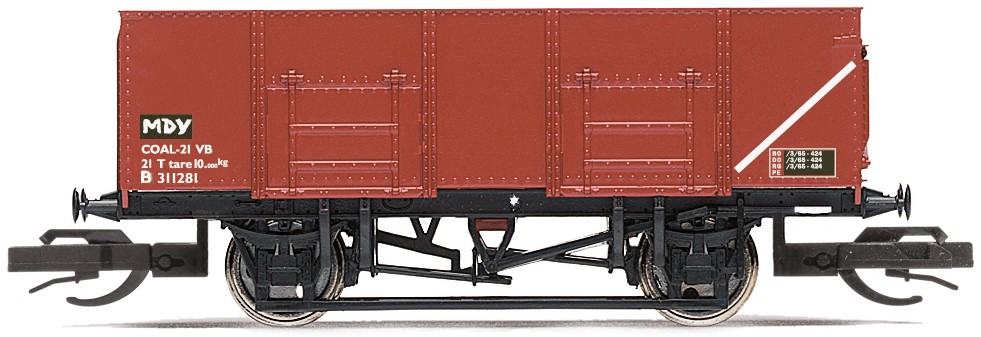
TT6015 21T Mineral Wagon, B311281
B311281 features a lovely BR bauxite livery, reminiscent of the prototypical wagon, and kinematic couplings to enable close coupling between other rolling stock and locomotives.
TT6015 21T Mineral Wagon, B314633
The Hornby TT:120 Class 37 project has now entered the tooling stage with a tooling suite of nine variations. The CAD has now also been approved.
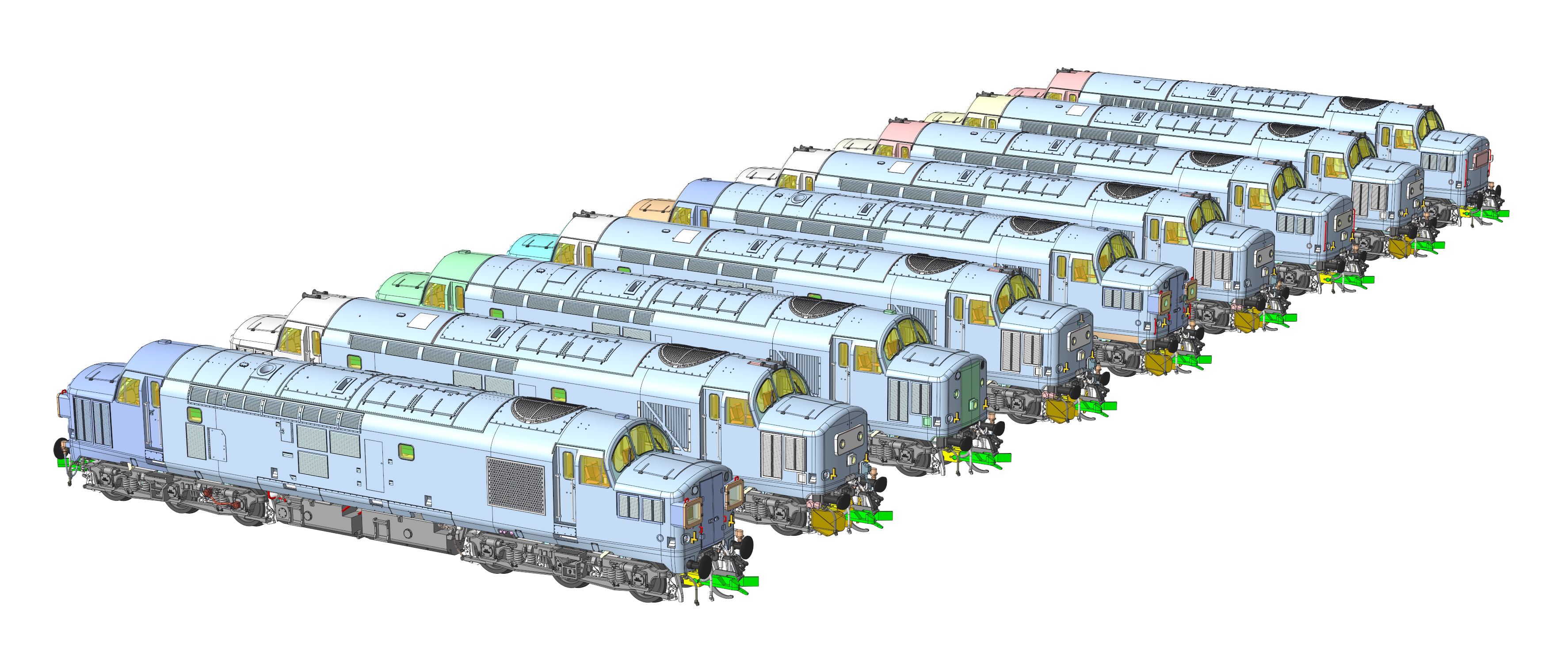
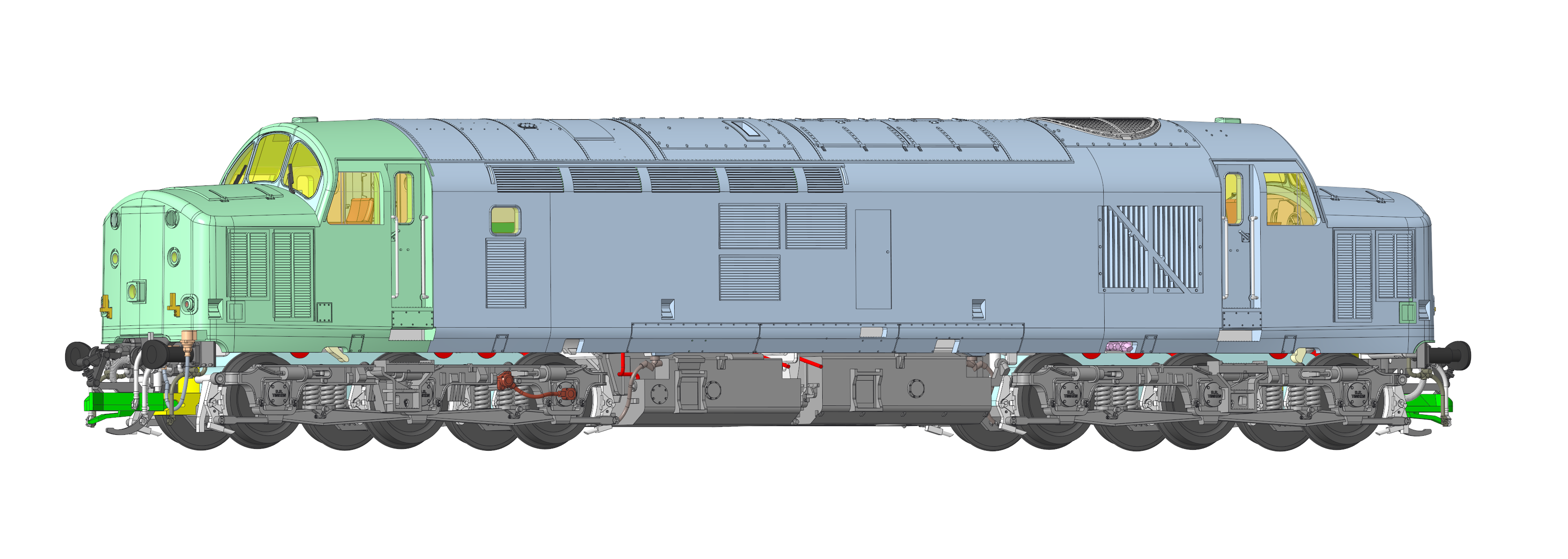
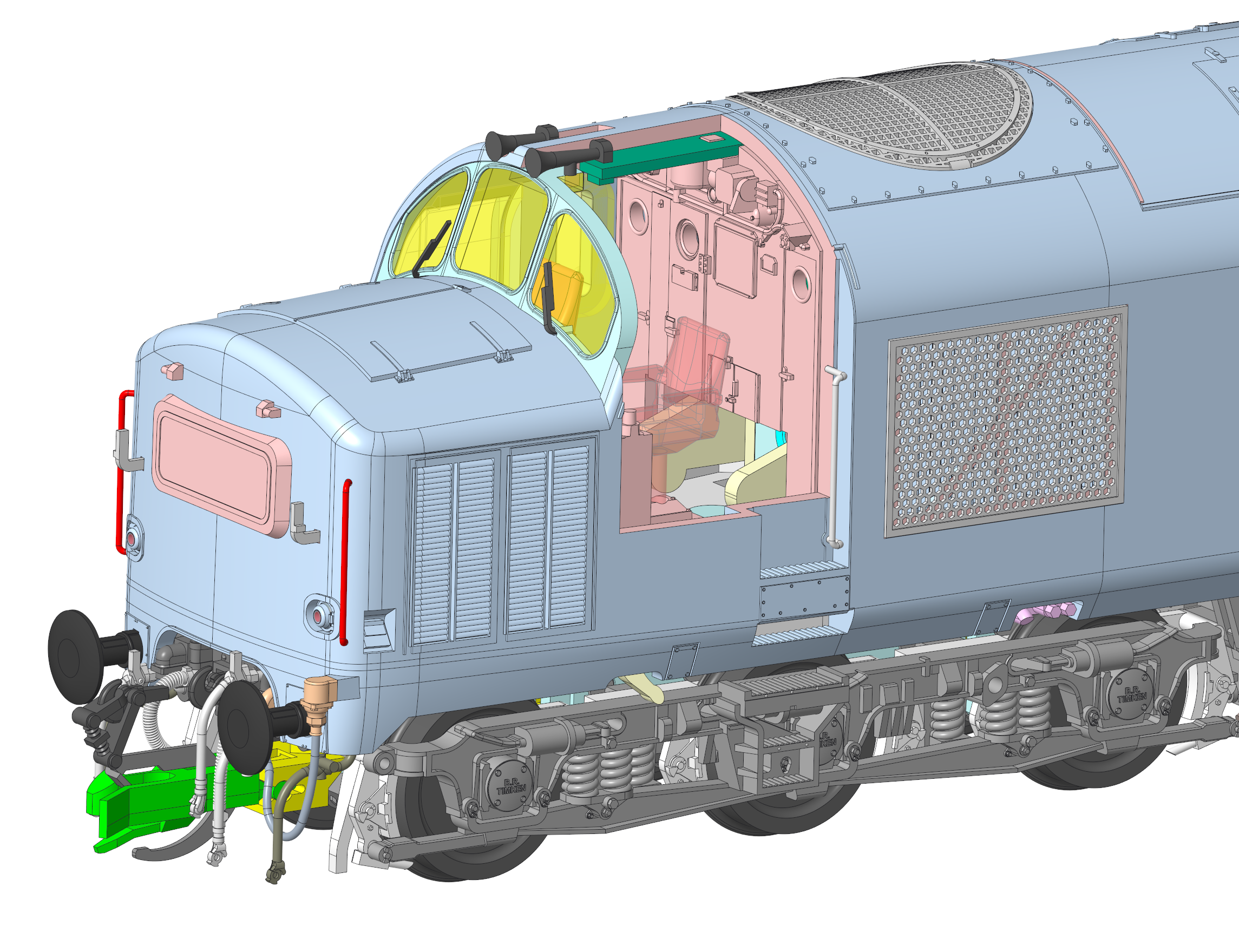
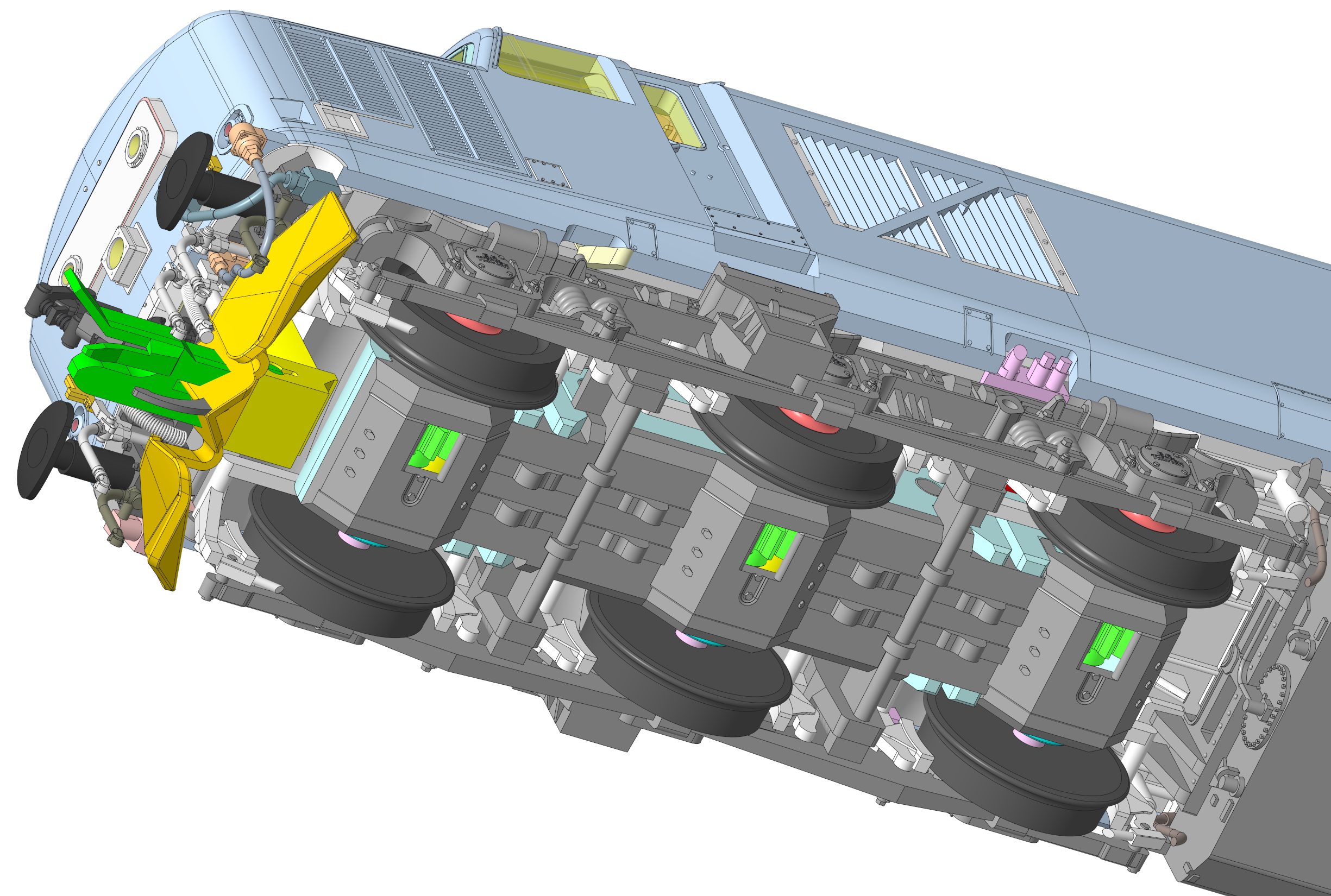
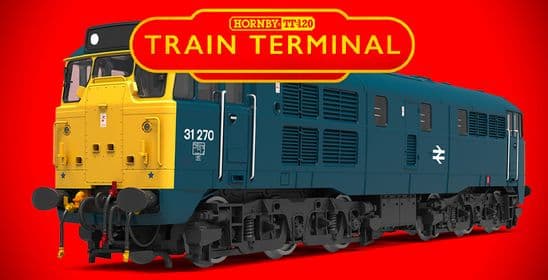
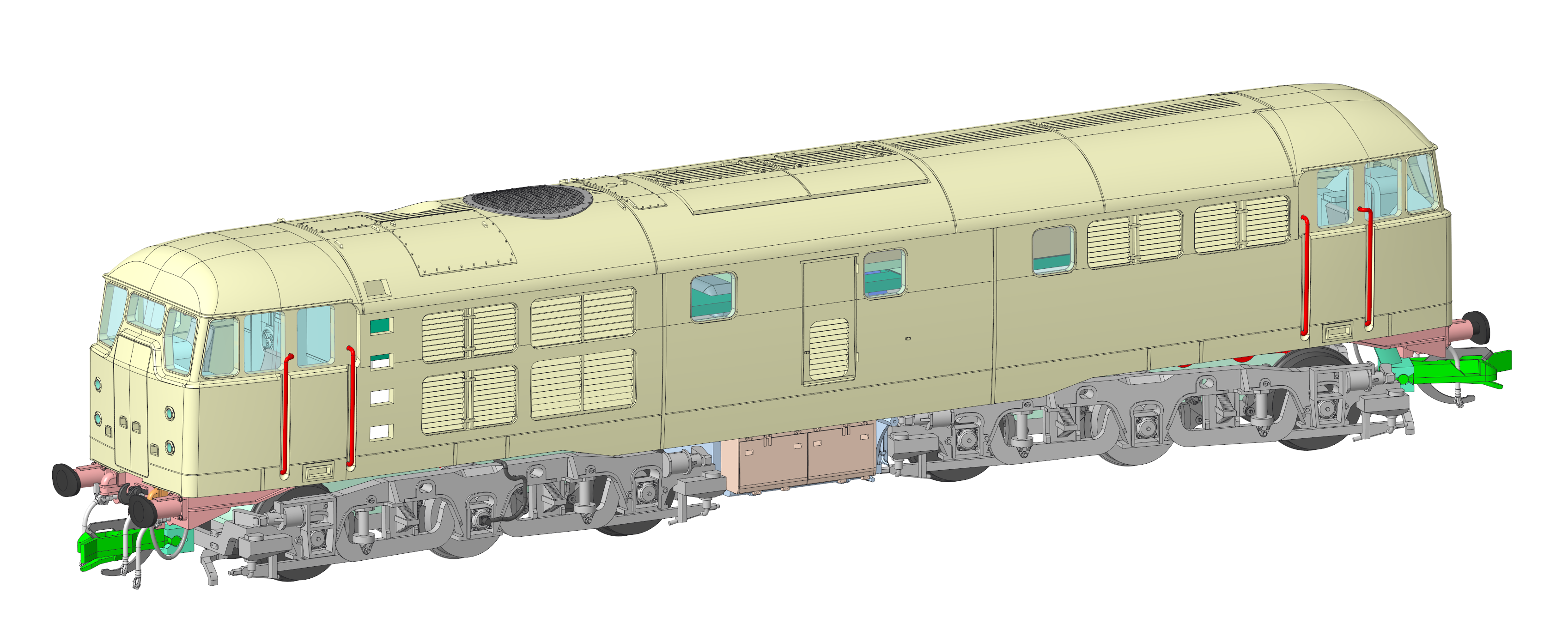
We have also started designing the Class 31 locomotives. Please note that the CAD shown below is still in the early stages of development and is not the final design.
Follow Hornby on Facebook, Twitter, TikTok and Instagram to keep up to date on all the latest news and product updates. Don’t forget to subscribe to the Hornby YouTube channel and tune in to our Beyond the Buffers Podcast.
Happy modelling!
The Train Terminal Team
© Hornby Hobbies Ltd. All rights reserved.

