
This edition features the Class 50 locomotive and Mk2f coach final samples, a first look at the J50 running sample, some interesting renders of the Class 37 and KFA container flat wagon plus a look at some new buildings available now to add to your small world.
The final samples of the Class 50 locomotives have arrived! For enhanced realism, sound fitted versions are also available here: TT3013TXSM BR, Class 50, Co-Co, 50007, 'Sir Edward Elgar' Digital - Era 8 & TT3014TXSM BR, Class 50, Co-Co, 50040, 'Leviathan' Digital - Era 7.

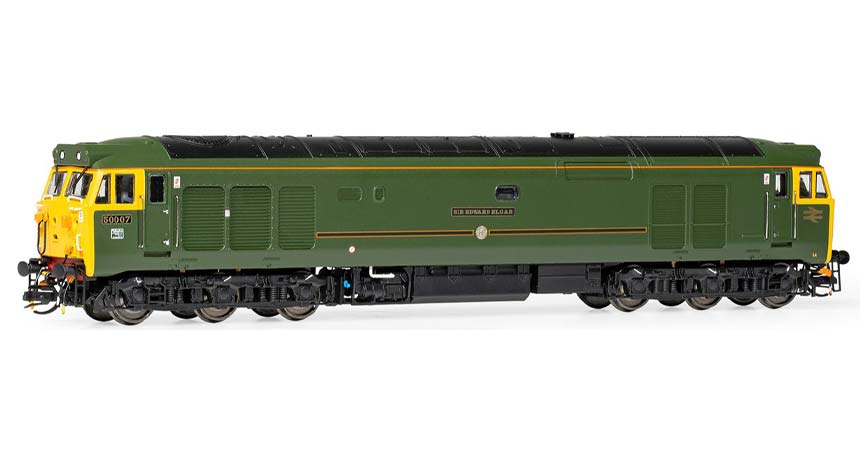
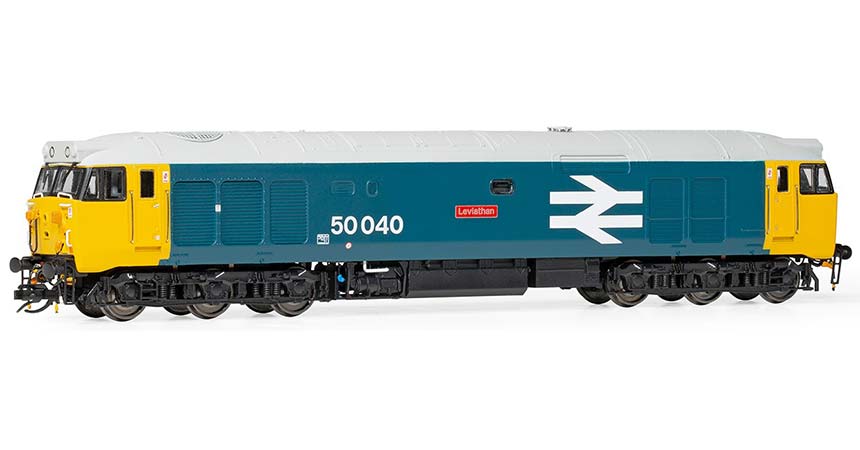
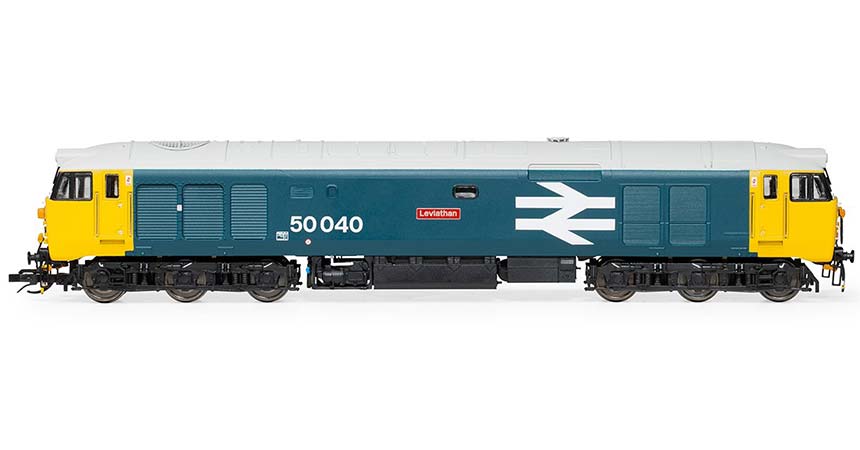
You may notice the absence of 50049 ‘Defiance’ amongst 50007 ‘Sir Edward Elgar’ and 50040 ‘Leviathan’. This has been delayed to 2025 so this variant will not be arriving with the other two Class 50 models.
We spoke to product designer, Sam, to find out more about these final samples and the process of designing the Class 50s.
Q: Firstly, tell us about the Class 50s and their background?
The BR Class 50’s was built in the late 60’s by English Electric for British Rail. Originally known as “Type 4s”, they were assigned “Class 50” when the TOPS system came into effect. There were only 50 built, so that is why they were called the 50’s!
Originally, they ran on the non-electrified West Coast Main Line (WCML) on the parts of the line between Crewe and Glasgow, but following electrification they found work in the South West.
The 50’s went through a few changes during their service, most notably with the removal of headcode boards, addition of headlights and modifications to the roof around the cooling vent.
Q: Were there any challenges with the design of the Class 50s?
Like all our new TT products, working in the smaller scale brought a few challenges to the design. The Class 50 is bigger than the Class 43 HST which I’d designed previously, so that allowed for a bigger motor, heavier chassis, and bigger acoustic chamber to be fitted.
Although we have Class 50’s in our ‘00’ range, revisiting the project some 20 years later has allowed for more detail to be added. It isn’t a case of “just scaling down” what we have but rebuilding the CAD models from scratch.
Q: How much did the 3D scan of 50007 'Hercules' aid with the design?
The 3D scan of ‘Hercules’ was a brilliant help to accurately model the cab ends of the locomotive model. The cab has a particularly tricky shape which blends the lower body section to the roof, with the cab windows in the middle. Adding the headcode box to the mix, it was difficult to replicate the front curve of the roof – you can’t just “remove” it from the scan to see the true shape. It took a few days of surface-modelling to finally crack the shape, but I managed eventually!
Thanks to the Bury Valiant Group who let us measure and clamber all over 50015 ‘Valiant’ on our research trip to the East Lancashire Railway, and to The Fifty Fund who provided us with a 3D scan of 50007 ‘Hercules’ to help with the design process.
Q: Are there any features that you're proud of?
There isn’t one thing I’m proud of with the TT Class 50, I’m proud of all of it! This is the second big diesel locomotive we’ve made in TT and the model is packed with detail. Whereas the HST is sleek and streamlined, the 50 has separate lamp brackets, separate foot-steps, buffers, bufferbeam piping, grab handles and jumper cables. The chassis is detailed with a variety of pipes and tanks, the engine fan is visible through the etched grill on the roof and the driver’s cab stove is even included! The model is also fitted with a 5-pole skew wound motor for excellent slow speed running, and with our HM7000 Next18 decoders we have directional lighting, headlighting and cab lighting with a sugarcube speaker and sizable acoustic chamber for sound. All of this works with our HM|DCC app where sound profiles will be downloadable upon launch of the product.
Q: Was there anything that needed to be corrected from the engineering samples and if so, what was it?
Generally, the engineering samples for the Class 50 were very good. It took a few versions to get the motor speed correct and one sample had some interesting lighting characteristic when controlled with a decoder, but all these issues were quickly ironed out.
Q: Finally, what is it like to experience seeing the locomotives you have designed running around the tracks at model railway shows?
It was great to display two of our Class 50s hauling our Mk2 coaches during the model railway show season, with 50007 ‘Sir Edward Elgar’ running on the Hornby Magazine layout Twelvemill Bridge and 50040 ‘Leviathan’ running on our stand. We had great feedback during the shows, and I’m excited to see both the locomotives and coaches on people’s layouts at home and other exhibitions around the country. They’ll add an extra depth to our TT range and unlock new regions and eras for people to model and make a fine addition to this exciting new scale.
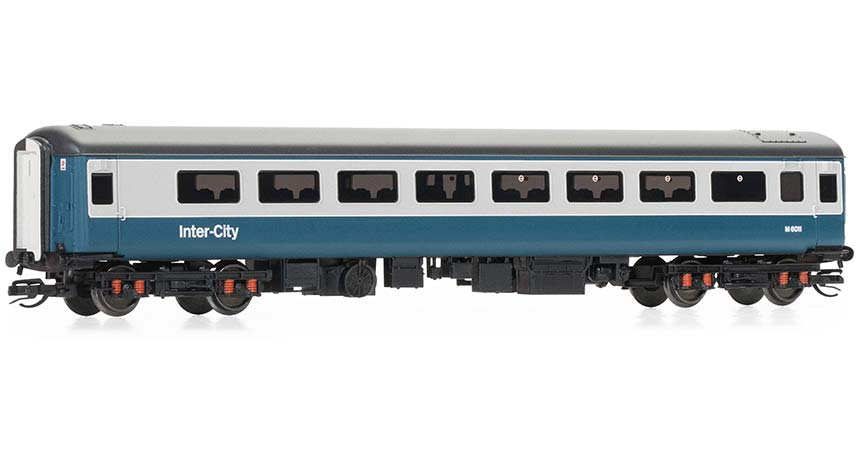
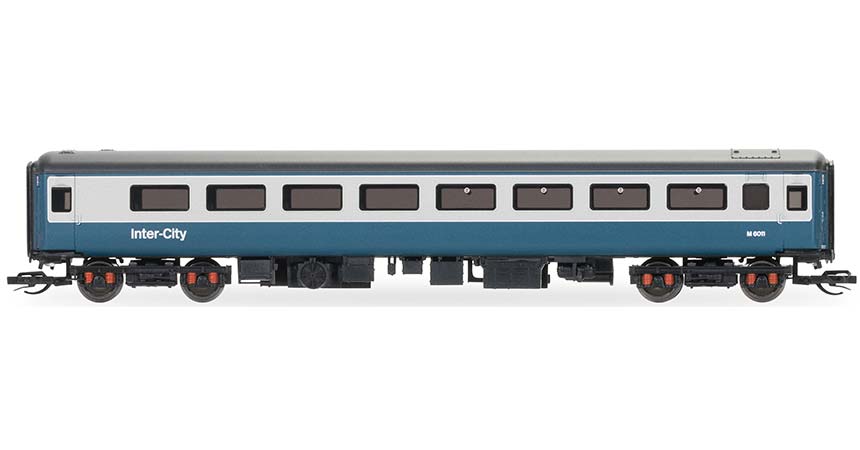
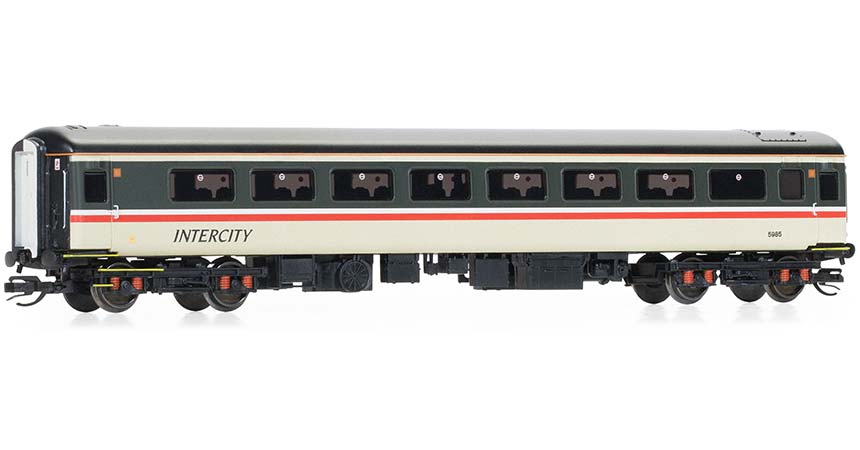
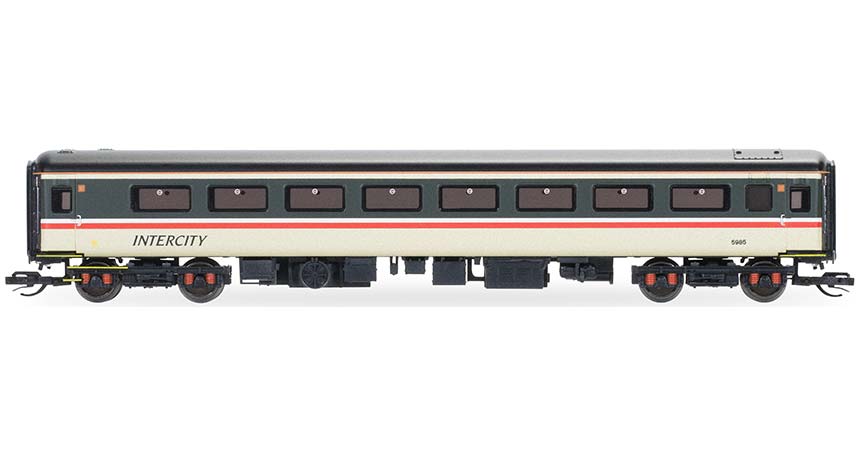
The BR Mk2f coaches incorporated many of the same features as the later Mk3 coaches such as floor sensor operated automatic gangway doors, new plastic seating (IC70) and full air conditioning with lower bodyside heaters.
The Mk2f coach models are of two different variants, a BR Blue and Grey and a BR InterCity livery. The following features are incorporated in the models to reflect the prototypical coaches:
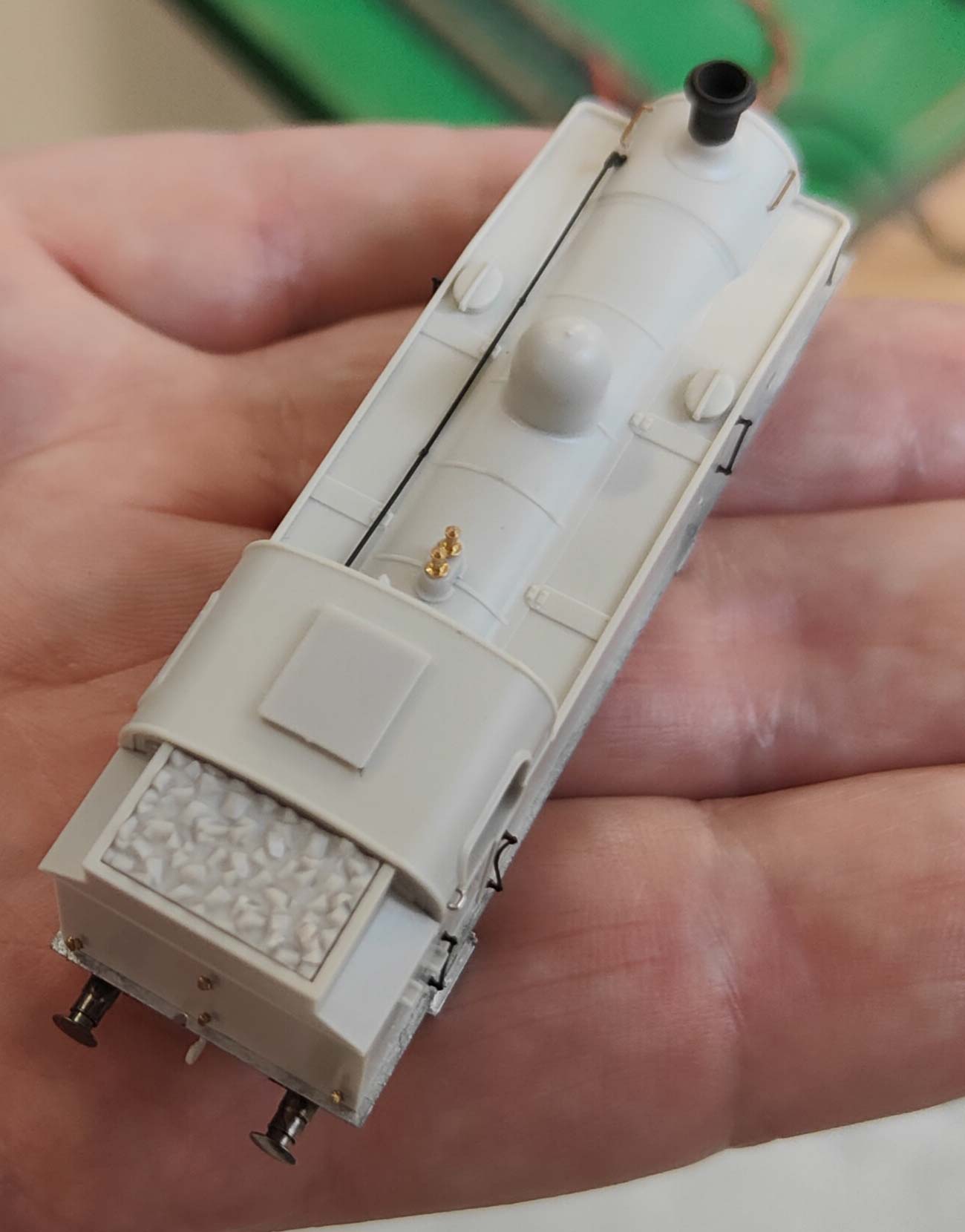
We reviewed the fit, detail and finish of the J50 first shots. After sending our comments to the vendor, we received the first fully built sample which was more of an approximation of the model.
We tested the locomotive under various conditions on the development track. The running sample ran well around points on its own. We ran the locomotive coupled with some coaches and it continued to run well.
We have updated the Class 37 renders which incorporates more detail and colour. You can see the distinctive cab fronts of a Class 37 locomotive and an etched metal grill.
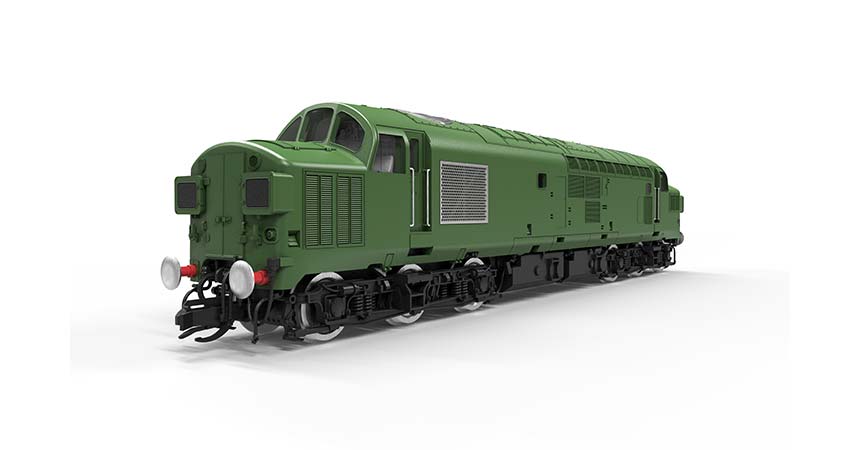
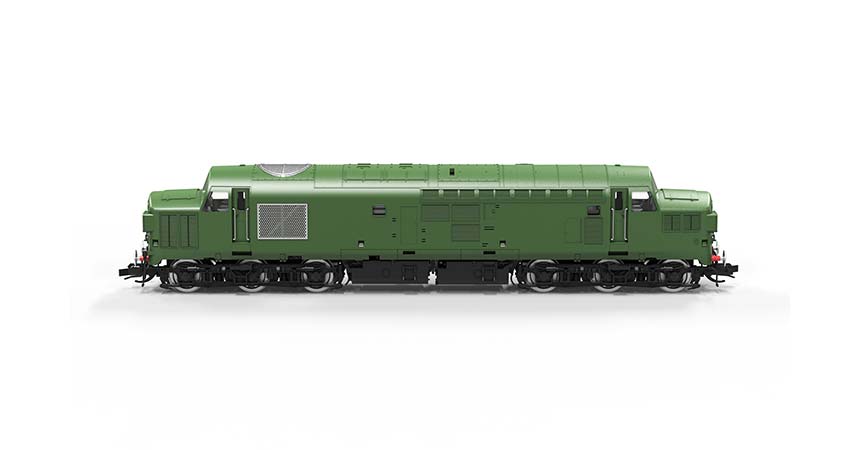
Each model will feature dual flywheels, pickups, illuminated headcodes, cab lighting, directional lighting, a five-pole motor and to have both a DCC ready and sound fitted (TXS) version. Please note that at this early stage of development, the stated specifications could change.
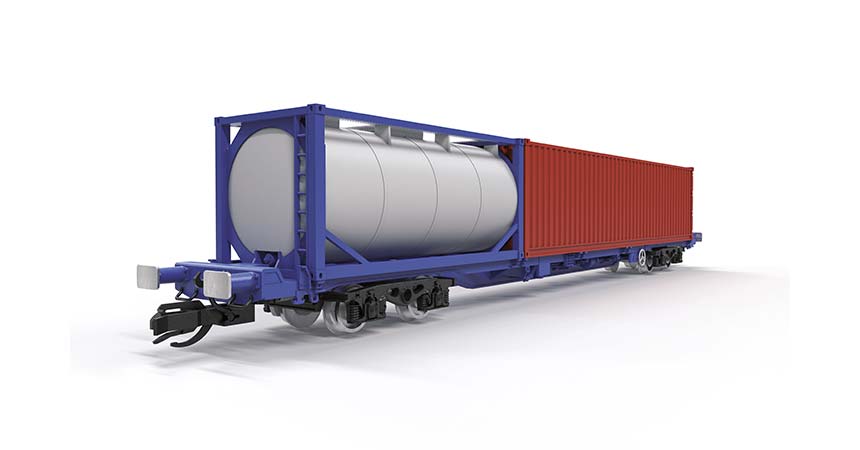
Enjoy a closer look at the KFA wagon render that was featured in the new Hornby TT:120 catalogue! The catalogue can be downloaded for free here. This render features a tank and shipping container as a load, close coupling mechanism, rectangular metal buffers and a die-cast chassis. Please note that these are still subject to change.
We have an excellent selection of buildings that are available now! Set the scene with these painted resin models, perfect for enhancing the detail and realism of any layout.
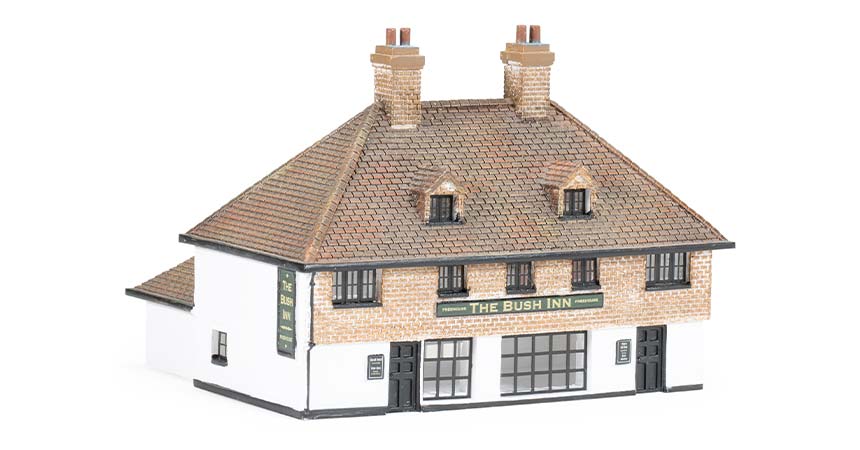
The Bush Inn is a typical British rural pub where a community can come together to socialise. The model features clear windows where lighting can be added to the interior and illuminate the pub.
TT9013 Scottish Croft 'Shepherds Rest'
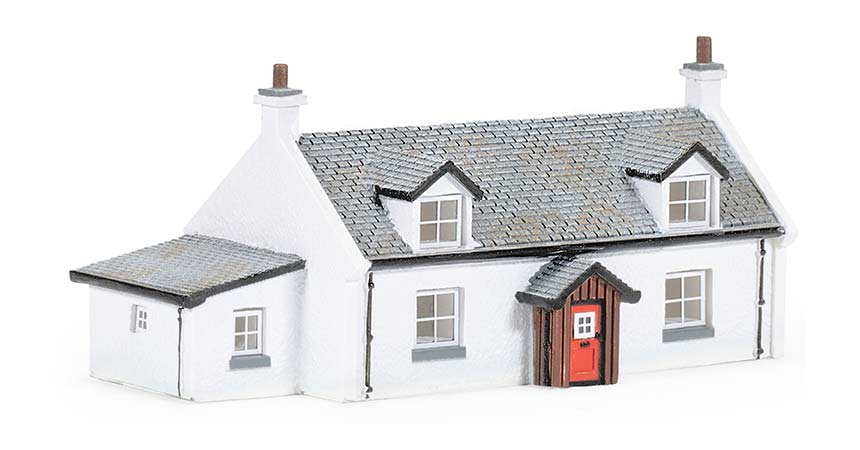
If you want to depict a Scottish rural diorama, then this charming ‘Shepherds Rest’ croft dwelling would be a perfect addition to such a scene. The croft adds a pastoral touch to any diorama. A typical croft building for the tenant farmer can be found nestled in the Highlands with a backdrop of picturesque scenery.
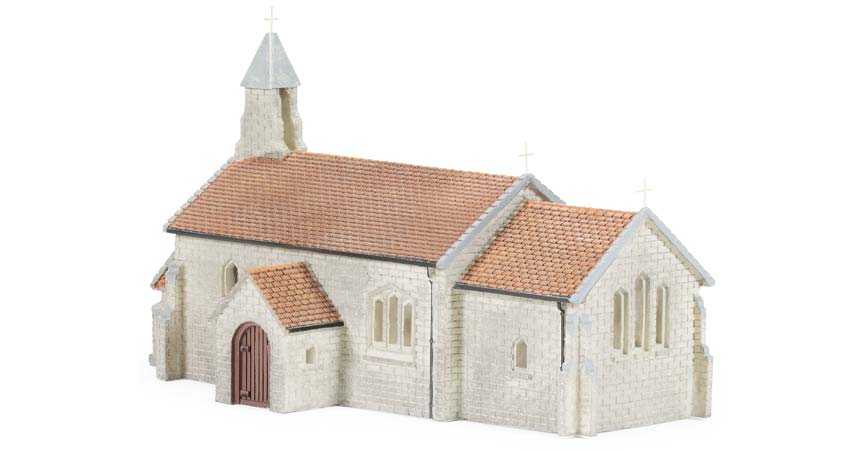
A rural diorama could be further enhanced by adding the St Andrews Church to your layout. With a steeple that can be seen for miles in your little model world and internal glazing, this church will certainly stand out amongst the scenery.
We had a great time attending Model World Live on 27 and 28 April! It was amazing to see the modelling community brought together at one show. A particular highlight was Pete Waterman and the Railnut’s incredible Making Tracks: The Final Frontier achieving the Guinness World Record for the Largest Portable Model Railway.
We hope you enjoyed the show, and we look forward to seeing you at the next one!
Be sure to follow Hornby on Facebook, Twitter, TikTok and Instagram to be kept up to date on all the latest news and product updates. Don’t forget to subscribe to the Hornby YouTube channel and tune in to our Beyond the Buffers Podcast.
Happy Modelling!
The Train Terminal Team
© Hornby Hobbies Ltd. All rights reserved.

