
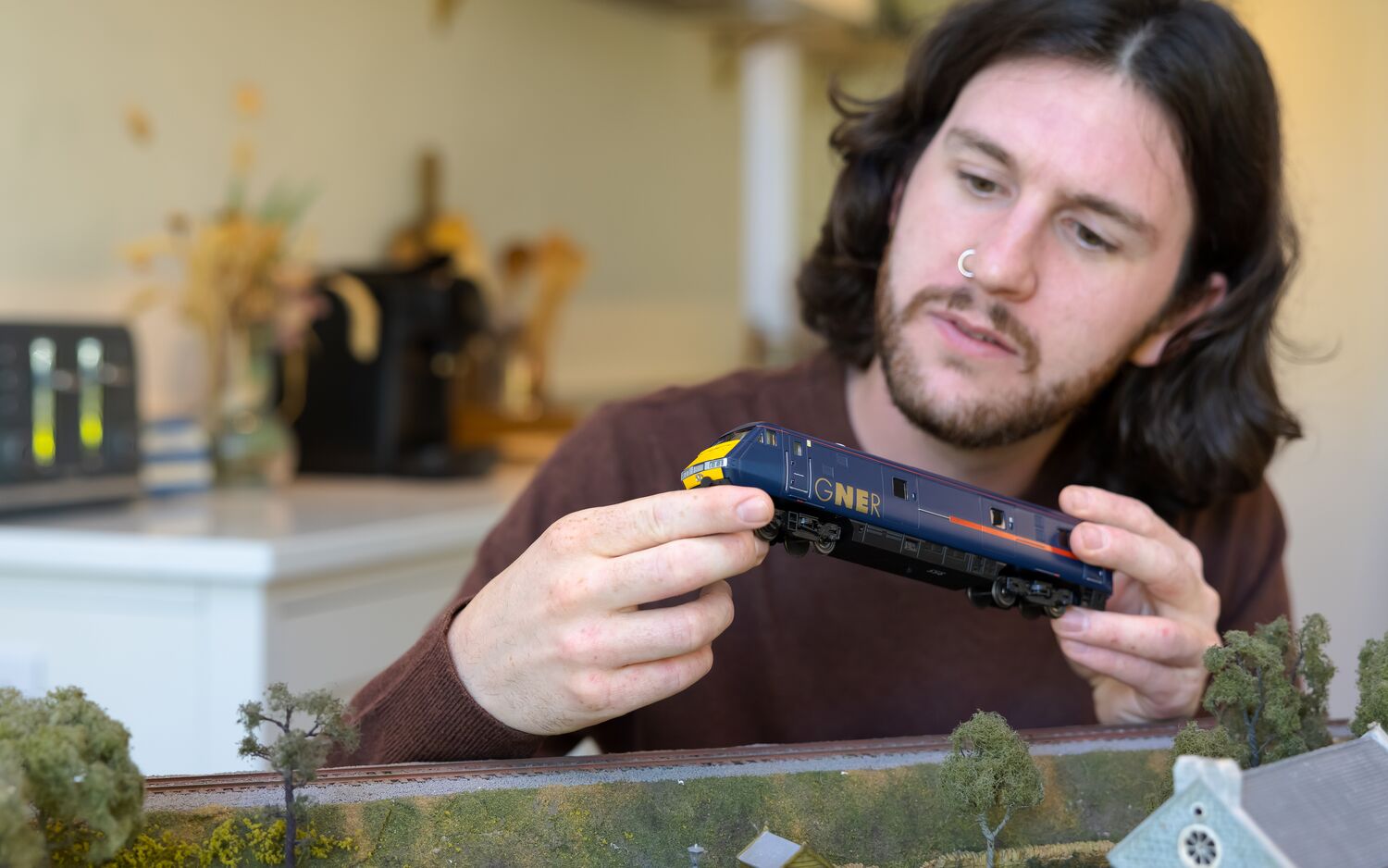
There’s nothing more frustrating than a model locomotive that is stalling, jerking along the track or point-blank refusing to move. Luckily, the answer is usually something very simple, rather than a problem with your model. Here is our guide to common model running problems and how to fix them.
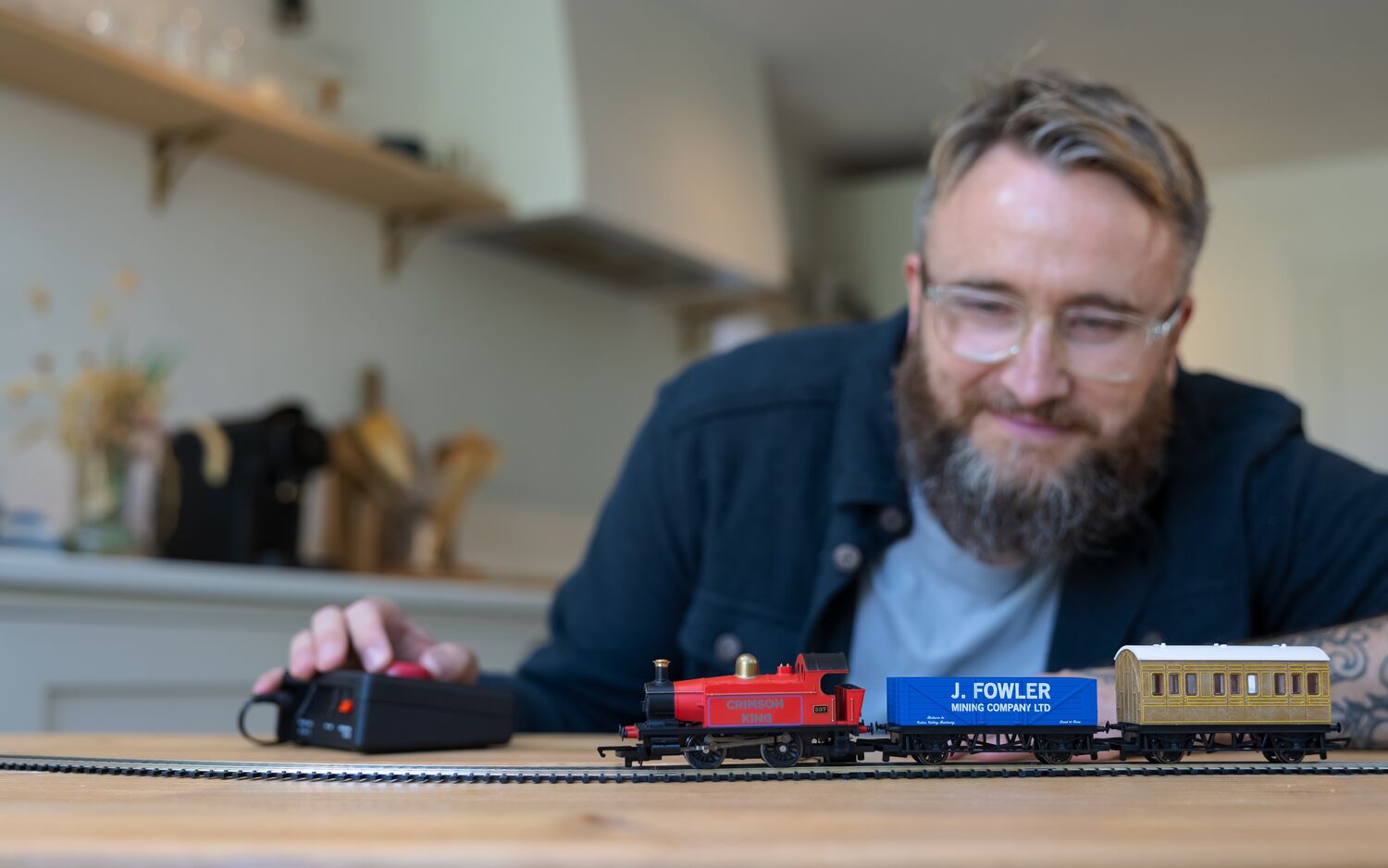
Before you panic that something is seriously wrong with your track or model, make sure that the basics are in place. First of all, make sure your track is clean and free from obstructions. If this is not the issue, ensure your controller is properly plugged in and that all the track pieces are securely attached to each other. Finally, make sure your locomotive is facing the right way.
If your train still isn’t running after these checks, it’s time for our troubleshooting guide!
Whatever the problem is, there’s a chance we can solve it here.
This is almost always an issue with connectivity. The first thing you should check is that all the wires are properly connected, so you know that power is reaching your tracks.
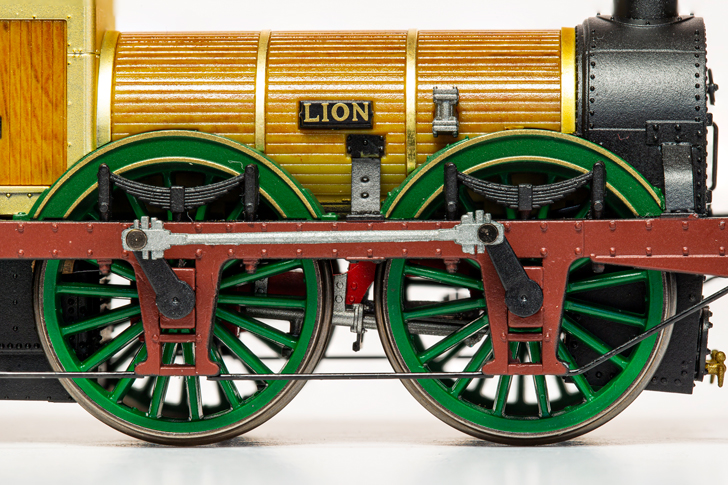
The most likely reason your model isn’t moving, however, is that your locomotive wheels are dirty or the track is dirty. Wipe the track and wheels down with a little isopropyl alcohol. Make this a regular maintenance task so the dirt doesn’t build up and cause issues in the future.
You can also add a little grease at the same time for smoother running.
Sometimes, the connectivity issue is between pieces of track. Make sure all your connections are in place and that nothing is pushing on the rails that might make them move out of line.
If you are still having issues, it might be something happening on the inside of the locomotive. Check for broken wires – these can be easily resoldered. And make sure everything is clean and grease-free on the inside too – pay close attention to contacts.
As with the other issues, it is important to make sure everything is properly connected and that those connections are clean/free from debris.
If it is only happening at specific points on your layout, then it is most likely an issue with the track piece. Try swapping it with another piece of track and see if you get the same issue.
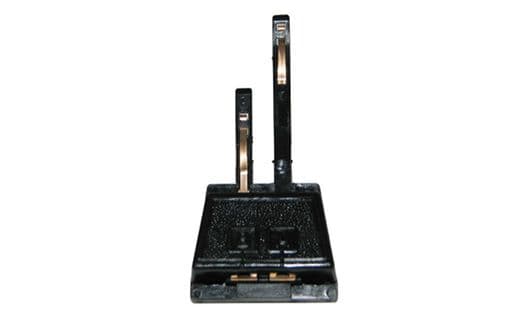
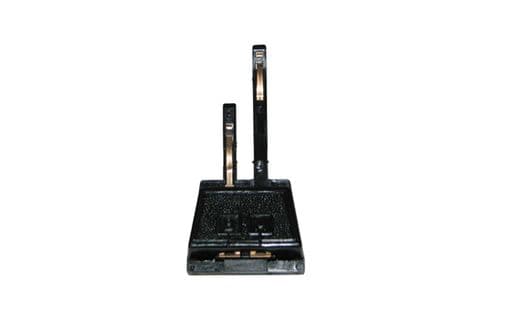
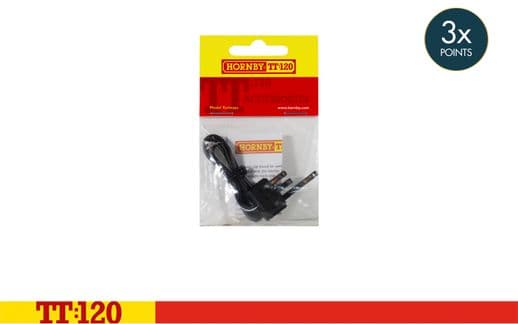
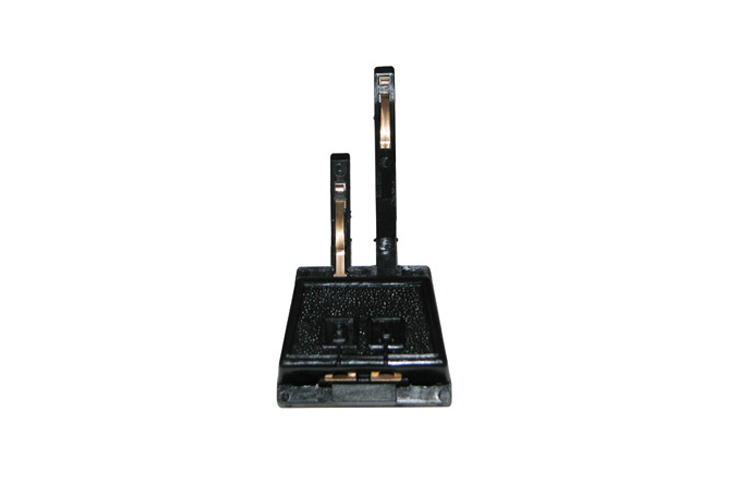
If not, and the problem occurs at a point that is far away from the controller, you might need more power. Try adding our Power Connecting Clips (available in OO, OO digital, TT:120, and TT:120 digital) to extend the power to where you need it.
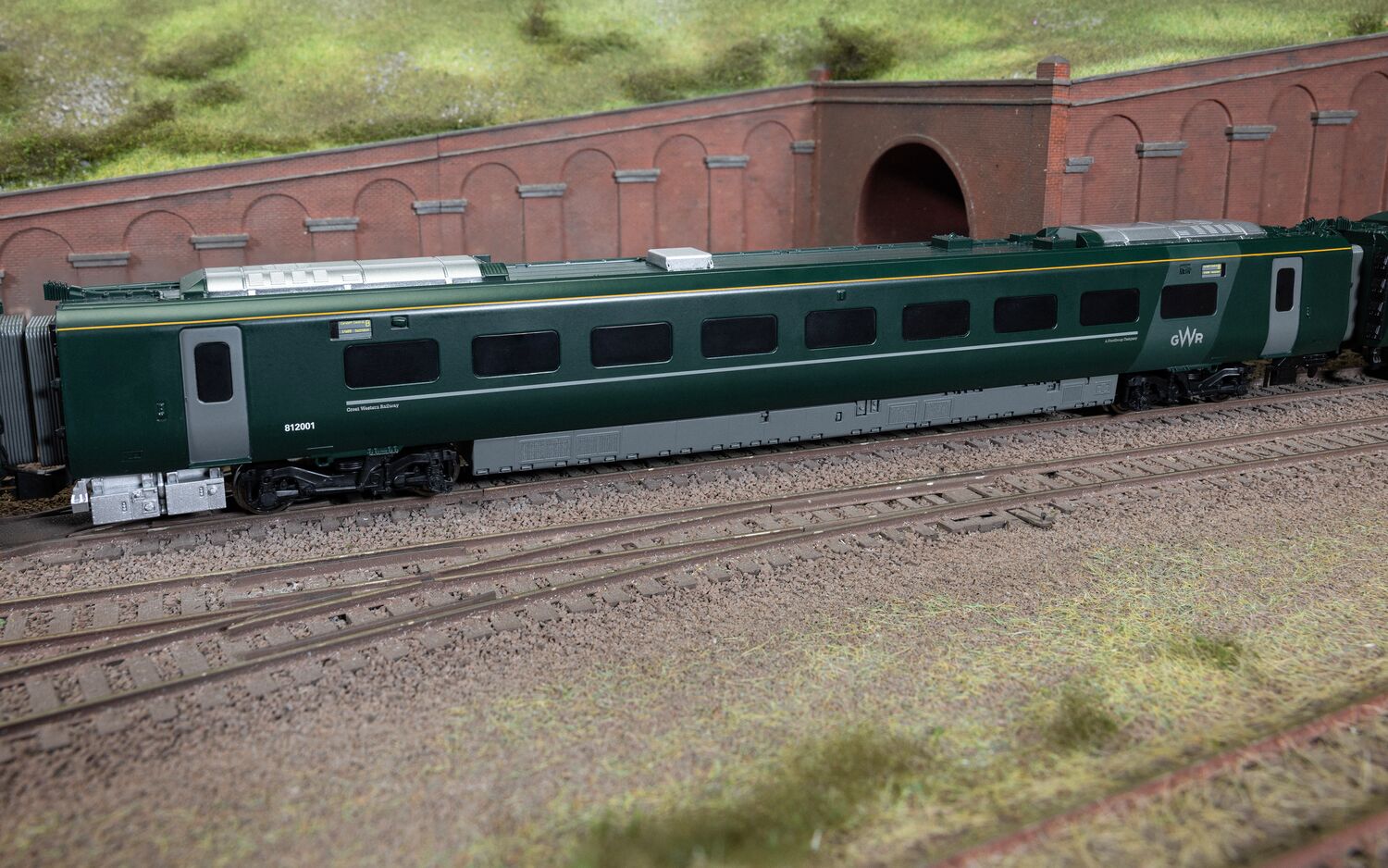
Check the same things that you would check if your locomotive won’t move or is stuttering.
If this doesn’t solve the problem, and your locomotive is DCC fitted, it may be an issue with your CV settings. Whether you’re using a mobile app or a handheld controller, check you’ve got the right settings for the speed you want.
Also, make sure you are not trying to pull a train that’s too long for your locomotive. The more wagons or coaches you add, the harder your locomotive will have to work.
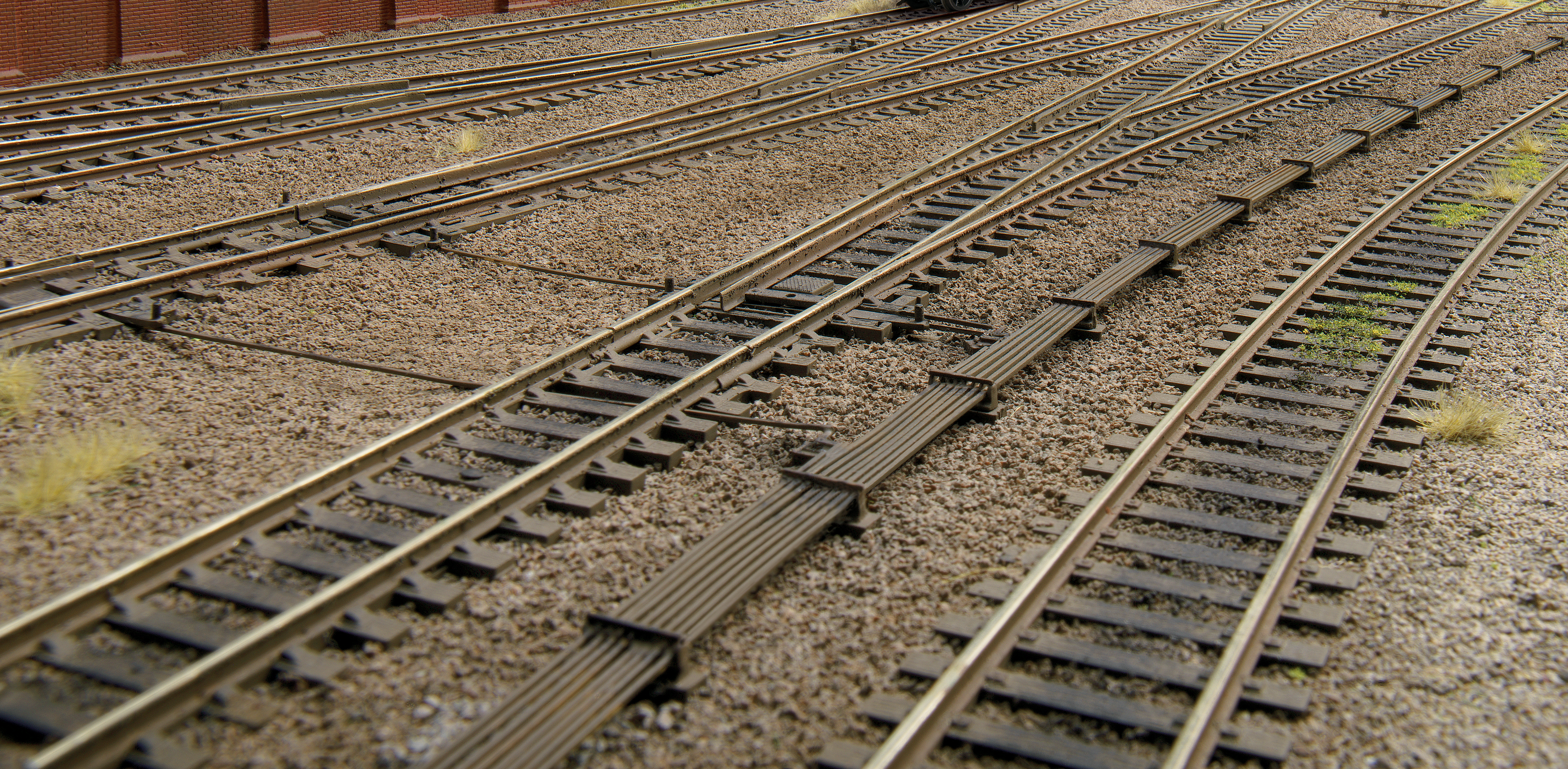
Sometimes, issues can be caused by things that don’t seem to be related at all. Make sure your track is completely level and on a flat , smooth surface – carpets will cause all kinds of problems.
Make sure your curves aren’t too tight for the models you are running and that all your points are correctly aligned.
Generally, troubleshooting DC and DCC models follows the same principles, but there are extra things to check with DCC locomotives. Always keep an eye on your settings, to make sure your locomotives are acting exactly the way you expect them to.
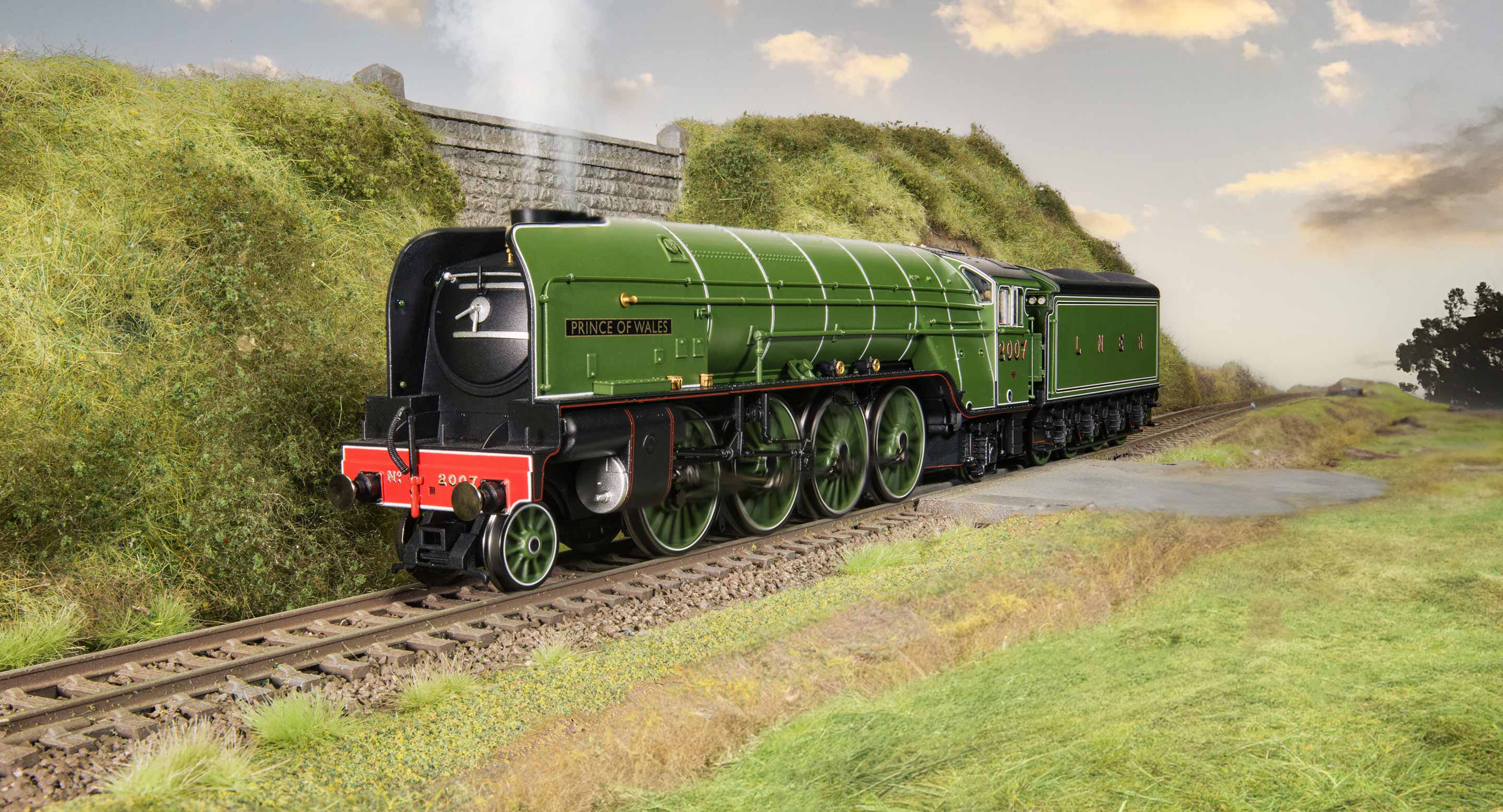
You can avoid most model railway issues by keeping your models and layout well maintained. Do a regular wipe down of your track and model wheels and store models in a clean, dry space when not in use. If you have a large collection of locomotives, make sure to give them all a run on your tracks every now and then, to keep them well lubricated and in good condition.
Brand new locomotives should come with a maintenance sheet, giving you instructions on how to care for your specific model. If you’ve purchased a second-hand model or you’ve misplaced your maintenance sheet, you can download a new one here.
Almost all model railway problems are avoidable or fixable, but if you are still experiencing issues, our customer services team are always available to help.