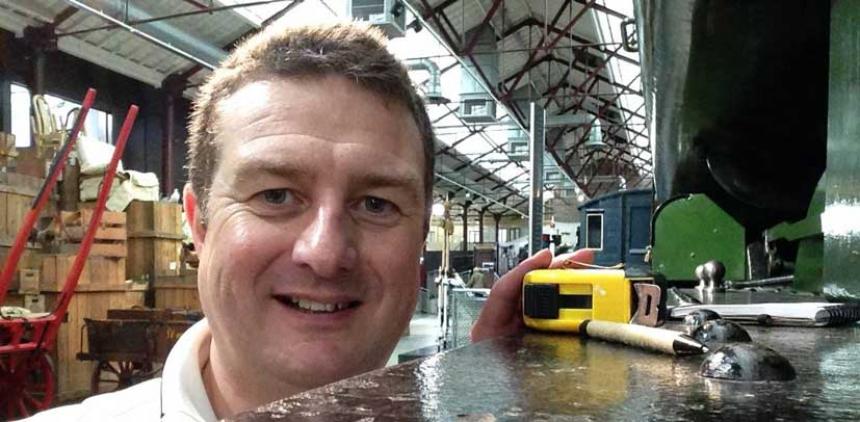
Welcome to this week's Engine Shed. In a new departure this week we're going to take a closer look at the role of one of the Hornby development team, our researcher Paul Isles. Paul has what might be regarded as a dream job by many model rail enthusiasts and, as you will see, the process of researching a particular model to replicate in model form is not as straight forward as some may think. So, without further ado it's over to Paul.
When our Web team first asked me to host this edition of the Engine Shed I was mortified. After all, the very nature of research is to remain quietly in the background, leaving others to utilise and communicate the information gathered.
I joined Hornby last summer, coming from a photographic and publishing background and like many males from my generation, I went through a childhood where a Hornby Railway or Scalextric set were commonplace, where Airfix models were made (and destroyed), Corgi and Dinky cars were actually played with and vast plastic soldier armies met in epic bedroom or garden battles. Is it any wonder, therefore, that after 22 years of meeting ever tighter publishing deadlines I was ready for a change; after all, who wouldn’t want to become the ‘R’ in Hornby’s R&D? My own areas of railway interest relate to the social and architectural history of the railways, my modelling interests being tramways, so for those readers that are concerned, I have no region specific agenda!
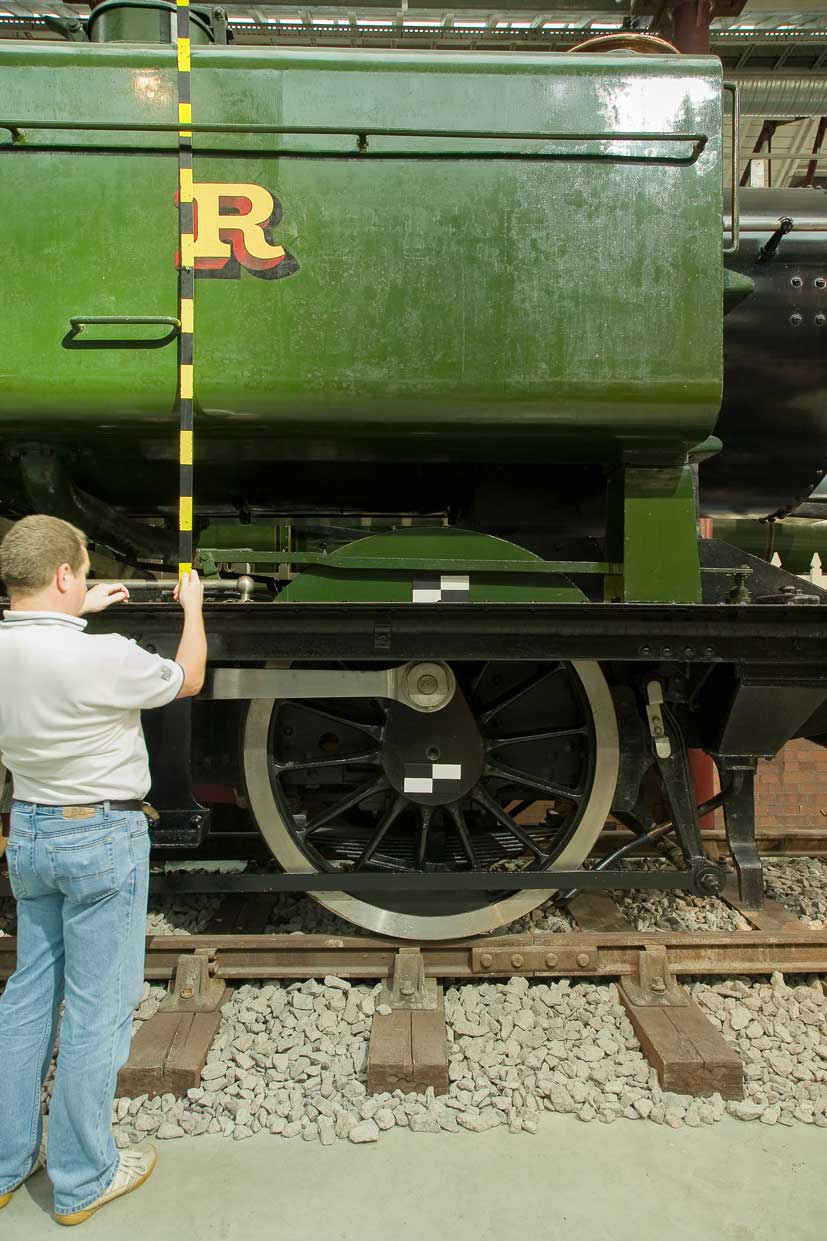
Measuring up the locomotives and rolling stock - not all projects make it through
Working on product research within Hornby, I occupy a completely different time frame to many people. As I write this, I am several months into researching the new items for our 2017 range and I’m looking ahead to what we might consider modelling in 2018. When I started here in 2014, I stepped straight into the 2016 range projects and within 48 hours I found myself at Barrow Hill to measure, photograph and 3D scan the Class 71, quite an introduction to the company. Those first few months were hectic, with research on the Class 71, Merchant Navy, Collett and ex-LSWR coaches occupying much of my time, along with further locomotives and wagons that we’ll reveal in due course.
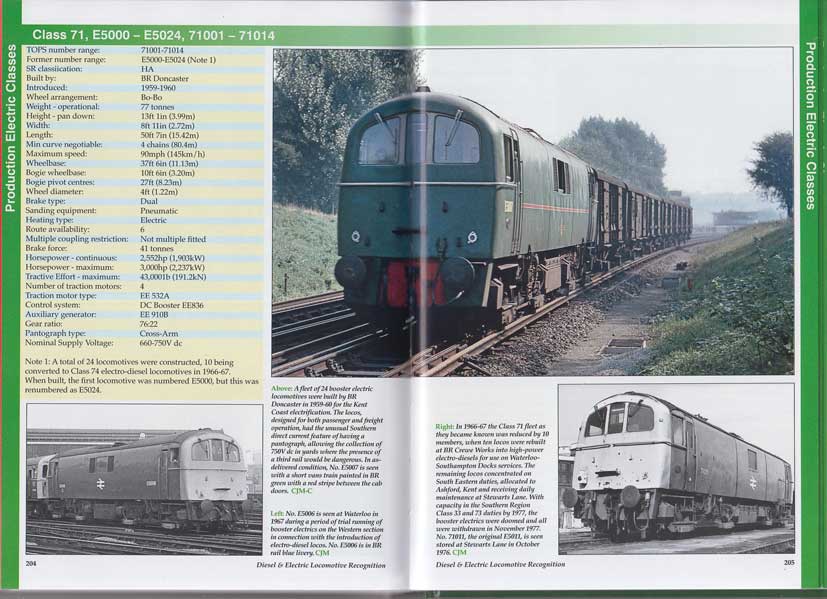
Reading up on the subject
3D scanning the Class 71 at Barrow Hill
We have a fantastic library of reference material here at Sandwich and along with regular visits to the National Railway Museum every 6-8 weeks, I can access 75% of the plans and additional background history I need in order to familiarise myself with the research subjects I am working on.
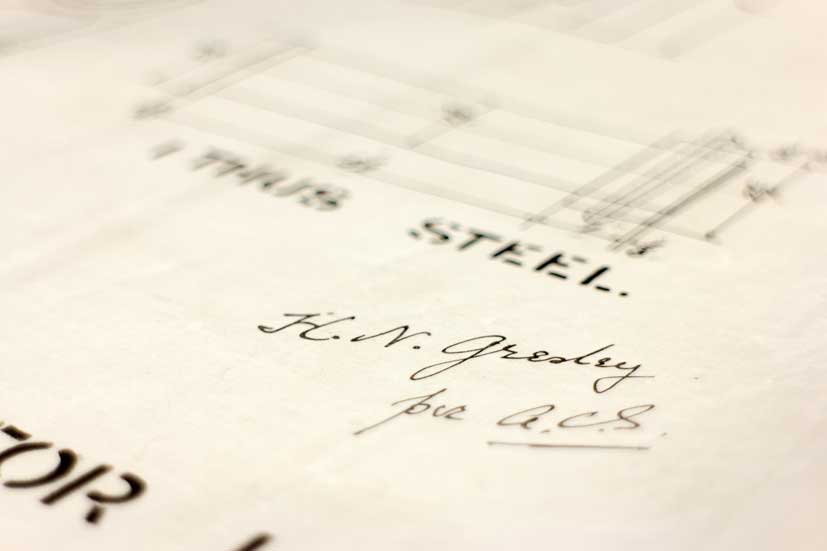
Touched by the master, Gresley's signature on plans - one of my engineering idols
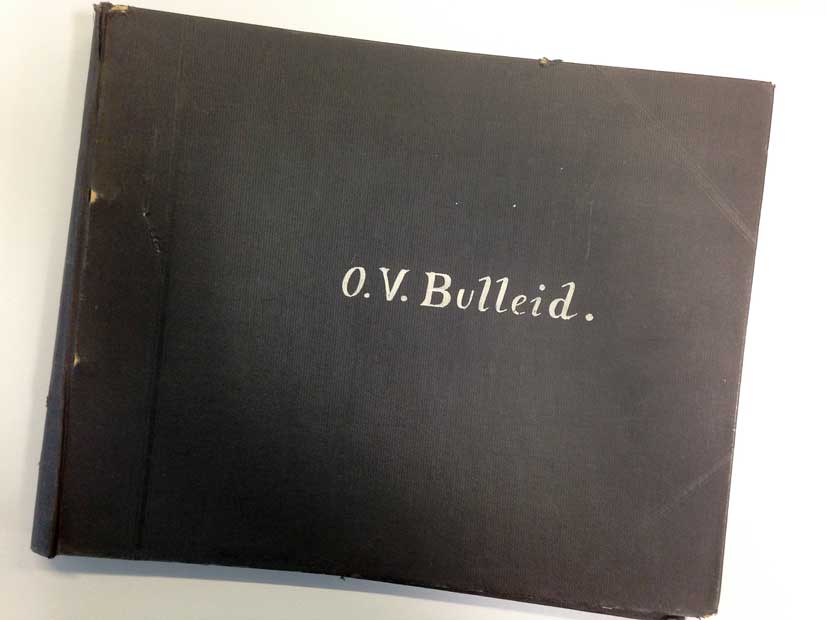
Personal photo albums of the regional CMEs
The staff in the NRM Search Engine are fantastic and I value their efforts in retrieving what has often proved to be some considerable amount of research material, from rolls of plans to fragile albums of photographs. The devil is in the detail though and this is where the preservation societies and locomotive owners play their part.
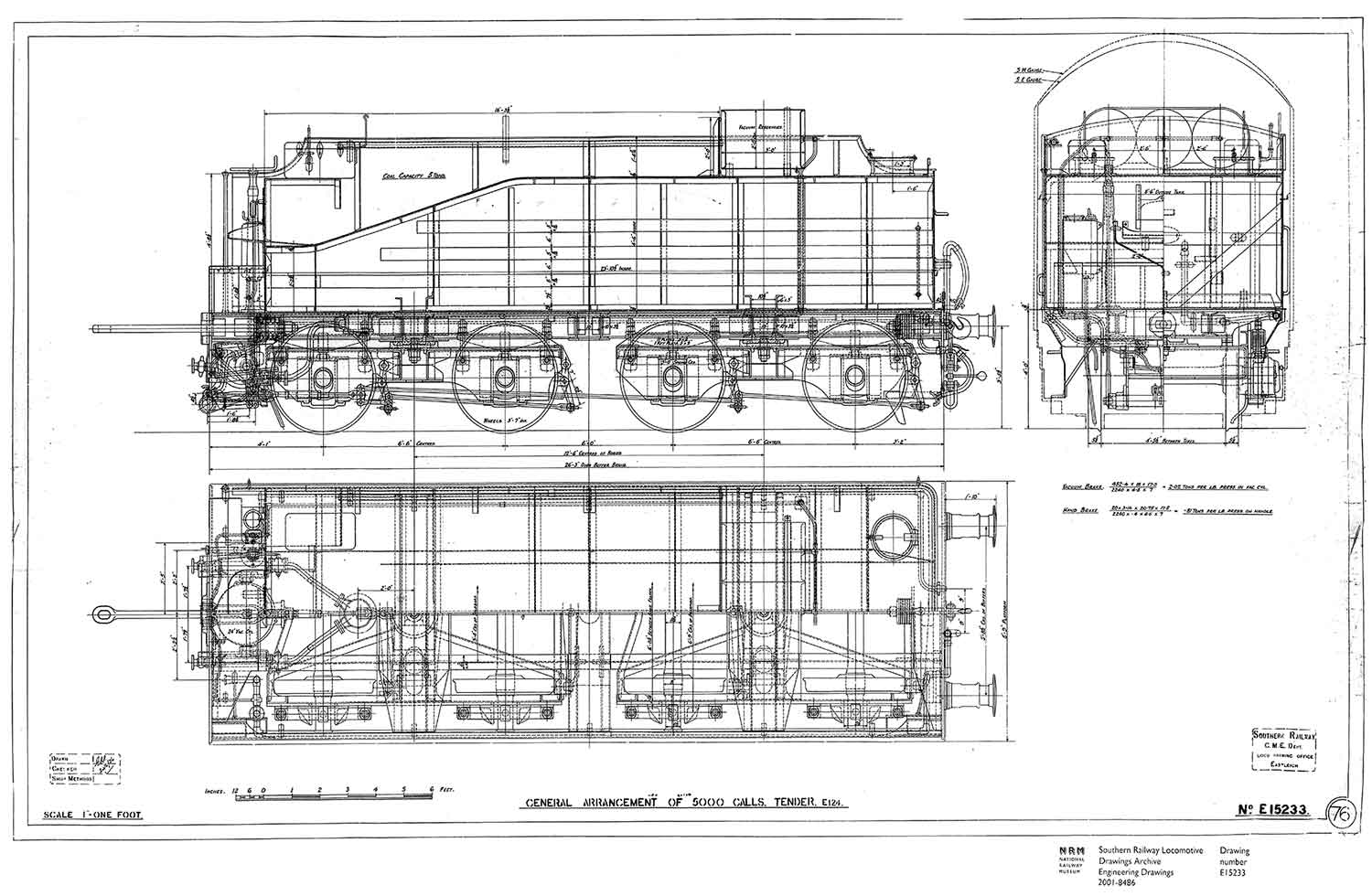
By their very nature, plans are exactly that; a stated intention of how an item should look, whether it be a general arrangement drawing of a locomotive or tender, a detailed view of the cab assembly, or even a boiler dome assembly or brake gear arrangement. With modern era locomotives and many of the last survivors of the steam era we usually have several options for visiting a preserved example, which will enable us to clarify how the details come together. Travelling the country from the North York Moors Railway to the Bluebell Railway, from the West Somerset Railway to the North Norfolk Railway, we photograph and measure from every conceivable angle (as well as a few inconceivable ones!), but when it comes to earlier steam locomotives and coaching stock there is often only the one or two examples left, and sometimes not in the best of condition.
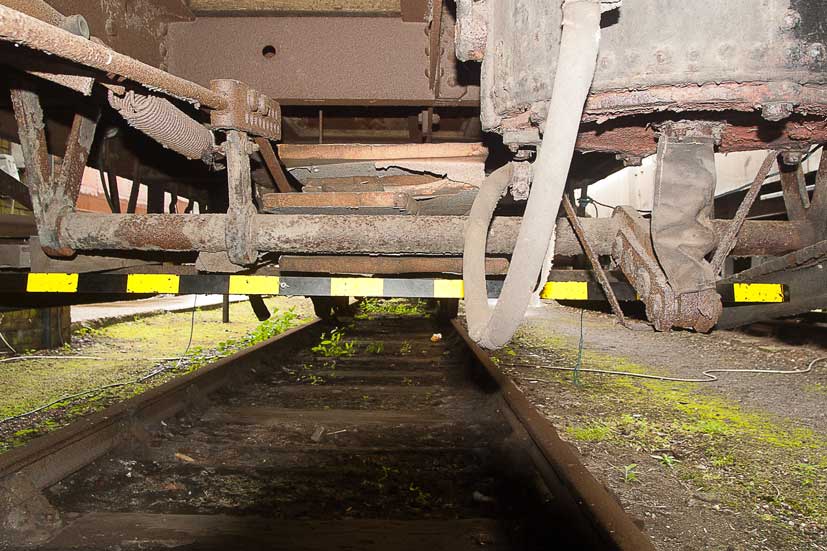
Getting beneath a carriage
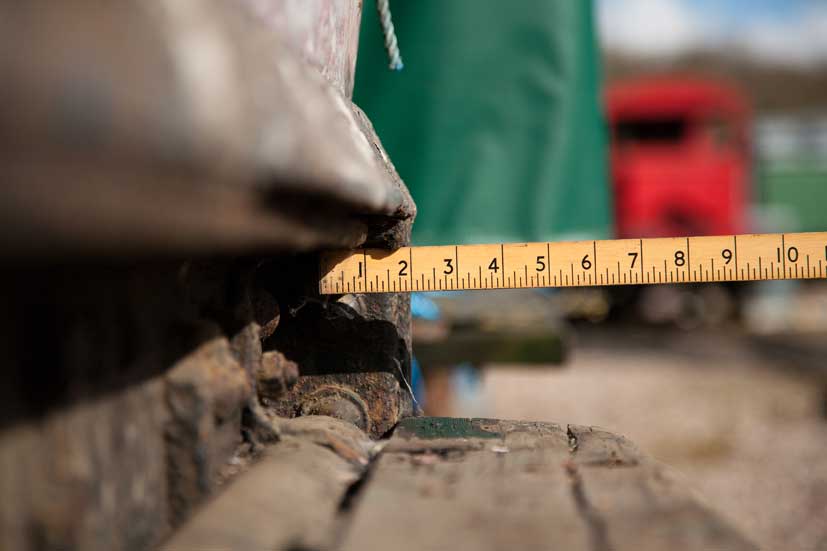
The devil's in the detail
Photographs and visits often throw up design peculiarities, those instances where a works manager will have adjusted the dimensions to make a part fit better, or to make life easier at a refit. A departmental unit may have radically altered the interior, or a colliery may have made running repairs and at preservation, parts may have been procured that come from a different locomotive works, or in the absence of plans, parts may have to be fabricated by eye. All of these can combine to confuse and confound the researcher and his design colleague and so we must turn to our other valued resource, the expert on a particular region or locomotive.

There are associations that exist to combine knowledge into one resource, such as the GER Society or SECR Society, as well as individual authors such as Bob Meanley, John Fry and Mike King who are experts in their particular subjects. I will also prevail upon experienced modellers, such as Graham Muspratt, Heather Kavanagh and Paul Bartlett, whose subject knowledge will help sort the wheat from the chaff. Of course there are more that I could go on to mention and in the fullness of time, as models come to market, we’ll do our best to acknowledge the assistance we receive along the way.
Having collated all this information into a design pack, ready to pass on to the designer, I can then work up a written history and timeline of changes which will enable us, as a team, to work out just how many versions of a locomotive, coach or wagon we can tool, along with any potential derivatives for the future. The history I can then utilise for the packaging copy, website description, magazine articles and even the odd blog or two, whilst the timeline will assist when it comes to preparing liveries and collating the range line plan for the forthcoming year.
As I mentioned earlier, I’m already working on the new models for 2017 and whilst we may add the odd item if design time permits, that range is fairly well set. Looking ahead to 2018, I’ll take into account a number of factors when drawing up a shortlist for new items. Feedback from the shows, from emails, blog posts and forums will all be considered, as will feedback from our sales team. Forthcoming anniversaries have a bearing, as does a certain amount of sales analysis based on type, region, era and traffic use and I do try to look at matching up coaching stock with locomotives, either from our existing tooling or from new. This information is then discussed within the development team, drawing upon the huge amount of experience in model railways that they possess. One-offs or niche items will also be considered if we think an item will generate interest, we’ll take a view outside of our normal selection criteria.
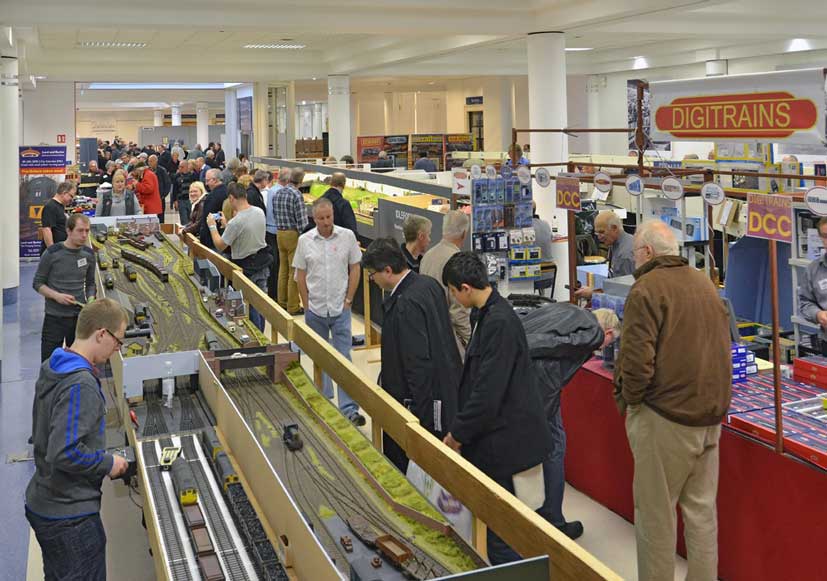
Since I’ve started, I’ve helped to staff the stand at the shows that Hornby attend, so if you’re at the Great Dorset Steam Show, The Great Electric Train Show, Warley, Glasgow or Alexandra Palace, please don’t be shy to introduce yourselves and share your thoughts on this great hobby of ours, it may well be that your area of interest will tip the balance in favour of a new model or livery!
That's it for this week - thanks to Paul for his fascinating insight, and for putting his head above the parapet! As always, let us know what you think in our Engine Shed forum and on Facebook and Twitter with #HornbyEngineShed.
Until next time, happy modelling!
The Engine Shed Team
© Hornby Hobbies Ltd. All rights reserved.