



We all have our own customs at Christmas time, but this seasonal guide focuses on traditional values and the reasons behind them, helping you spend your festive time the way they did in the good old days! Leave your modern holiday themes at the door, this is all about doing Christmas the right way!
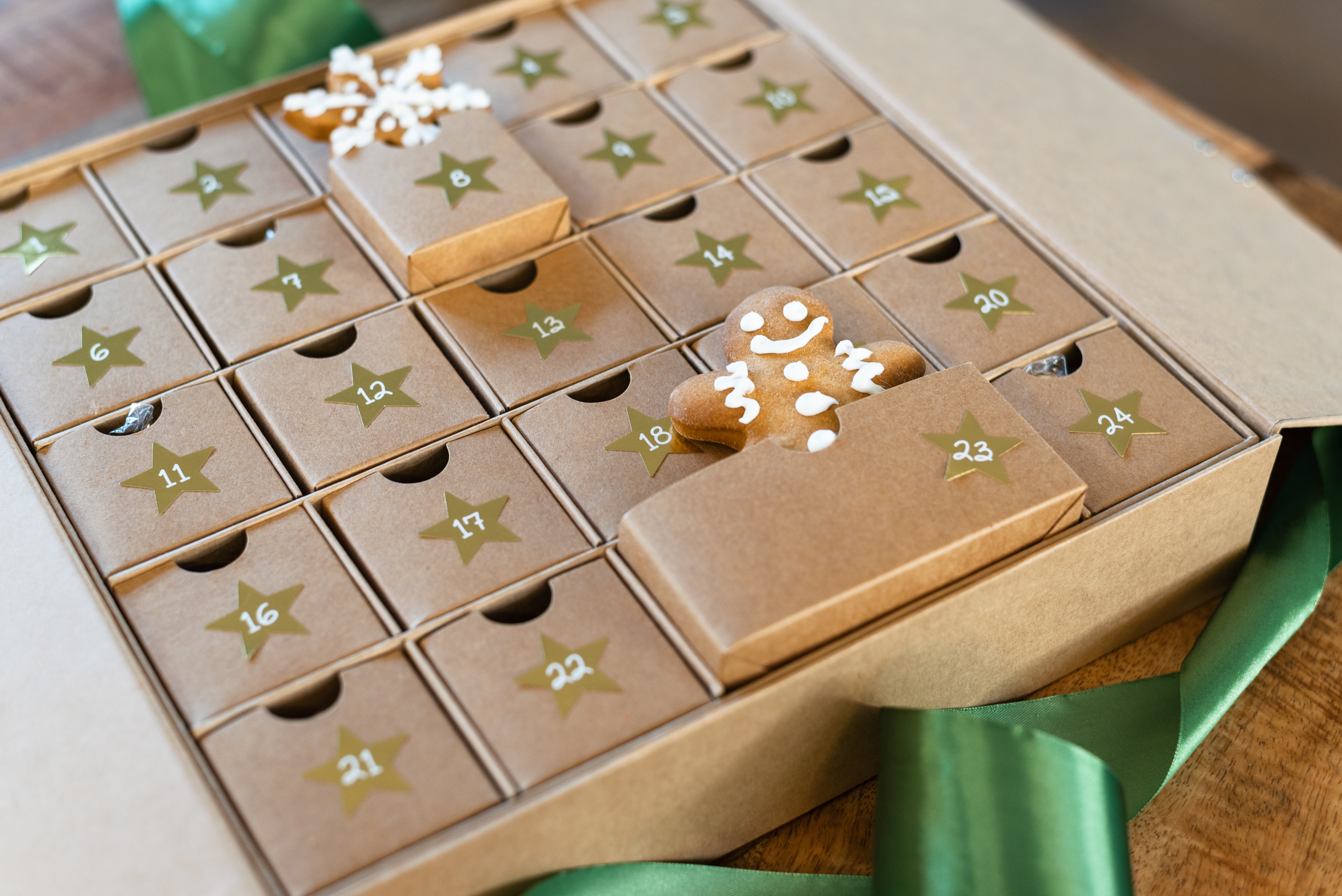
Advent is supposed to start four Sundays before Christmas, although for ease, modern customs now start on 1st December.
Advent calendars have been a way to count down the days until Christmas since the beginning of the 20th century, but chocolate versions are relatively new, with the first appearing in 1958. And now you can buy advent calendars that have all sorts of treats inside them. But the most traditional versions are the printed ones with a picture inside.
The first day of advent also marks the time when it is traditionally acceptable to put up your Christmas tree.
The idea of the Christmas tree is rooted in religious symbolism, thought to represent the birth and resurrection of Jesus. The traditional Christmas tree decorations that you place on it are supposed to represent different spiritual qualities, such as kindness, peace, love, joy and goodness.
The star on top of the tree represents the star that the wise men followed when visiting Jesus. If you prefer to put an angel on top, she represents the angel that broke the news of his birth.
Christmas trees were introduced to the UK in the 19th century. While she wasn’t the first to bring them to the country, Queen Charlotte started the traditional trend when she moved over from Germany to marry King George and brought a Christmas tree with her.
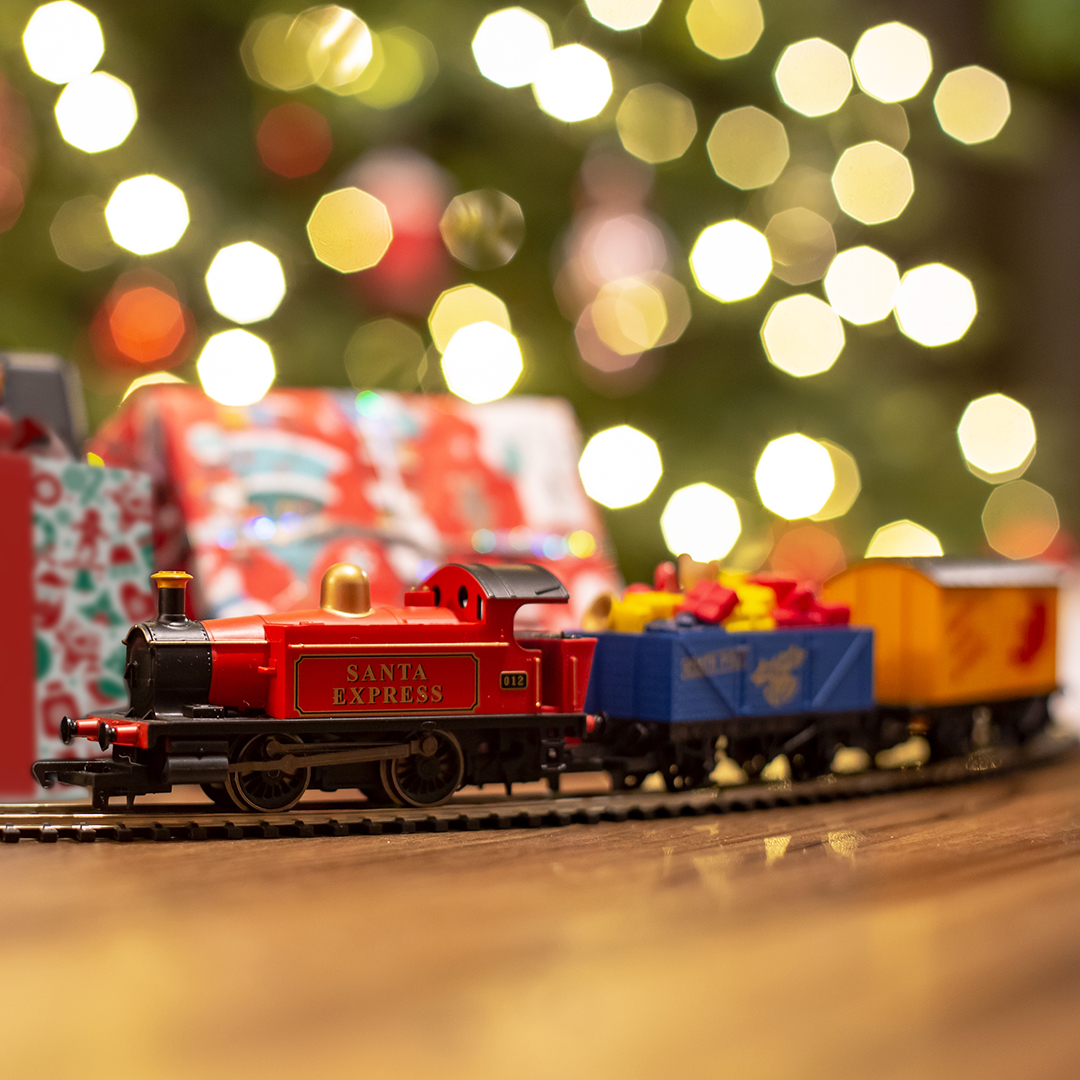
Around ten years later, the railway was introduced to the UK and people were fascinated with the technology and engineering that went into the trains that ran on them. It wasn’t long before these magnificent machines were replicated in toy form, and they were soon running around the bases of the most fashionable Christmas trees.
Another 50 years later, the Hornby story began, and so all the best trees had one of our train sets running around the base! You can replicate this tradition today with our charming Santa’s Express model. You can also add a new wagon every year, such as our Santa’s Reindeer Wagon and our annual Christmas Wagon.
Strangely, inhaling half a tin of Quality Street isn’t one of the many festive traditions on our list, although we don’t begrudge anyone who feels this is necessary! But mince pies are actually a very important one.

The first mince pies created in the 12th century were savoury rather than sweet and were rectangular, shaped like a manger, with a pastry baby Jesus on top. Seeped in symbolism, they were made of 13 ingredients, one for Jesus and one for each of his disciples. Lamb or mutton represented the shepherds, while spices were for the wise men.
The mince pie as we know it now had evolved in the late Victorian era. But many traditions remain. Did you know, for example, that the mixture should be stirred in a clockwise direction, and you should always make a wish when eating the first mince pie of the season? And you NEVER cut one with a knife.
Other traditions insist that you should eat one for every day of the 12 days of Christmas. If you miss a day, you can expect bad luck for the rest of the year.

When it comes to a traditional Christmas dinner, we can thank Charles Dickens for the idea of having a large bird in the centre of the table, surrounded by all the trimmings. Chickens weren’t chosen because people wanted to keep them for their eggs, so geese were the first poultry animal to be fattened up for a Christmas feast. Apparently, Henry VIII enjoyed a turkey one year, and by the Victorian times, this had become more popular, since a goose was rarely enough to feed a large family.

And no festive celebration is complete without a Christmas pudding. These delicacies were more of a broth to begin with, containing meat and stock and being served as a starter, rather than a dessert.
Over the years, the pottage became a little more solid, until it became plum pudding, a Christmas treat for the Victorians. They started the tradition of stir-up Sunday, the fifth Sunday before Christmas when the pudding was created. Each member of the family had to take their turn to stir the pudding mixture from east to west, bringing good luck in the coming year. They would often hide charms in the mixture, such as a silver coin for wealth or a ring to signify future marriage. If you found the thimble, you were doomed to a single life! It was also now a dessert and expected at the end of any Christmas meal.
While many like to take their Christmas tree down almost as soon as they’ve put it up, others like to hold on to the festive magic a little bit longer. The first day of Christmas is Christmas Day itself, which means the twelfth day falls on the 5th January. Leaving your decorations up any longer than this is thought to be bad luck.
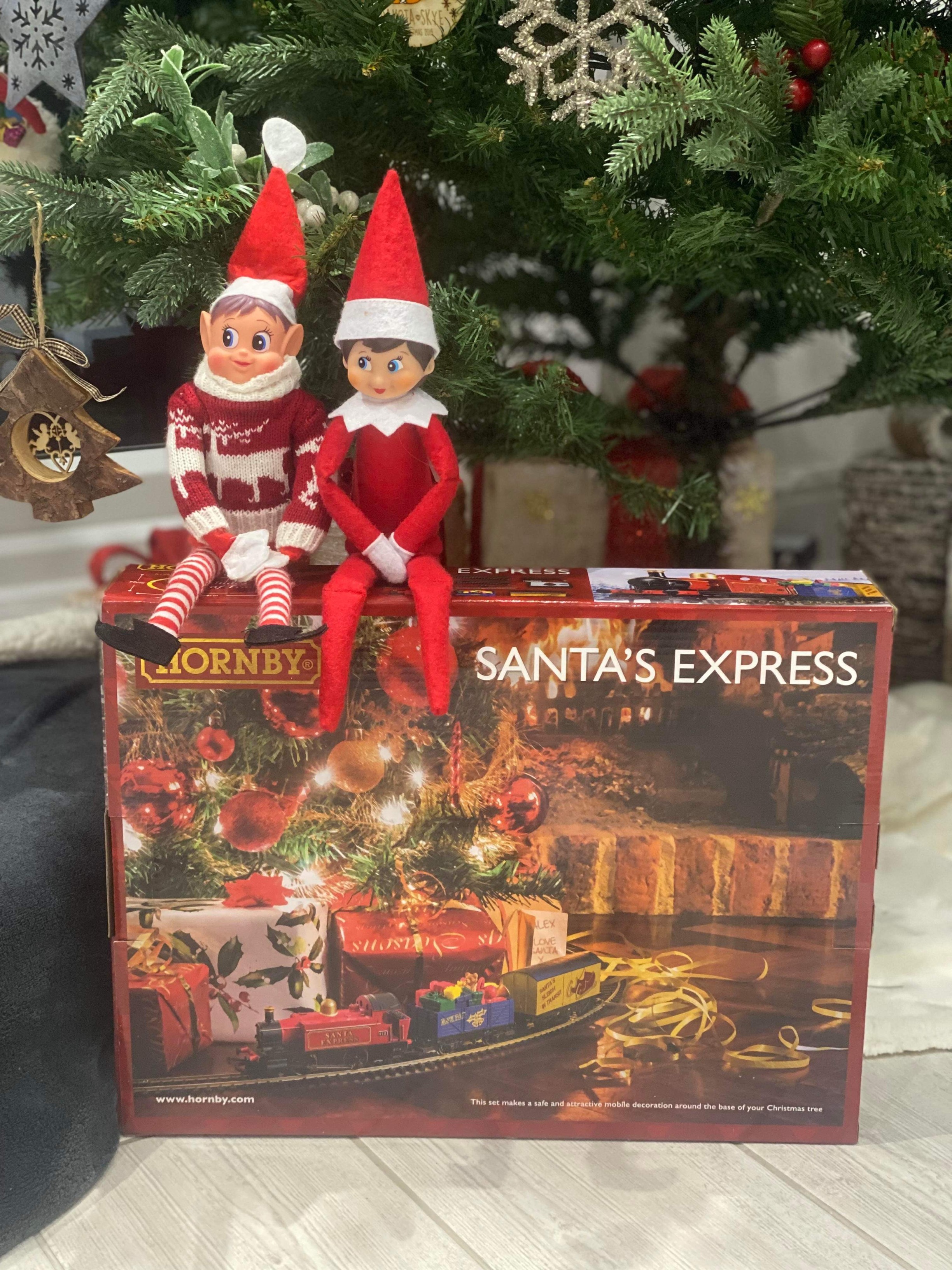
Pack your Santa’s Express away carefully – give it a quick dust off before gently placing it back in its original box if you can. And make sure you keep it in a dry place throughout the year, so it can chuff proudly around your tree the following year.
Then you can enjoy a traditional Hornby Christmas every year!