
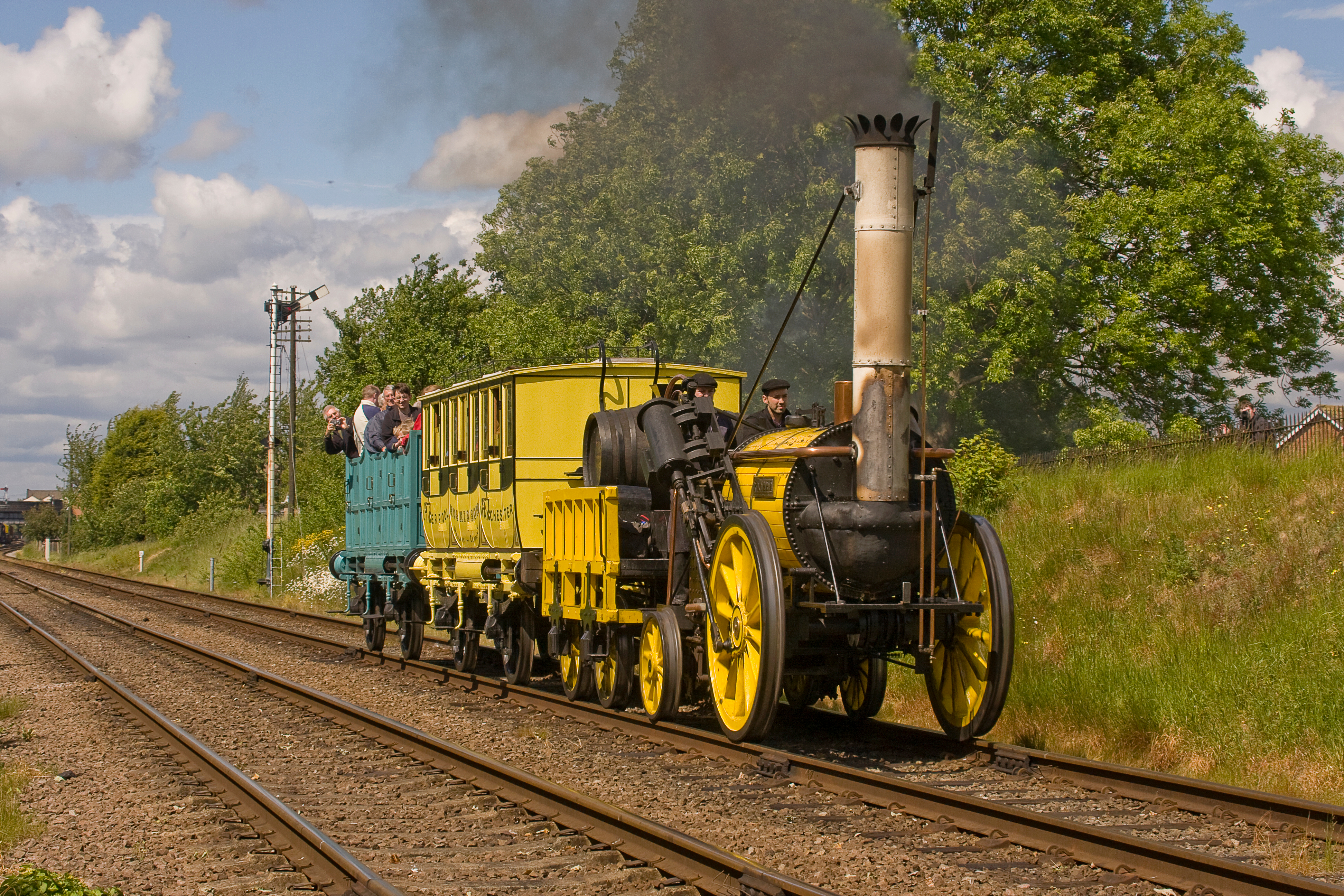
Ushering in a new era of travel for England and then the world, the first steam train to carry passengers departed from Darlington on 27th September 1825. It took 450 people 26 miles to Stockton, travelling at 15mph, while an audience of around 40,000 people watched in awe.
That was the birth of the modern railway and 200 years later, we can’t imagine life without train travel. In 2022/23, for example, 1.4 billion passengers travelled 9,864 miles between 2,578 stations, showing just how important this method of transport is.
To celebrate this incredible milestone anniversary, several railway bodies have joined forces to create Railway 200. This year-long celebration of rail travel aims to inspire, educate and honour its contribution to our lives. The team hope that more people will consider a career in the railway and more investment will come through these activities, while helping to preserve the heritage and encourage more sustainable methods of travel.
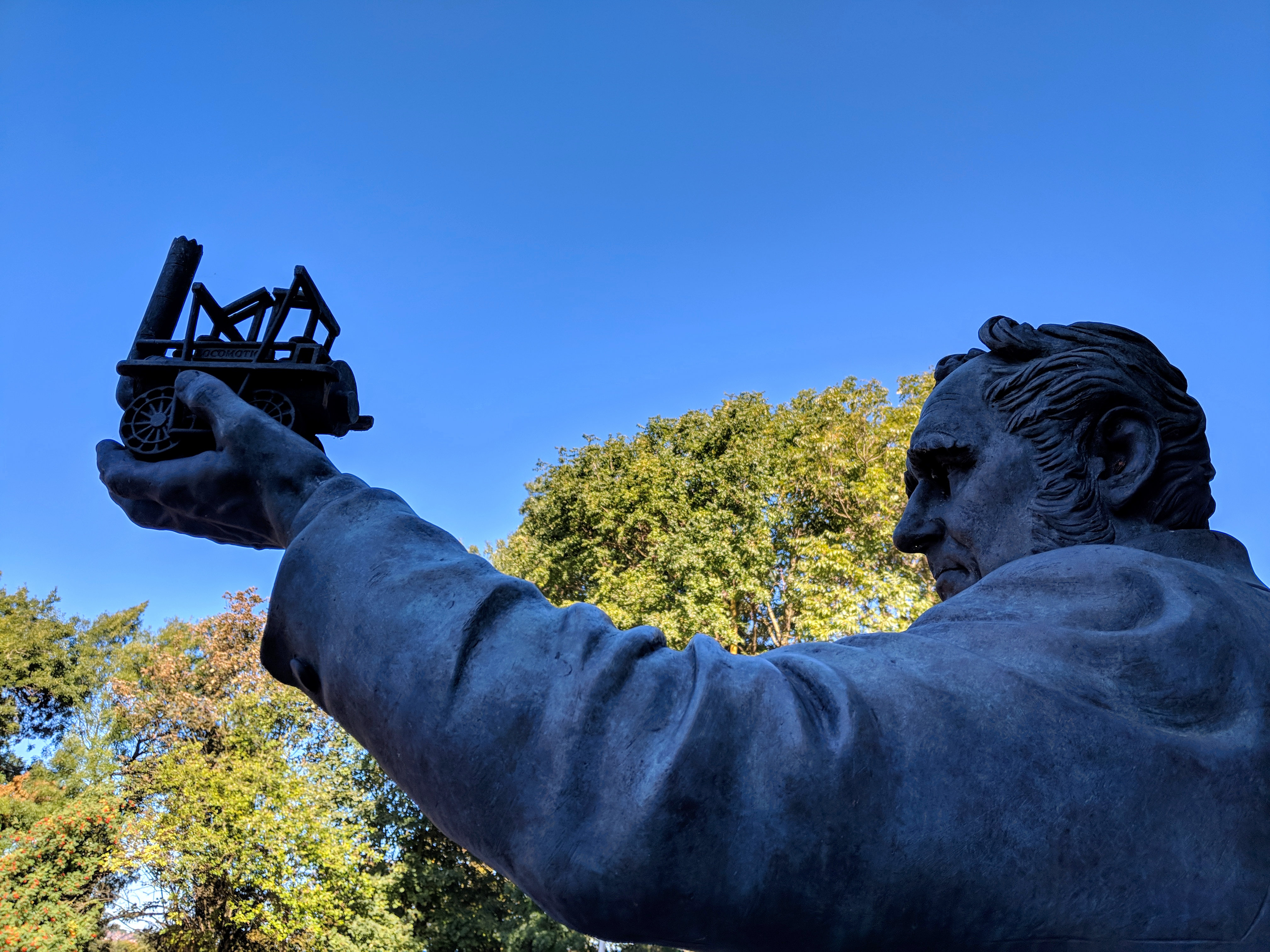
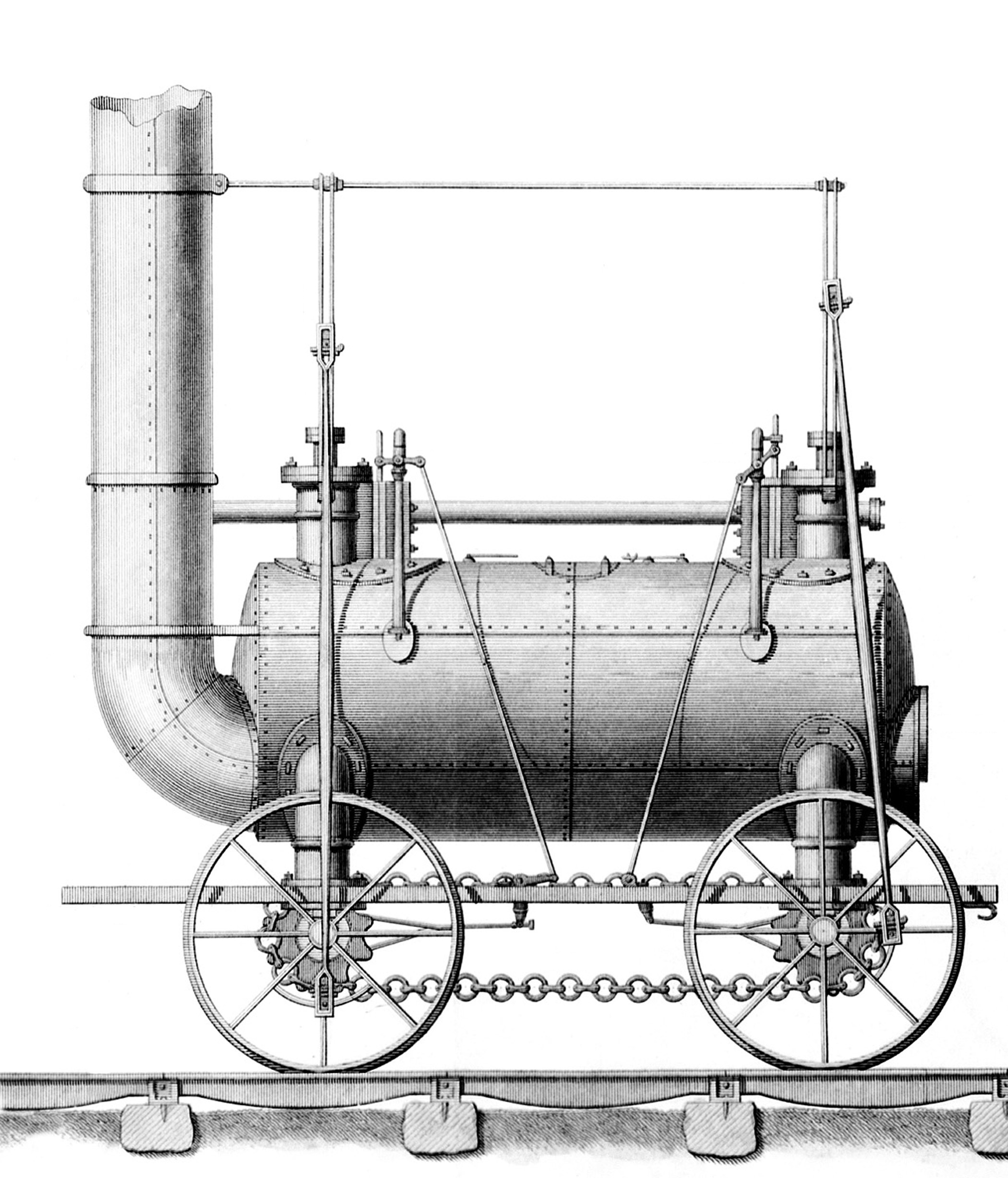
The use of rails for transport was actually old news in 1825. Coal was already transported via horse-drawn carts aided by rails for the smoothest travel. Steam was first used to power this activity in 1804, but it was not until George Stephenson opened the Stockton and Darlington Railway in 1825 that steam travel was taken seriously. In fact, this occasion was so momentous that it was became an official holiday in Darlington.
Soon after, Stephenson was contracted to build the Liverpool to Manchester line and the steam engine he built with his son, Rocket, was the first locomotive to run on it. This line was made to connect the textile factories in the big cities and the UK railway network quickly expanded.
In 1841, Dowager Queen Adelaide, Queen Victoria’s aunt, became the first royal to travel by modern steam train. She rode in a converted first-class carriage, adapted for her health requirements. Queen Victoria and Albert were then inspired to travel by train on 13th June 1842. Their royal carriage was pulled by the Firefly Class locomotive ‘Phlegethon’ and the 25-minute journey took them from Slough to Paddington Station. Isambard Kingdom Brunel, who built Paddington Station, rode in the cab of the train. Queen Victoria was delighted with her trip, and it became a very popular way for members of the royal family to travel.
Up until the 1950s, big cities adopted their own ways of keeping track of time. But with the expansion of the railways, the UK needed a standardised system to ensure punctuality. It is because of this that Greenwich Mean Time came into widespread use throughout the countries and is now recognised around the world.
The railway line between Belfast and Dublin was completed in 1852, remaining open despite the conflicts of the 20th century. In 1857, the fastest growing railway network was opened in India and in 1860, Blackpool became the number one tourist destination in the UK, thanks to its well-connected railway network.
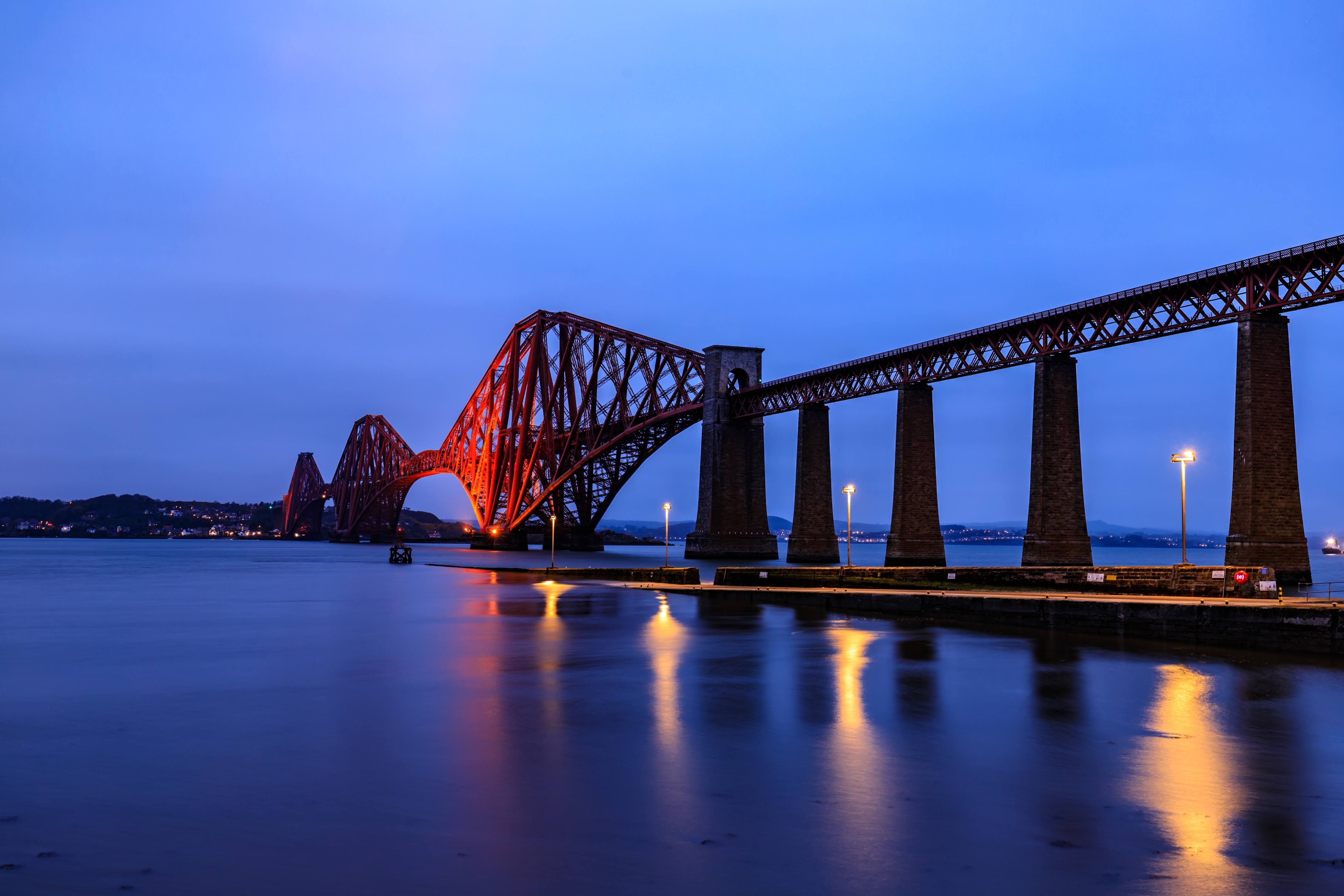
The UK's first cantilever railway bridge, Forth Bridge, was built in 1890, so that trains could run across the Firth of Forth near Edinburgh, creating a continuous East Coast railway route from London to Aberdeen. This bridge was the first major steel construction and the longest cantilever bridge in the world at the time. Today it is still the second-longest cantilever bridge, beaten only by the Pont de Quebec in Canada and is a UNESCO World Heritage site.
Gauges were finally standardised in 1892, with the last Broad Gauge engine drawing quite a crowd when it made its final journey from Paddington Station. And in the 1900s, electric commuter trains encouraged more development around London, creating new suburbs.
The railways also played their part in both the World Wars. In the First World War, they were essential for moving supplies around the country and getting soldiers to ports. In the years leading up to the Second World War, trains helped transport Jewish children to safety. They crossed the English Channel on railway ferries that allowed them to escape the Nazi regime. Many railway lines were destroyed during the Second World War, as the Axis recognised their importance in the conflict.
After the wars, diesel technology expanded, thought to be a cleaner solution to steam engines. And in the 1970s, lots of Heritage Railways popped up, designed to save engines and carriages from being scrapped or used for spares.
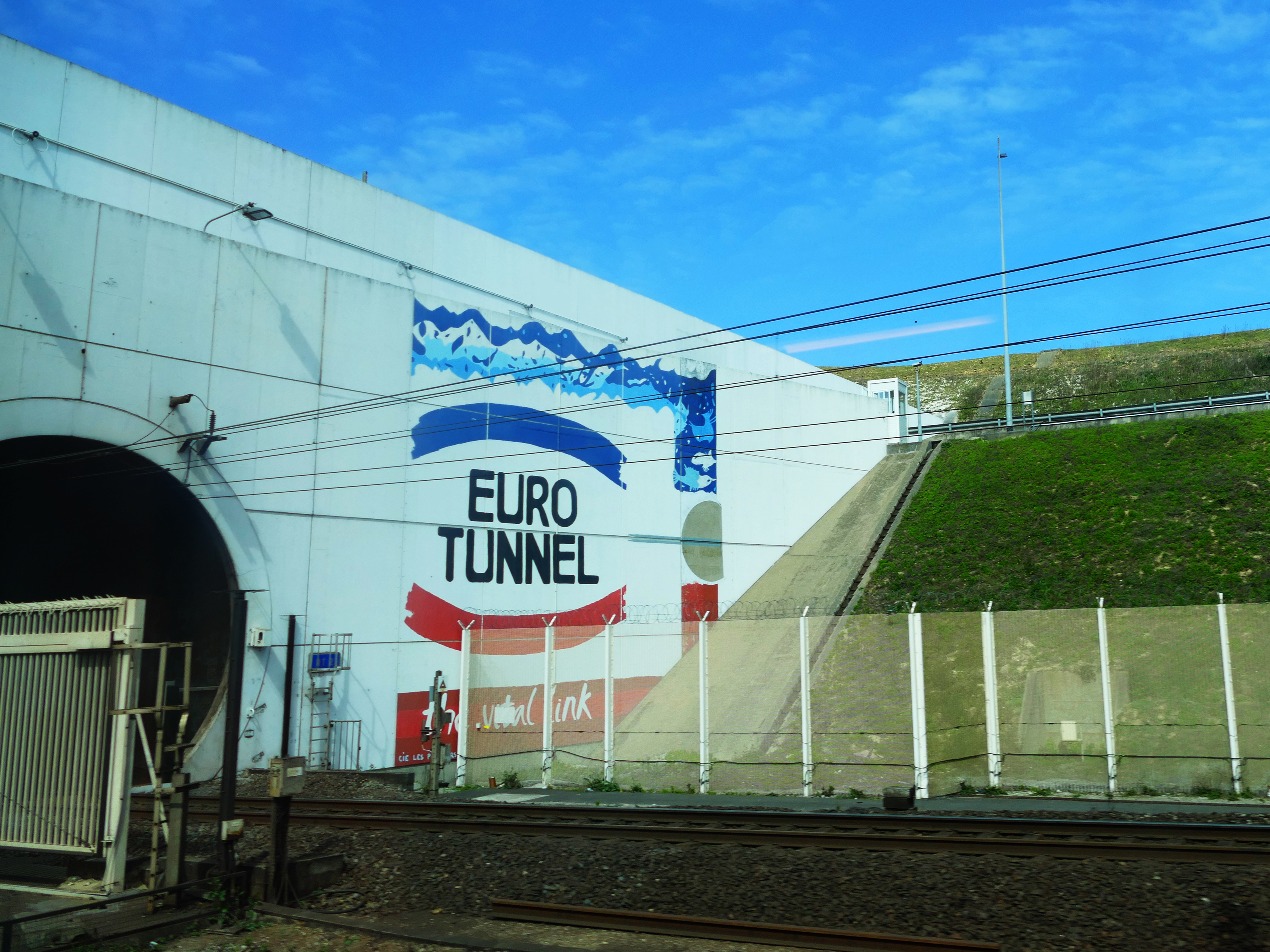
In 1994, the Channel Tunnel opened, an incredible engineering feat that connected England and France for the first time underneath the sea. The project was 150 years in the making. Nine years later, the Eurostar service set the UK train speed record, travelling at 208mph, aiming to encourage environmentally friendly travel to the continent.
Nowadays, almost every passenger train comes with WiFi and digital tickets are standard. HS2, the next stage of the high-speed railway is well underway and the railway system is on track for net zero carbon emissions by 2045 in Scotland and 2050 in England and Wales. Chiltern Railways has launched trains powered by vegetable oil (HVO) and a new era of public ownership is about to emerge.
To mark 200 years of railway travel, a four-carriage exhibition train, ‘Inspiration’, will tour the country. There will be railway talks, locomotive works open days, guided walks, galas, conferences and exhibitions too. You can find the full list of events, dates and locations here.
You can also expect discounted tickets, Railway 200 merchandise, an art competition and a commemorative coin.
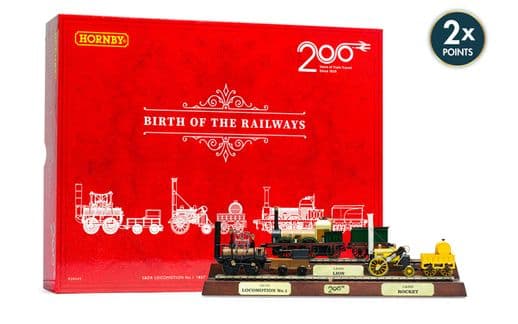
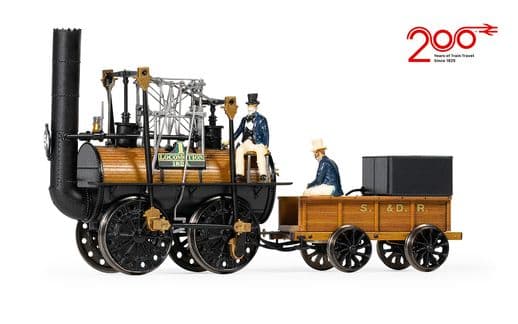
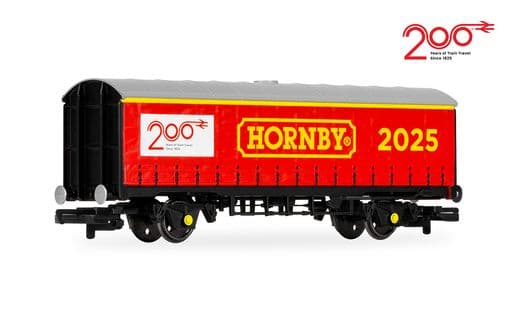
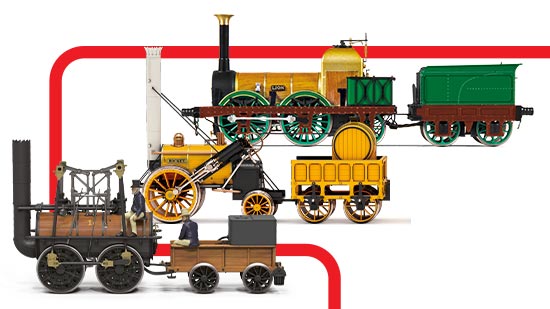
And of course, we’ll be getting involved at Hornby too! We’ve announced some special edition Railway 200 models so you can forever mark this event on your model railways. Our Class 395 models will feature their new commemorative liveries, which you can run alongside our Birth of the Railways Train Pack, our 200th Anniversary Locomotion No.1, or our Railway 200 PVA Wagon. And there might be a few other surprise releases too!
We will be taking part in lots of other events this year too. Keep an eye on our website to make sure you don’t miss anything!