
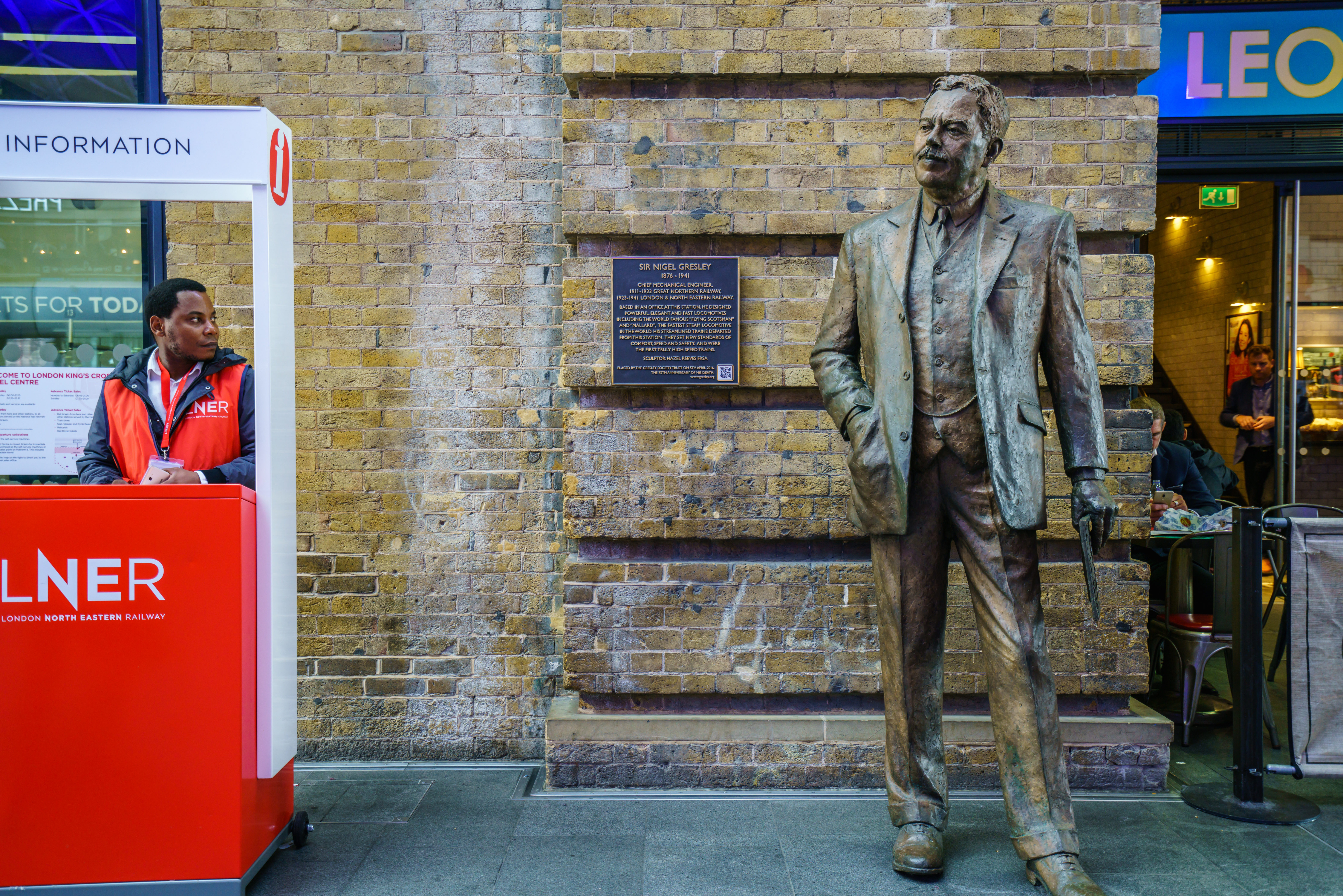
Friday 19th June 2026 is a key date in the diary for model railway enthusiasts, as it marks 150 years since the birth of Sir Nigel Gresley.
The genius behind iconic locomotives like Mallard and Flying Scotsman has left a legacy that is still evident in the railway world today. As one of Britain’s most influential railway engineers, he is known for designing elegant, powerful and innovative steam locomotives that helped to define the golden age of British steam express.
Born on 19th June 1876, Sir Herbert Nigel Gresley started his railway career in 1905 as a Carriage and Wagon Superintendent on the Great Northern Railway, designing modern, stylish carriages that impressed senior members of the team. In 1911, he was promoted to Locomotive Engineer, despite still being relatively young in his career. This role saw him in charge of all the running, repair and maintenance of the current rolling stock, as well as the design of new vehicles.
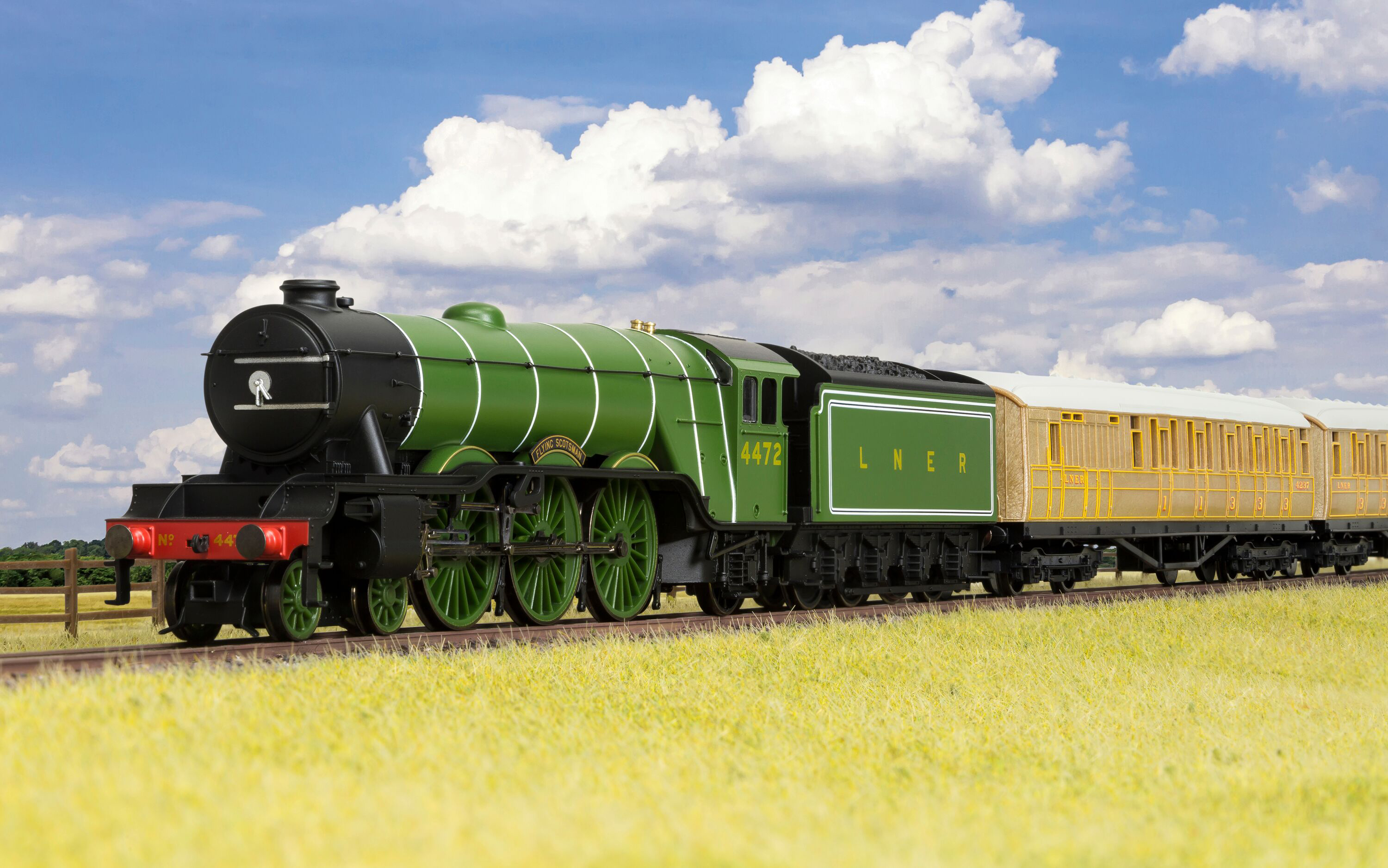
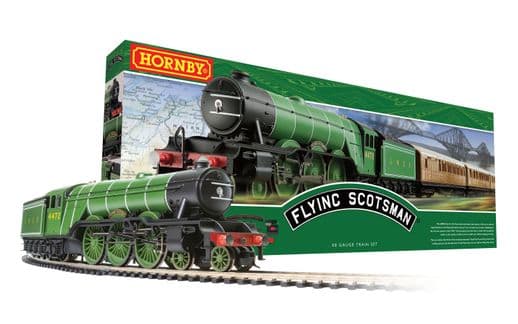
When the Great Northern Railway merged into the London and North Eastern Railway in 1923, Gresley’s role was redefined as the Chief Mechanical Engineer. In the same year, Flying Scotsman rolled out of Doncaster Works for the first time.
The Most Famous Locomotive in the World weighed 97 tonnes and was 70ft in length. It was the first locomotive officially recorded to reach 100mph and the first to travel around the world.
In 1989, it set the world record for a non-stop run in a steam locomotive with a 422-mile trip, a title it still holds today. Flying Scotsman was one of a batch of A1 Class locomotives, all of which were praised for their power and innovative design. But the locomotive didn’t receive its name until 1924, when it was named after the daily London to Edinburgh rail service.
It was selected to appear at the British Empire Exhibition, which propelled the locomotive into the spotlight. From there, it became a publicity machine for the LNER, cementing its place as the most famous locomotive to ever run the rails.
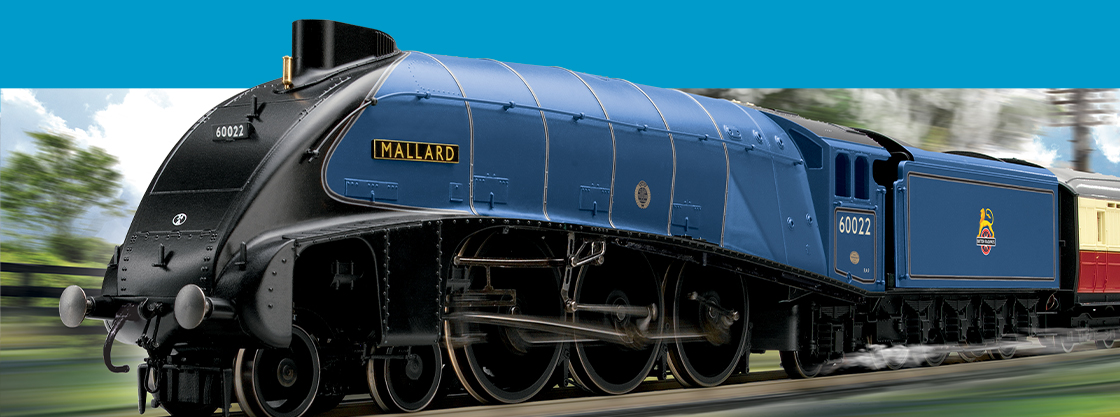
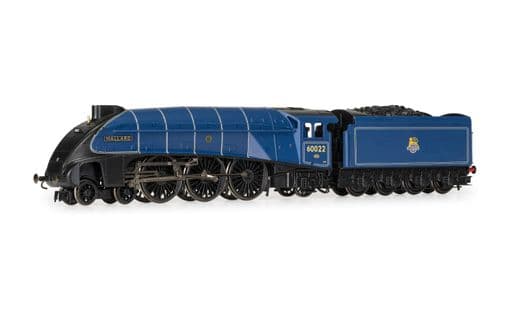
In 1936, Nigel Gresley was honoured as president of the Institution of Mechanical Engineers. Then came LNER Class A4 No.4468 Mallard, an aerodynamic, streamlined design, with a wedge-shaped nose. In 1938, it broke the official world speed record for a steam locomotive at 126mph. No other steam locomotive has ever beaten this record.
Both Flying Scotsman and Mallard are known as ‘Pacifics’, characterised by their wheel arrangement. With four wheels at the front, six in the middle, and two at the back, these powerful machines were stable on curves and able to pull heavier loads. The design was refined over 13 years, with several variants released.
Other notable successes included the P2s, built to navigate the difficult terrain between Aberdeen and Edinburgh, and the experimental W1 No.10000, which was a one-off locomotive with a high-pressure water-tube boiler.
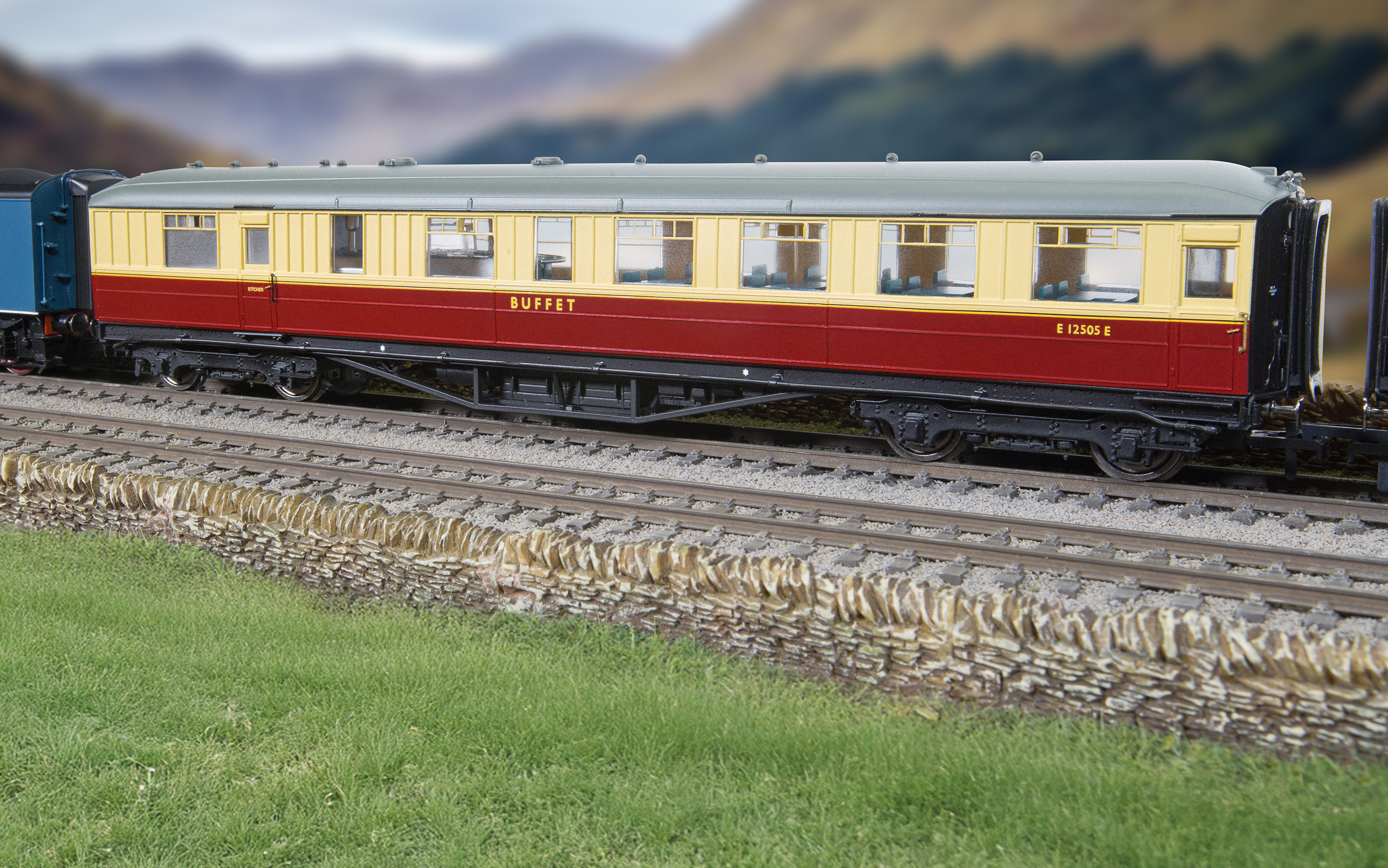
And his legacy extended into coaches too – his Gresley teak coaches were an instantly recognisable visual icon of the LNER railway of the time.
There have been many great railway engineers over the years, but few have had the same impact as Sir Nigel Gresley. This makes him a great subject to focus on for any model railway layout or collection.
Flying Scotsman is an obvious first set choice for any new railway modeller, which means that Sir Nigel Gresley is a part of most people’s model railway journey right from the start. But we always have a great range of highly detailed replica models dedicated to this icon.
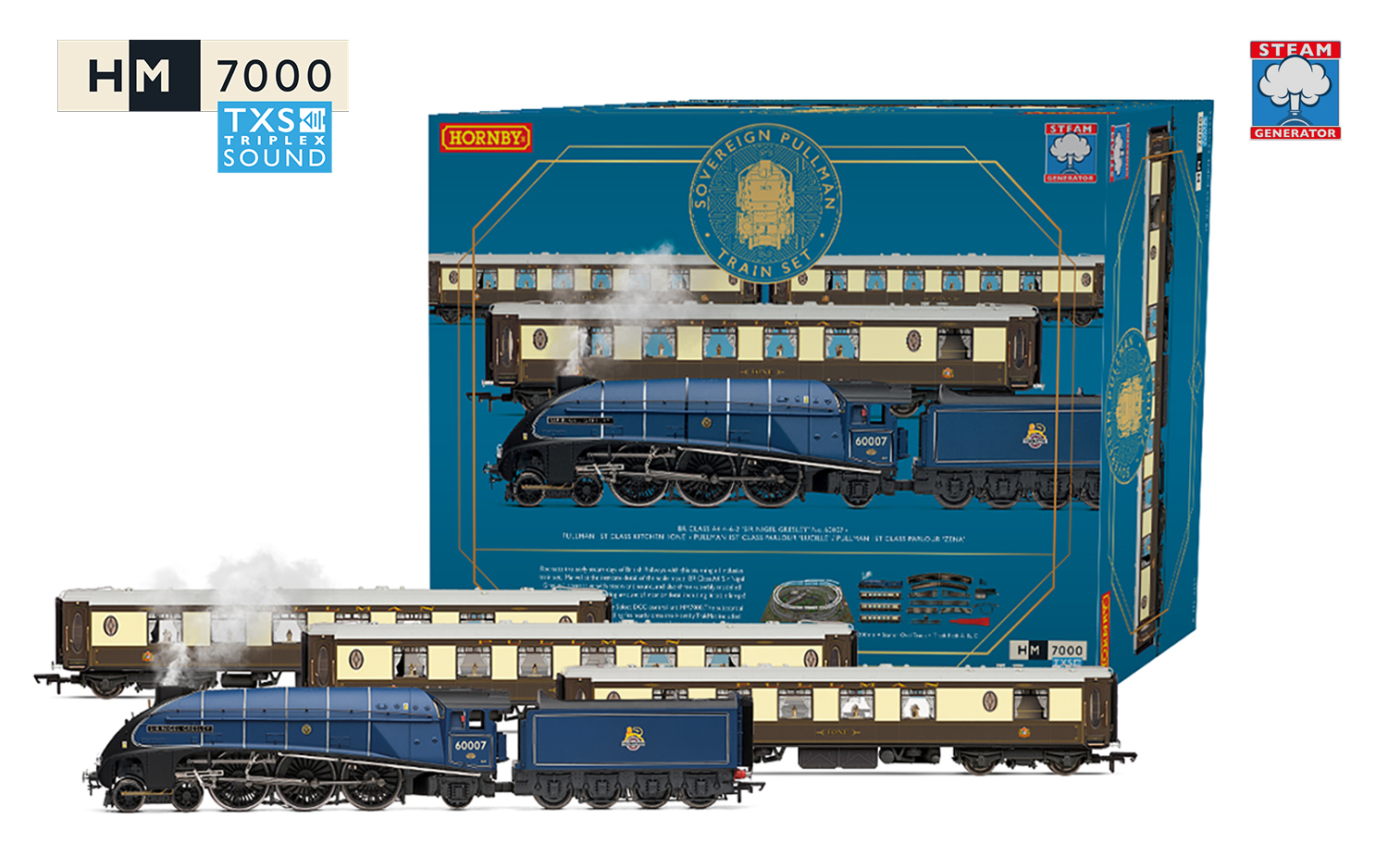
If you’re looking to create a new model railway layout in Sir Nigel Gresley’s honour in his 150th anniversary year, our Sovereign Pullman Train Set is the perfect commemorative piece. Due in stock this autumn, it is a must-have item for any enthusiast that appreciates fine detailing and high-tech modelling.
A century and a half after his birth, and more than 75 years after his death, Gresley’s locomotives are still admired – not just for their engineering, but for their beauty, personality, and position in British railway culture.