Do you remember your first Hornby model railway? We’ve released some incredible models over the years, many of which are now considered collector classics and are selling for more than their original RRP.
Hornby has been at the forefront of model railway technology since 1920. We’ve experimented with technology, engineering and design to bring joy to modellers, with some of our more unusual offerings becoming some of the most collectable.
Come with us on a nostalgic journey as we discover some of the most iconic classic Hornby models. Do you have any of these in your collection?
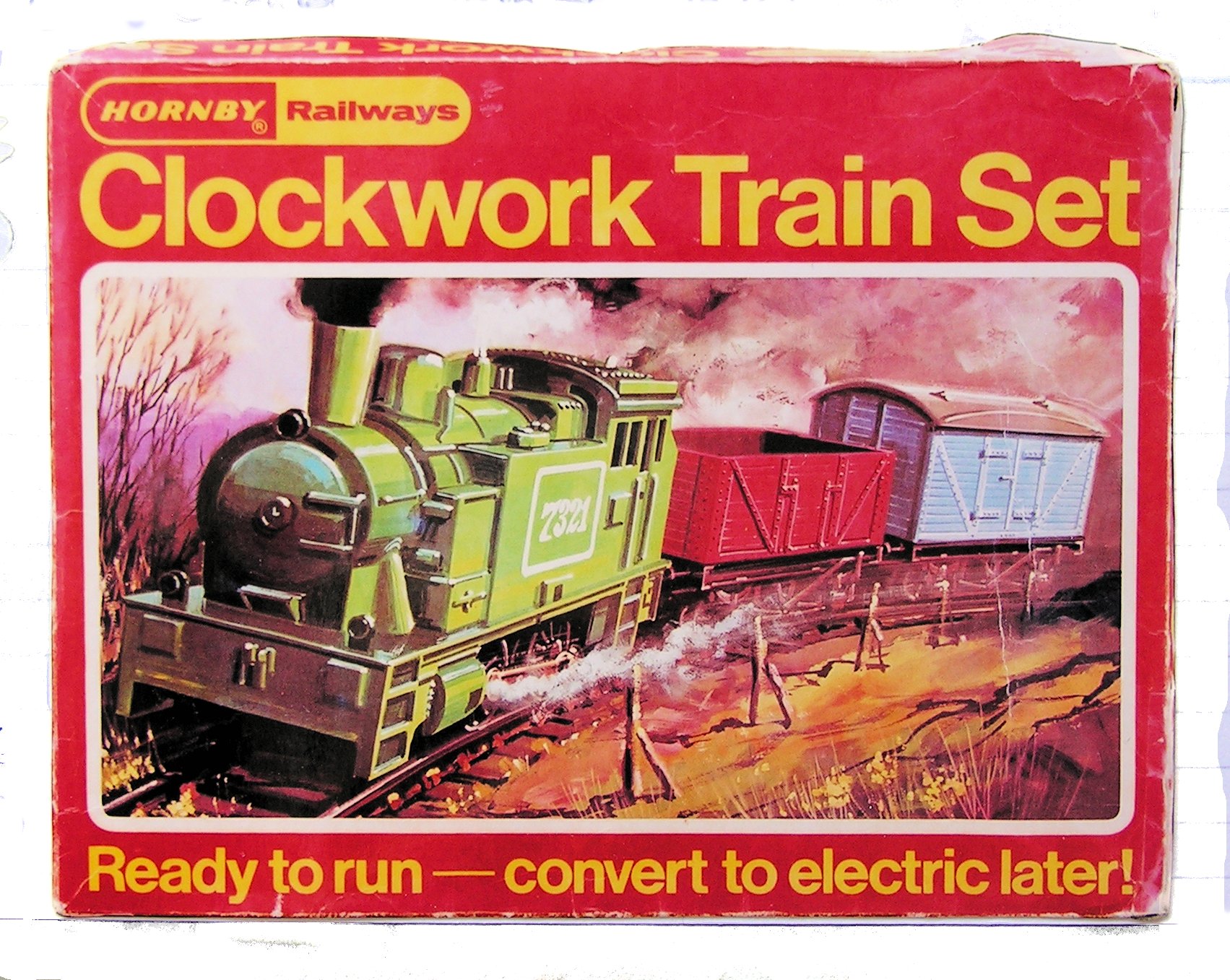
Frank Hornby introduced the first Hornby clockwork trains in 1920, as part of his budding Meccano business. These 0-gauge designs started a hobbyist frenzy. The original 0-4-0 locomotive was made up of Meccano parts, so customers could take the model apart and put it back together, and it was available in GNR red, GNR green or LNWR black
This style of train set didn’t last long, with Hornby choosing to focus the hobby on building out railway scenes rather than assembling models. But the clockwork mechanism was a hit – the user would turn the key on the side on the side of the locomotive in a clockwise direction which would then propel the toy forwards.
In the late 1930s, through to the beginning of the war, Hornby models started to employ electric technology, leading to innovations in design and realism in scale.
The stand-out model of this time was the 4-6-2 LMS Lined Maroon ‘Princess Elizabeth’ No.6201. It was based on the real-life steam locomotive which, on 16th November 1936, made a non-stop 401-mile run from London to Glasgow doing it again the following day in the opposite direction.
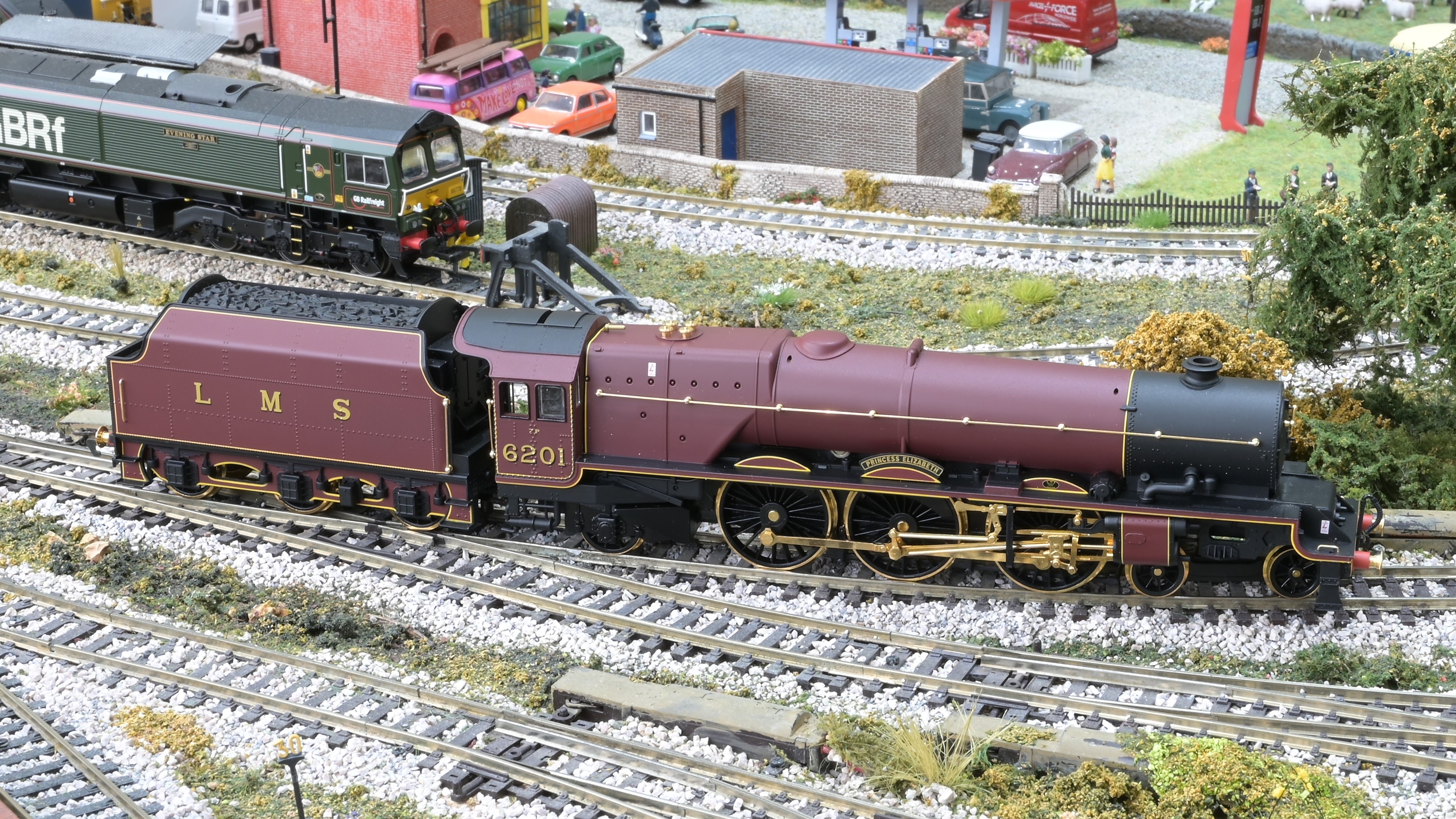
Meanwhile, the 0 gauge, 20V model version is fetching more than £1,500 on auction sites. When it was released in 1937, it was the biggest model in the range and one of the last 0-gauge designs to have such a positive impact for Hornby. It was the most detailed model made at the time, with six drive wheels, a tapered boiler and oval buffers, just like the real thing, and it came in a wooden presentation box.
While the war put a stop to production, Hornby did re-release this model in 1955, under the name Tri-ang Railways. And there have been various reiterations since. But the original 0-gauge design is the one that collectors covet most.
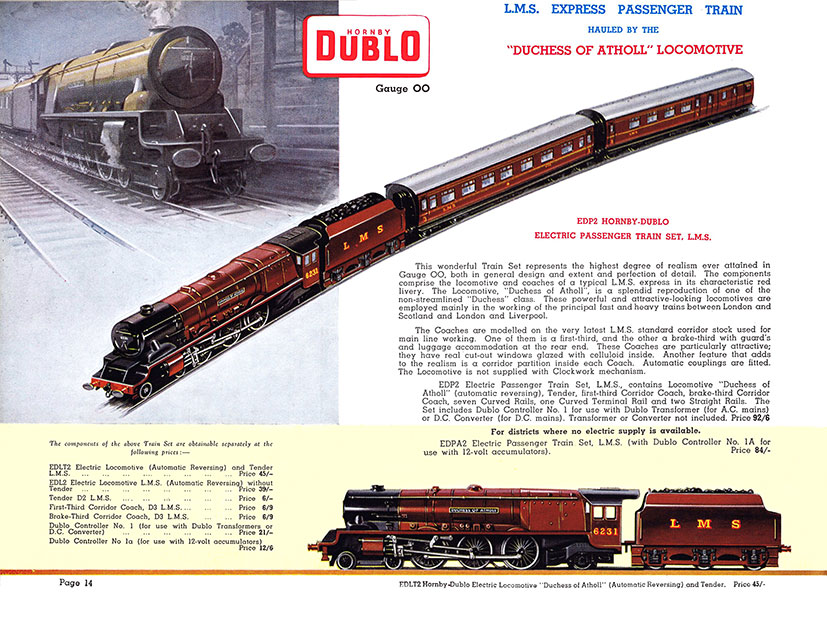
This model was announced before the war, but production wasn’t completed until almost a decade later, when the Hornby factory was finally able to get back up and running. That makes it the most eagerly awaited model in history!
This early Dublo model was well worth the wait. It was advertised as the most realistic model ever made in 00 gauge and the coaches had real cut-out windows glazed with celluloid inside. These Hornby electric trains had metal bodies with moulded plastic tender tops, and the sets were made up of the 4-6-2 locomotive, an LMS first and third-class corridor coach, an LMS first class coach and an oval of track.
The real train was impressive too, designed by William Stanier in 1937. Just like the Princess Elizabeth before it, it set a new speed record for steam on British railways, reaching 114mph. It took an obscene amount of coal and water to run this steam engine, but her power and strength made her economically worth it.
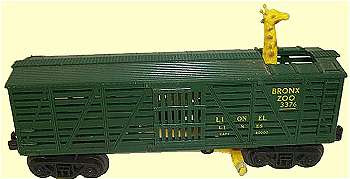
Originally a Tri-ang model from 1963, it was a very popular design from the then market-leader of model railways. It featured a bright yellow wagon with a yellow giraffe head poking out of the top that ducked when the wagon approached tunnels or bridges.
When Tri-ang and Meccano merged in 1964, the railway system became known as Tri-ang Hornby and the Giraffe Car remained in production until 1971. There were various versions including one with a brown wagon with a white giraffe and one with an orange wagon with a yellow giraffe. But most had the yellow wagon and yellow giraffe combination.
The giraffe was referred to Georgie or Georgina, depending on which catalogue you read. And the box didn’t have a space for the left ear, so it was often broken off during delivery, making two-eared versions very rare and even more collectable.
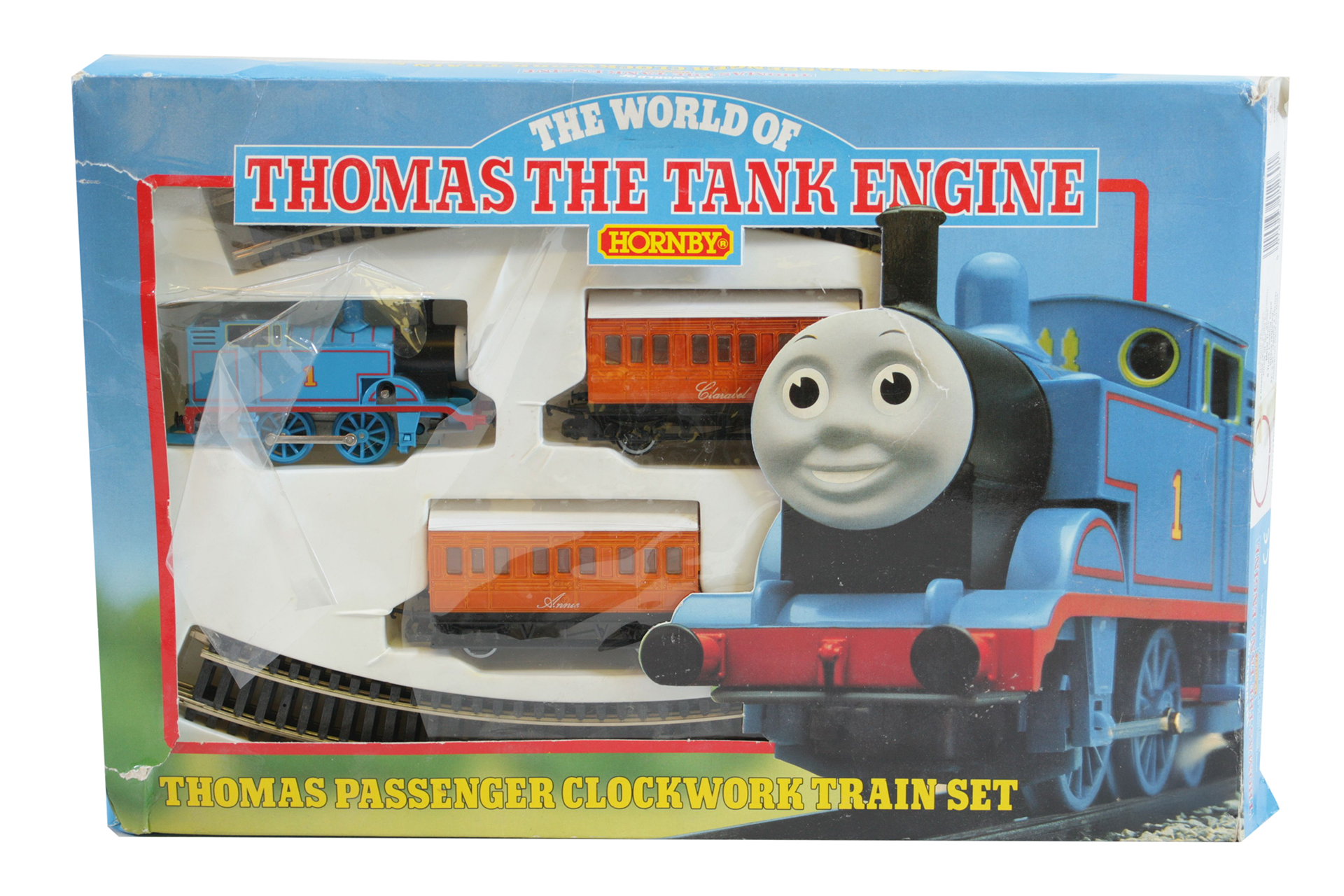
Released to coincide with the new TV series in the 1980s, the first Thomas the Tank Engine train set from Hornby is now a highly sought-after collector’s item. This clockwork train set included the little blue locomotive, Annie and Clarabel wagons and a circle of track.
This marked the beginning of the Hornby Thomas and Friends collaboration, which went on to see more technically advanced and faithful representations of the TV trains. However, the rarity of this model and its historical significance means that this first set can now fetch a few hundred pounds at auction.
This 2000 release is widely regarding as the locomotive that turned the company’s fortunes around. It was proof that manufacturing in China wouldn’t just be a good move to save money but also provided superior quality.
With a five-pole skew-wound motor, sprung buffers and detailed cab interior, this was a popular locomotive, and the first of many Merchant Navy designs. The fine detailing stood out too, with blackened finish handrails and wheels and etched brass valve gear.
The first Merchant Navy Class designs from 2000 are now highly prized collector items.
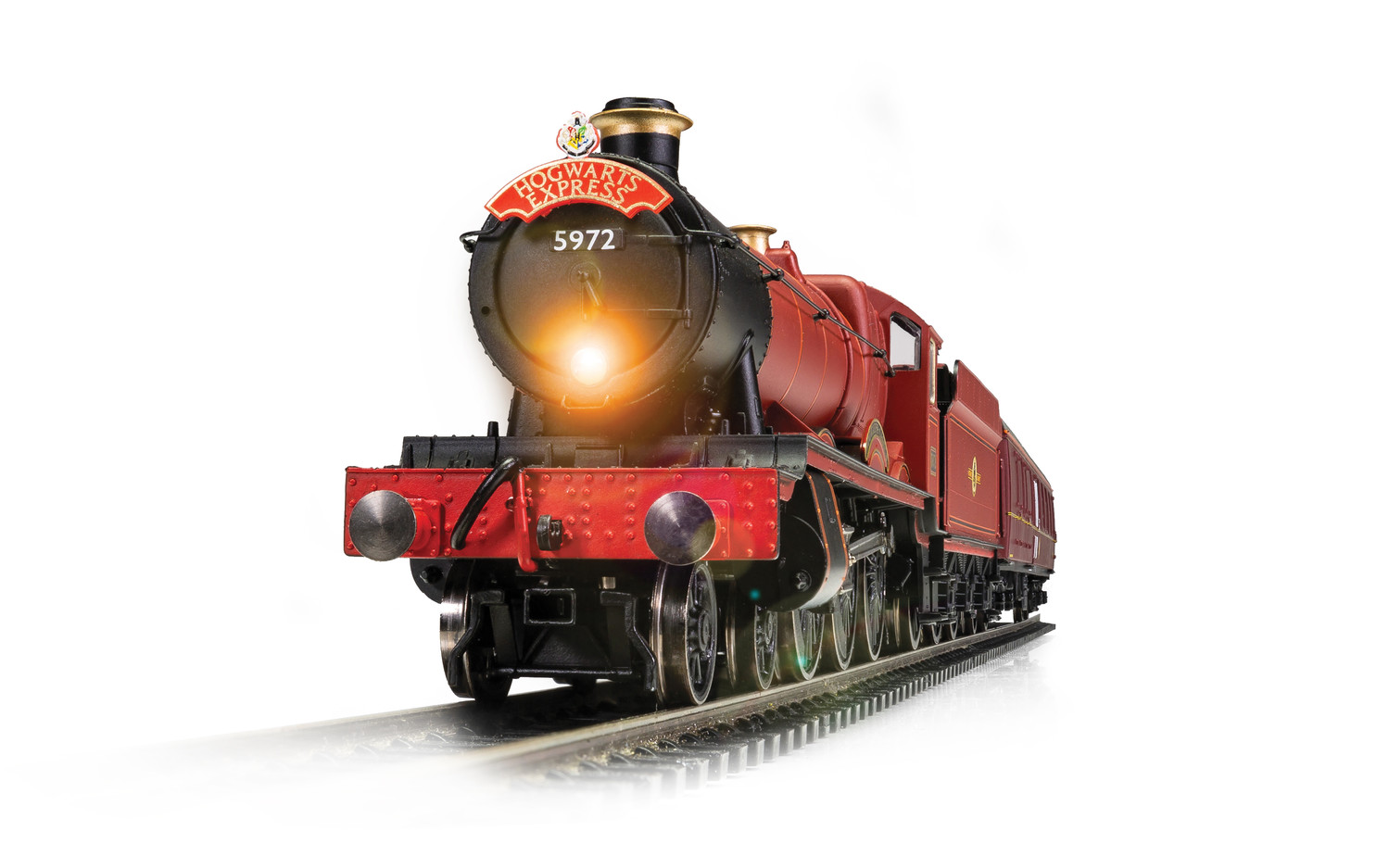
Released shortly after the Harry Potter and the Philosopher’s Stone film, this was a flagship product for Hornby for many years. The film version of the Hogwarts Express was a GWR Hall Class locomotive, but the closest Hornby had in the range at the time was a Castle Class locomotive, so in the interests of speed, the first model version was made from this tooling.
The train set came with a BR Mk1 CK Composite Corridor Coach and a BR Mk1 BCK Brake Composite Corridor Coach, an oval of track with a siding, a buffer stop, Hogsmeade Station Halt, a train controller and a TrakMat. Later versions corrected the locomotive type and added working lights and DCC control.
The enduring popularity of the franchise helped boost sales of this model. The train set was last featured in a Hornby catalogue in 2022.
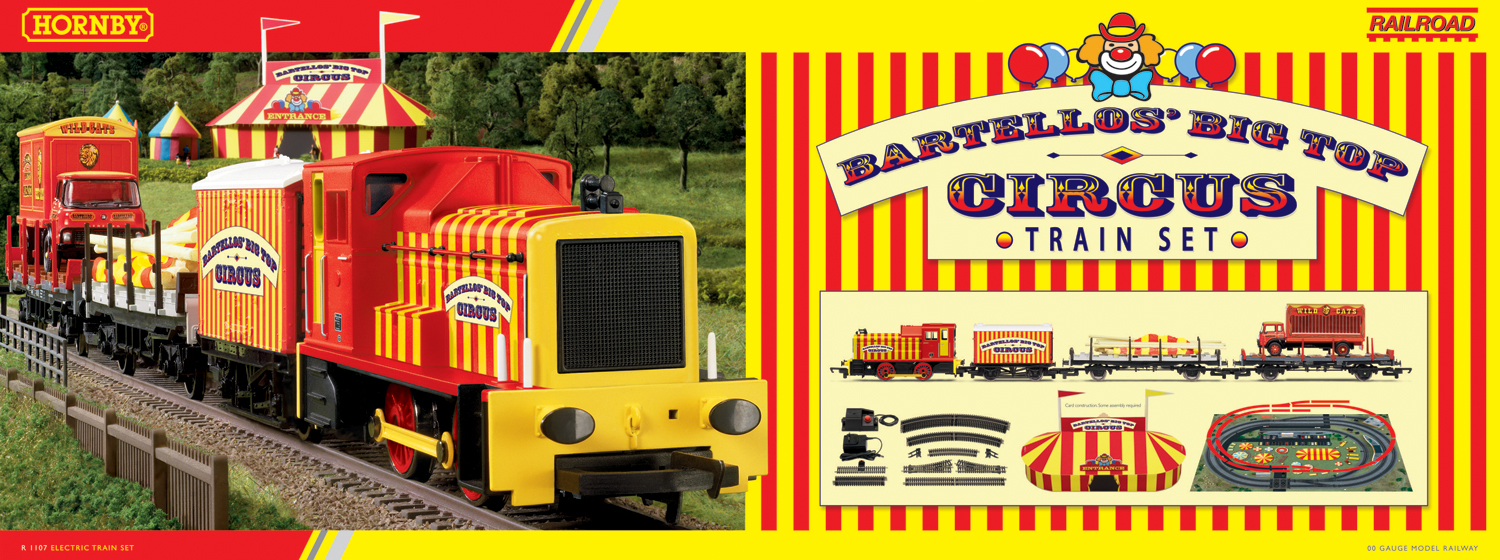
This vibrant travelling circus train set stood out in the 2008 catalogue with its bright, whimsical theme. It included an 0-4-0 Class 06 diesel locomotive in a red and yellow livery, a closed van, two flatbed wagons, an oval of track, two track packs, a controller, MidiMat and even a card kit to assemble as a circus tent.
Alongside the set twelve Bartellos’ circus die-cast vehicles in 00 scale were produced. The fun design appealed to younger modellers and those wanting to add something different to their collection. The production run was short, adding to its collectability.
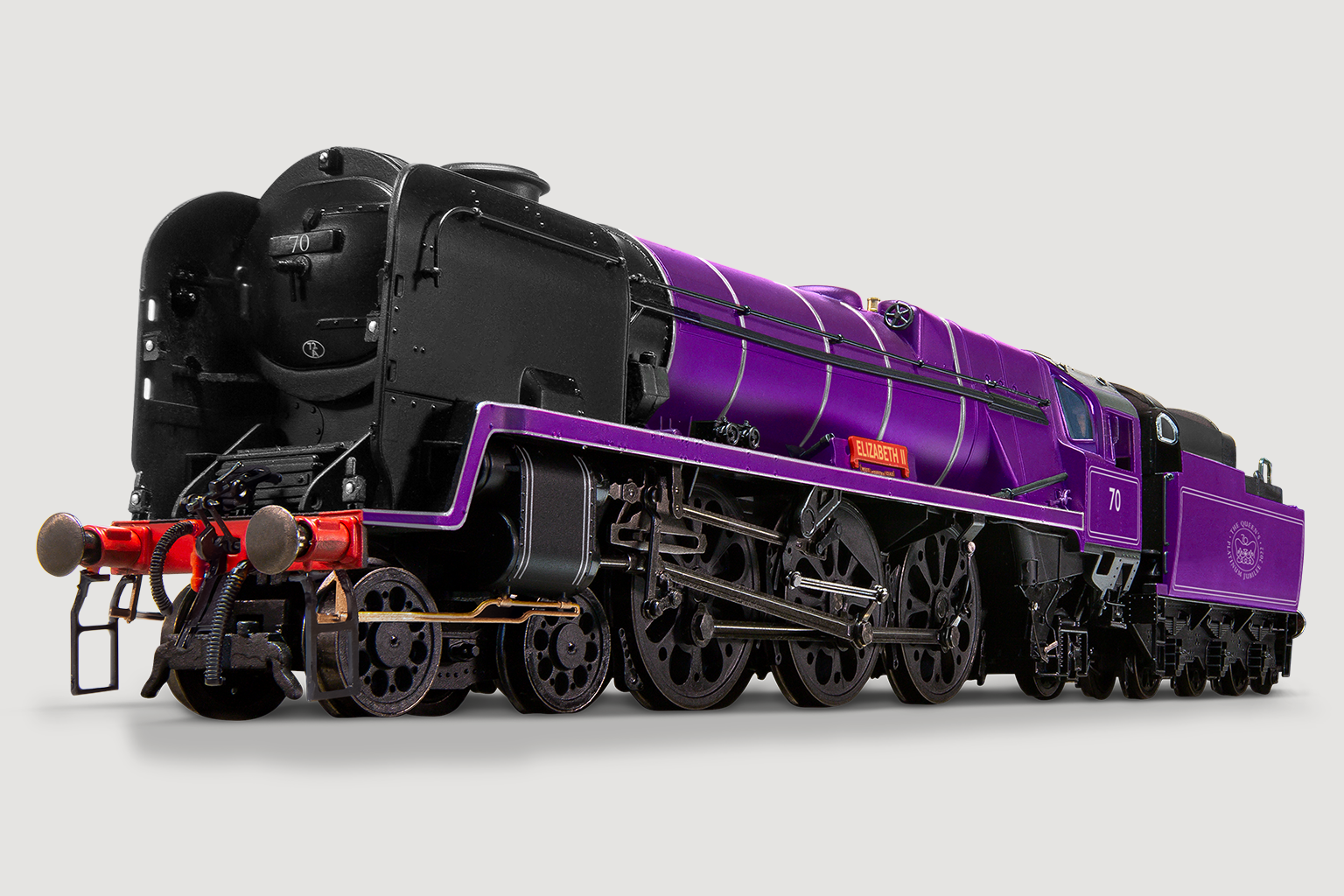
To commemorate Her Majesty’s Platinum Jubilee in 2022, the Severn Valley Railway repainted SR West Country Class 34027 in royal purple and renamed it No. 70 ‘Elizabeth II’. Hornby followed suit with a limited-edition OO gauge model that sold out in record time.
This OO gauge model featured a five pole skew wound motor and a 4-6-2 wheel configuration. A portion of the proceeds went to The Patron’s Fund. This is still one of the most searched Hornby models online.
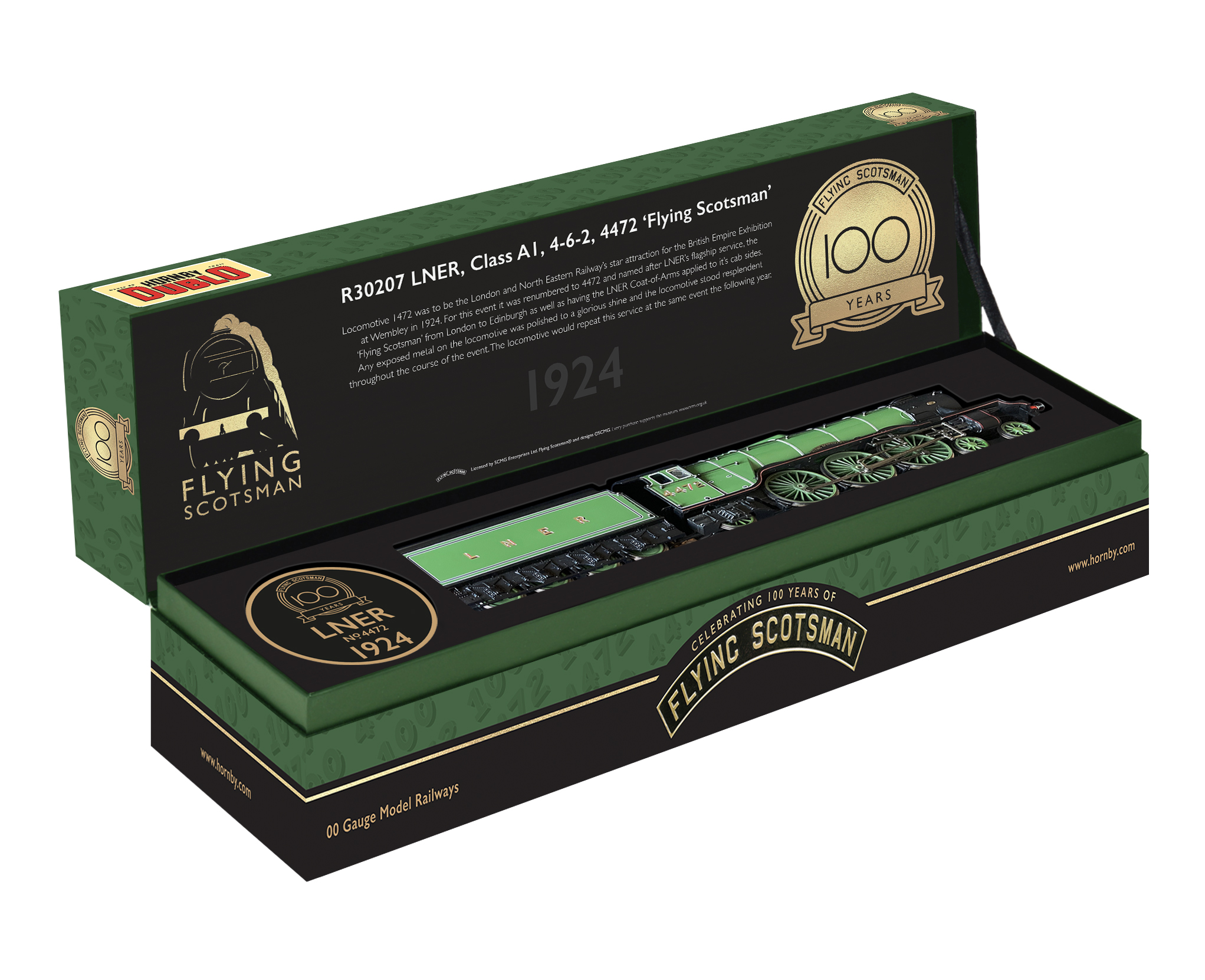
As the world-leader in model railway production, Hornby have always tried to push the boundaries of what is possible in scale form. There are many more models from the past that could easily sit in this list, and many current designs that will surely become classics in the future.
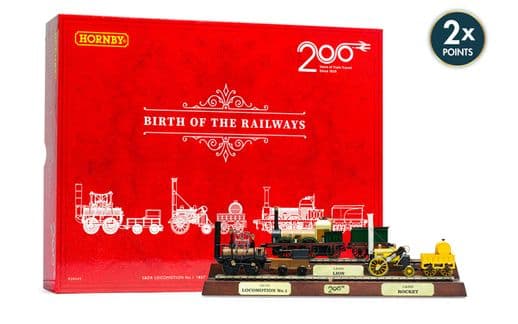
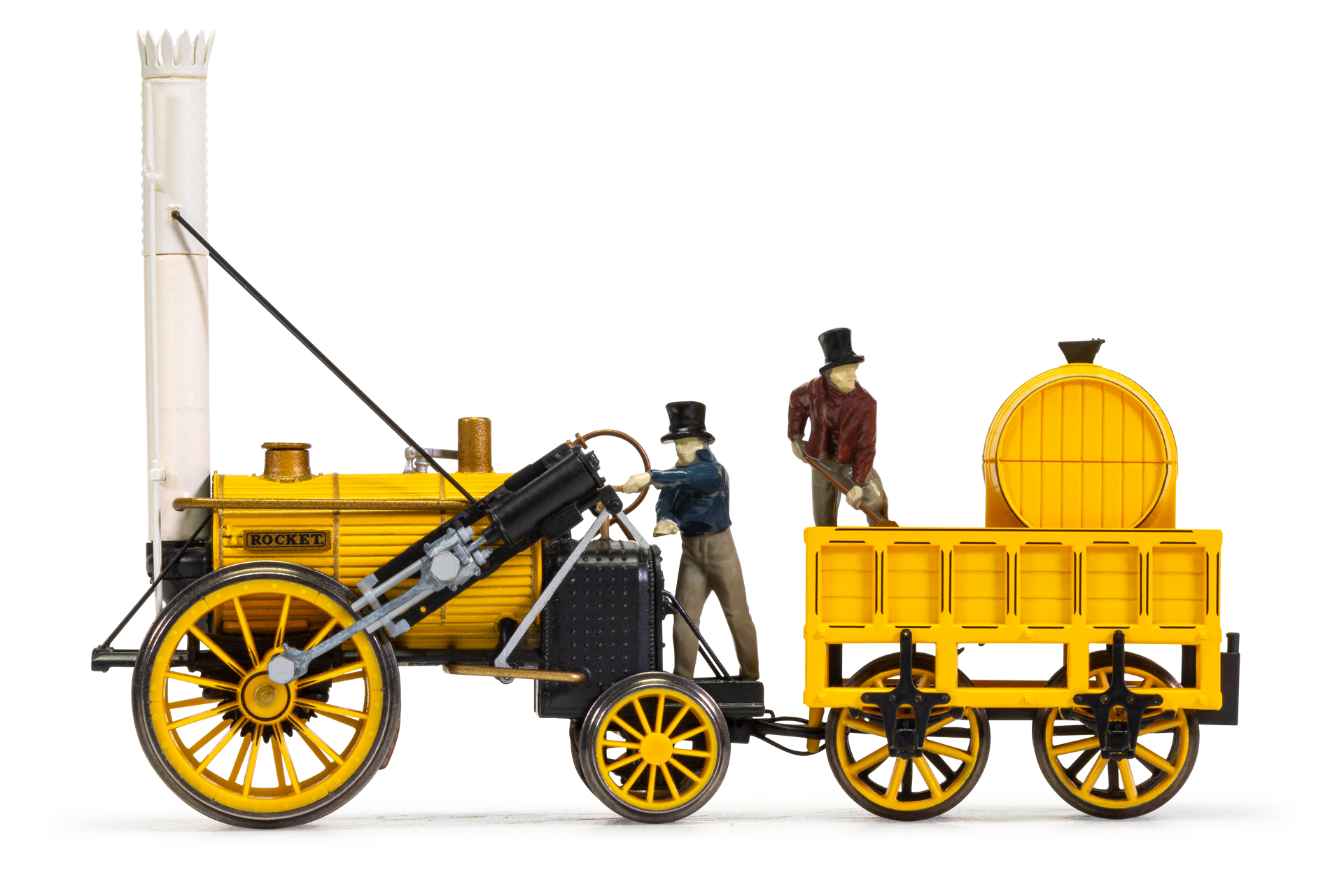
Our steam generator models, for example, utilise incredible and unique technology that cannot be found anywhere else. And Stephenson’s Rocket, currently seen in our Birth of the Railways Train Pack, is a work of art, replicating amazing detail on a tiny locomotive model.
Which other models, past or present would you include on this list? Let us know in the comments below.