This is the most important article to read if you’re just about to start building your first model railway layout. Discover how you can avoid the most common beginner mistakes, so you can have a successful set-up on your first try.
Every experienced modeller has a story of woe to tell about their first model railway layout. Whether they struggled to get power to their tracks, or they let carpet debris sabotage their high-speed dreams, something almost always goes wrong with layout number one.
Learn from their experience by reading our top tips.
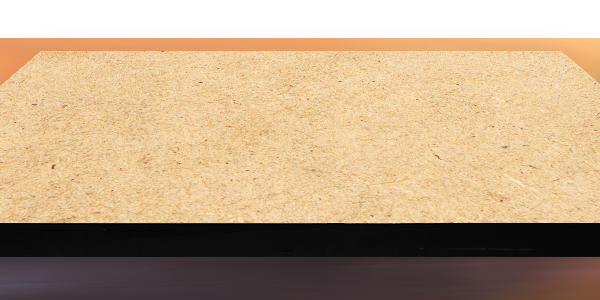
This is one of the most common mistakes beginners make when laying out their first train set. When you’re excited to get started, it can be tempting to set everything up temporarily on your carpeted floor, but this is one of the biggest mistakes new modellers make, for many reasons:
Get yourself a nice flat baseboard instead to keep your layout even. Find out more about baseboards here.
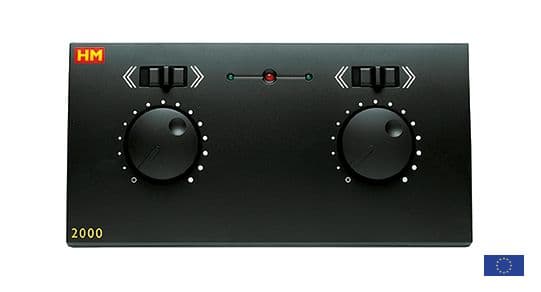
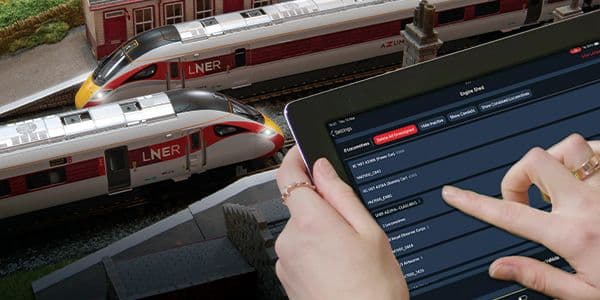
It might look like you can mix and match track systems, but digital and analogue systems use power in different ways, so they can’t be combined effectively. If you try and run an analogue locomotive on a digitally powered track, you could burn out the motor or decoder. And digital locomotives are unlikely to run for very long on an analogue system
If you want to experiment with both types of power, keep them on separate layouts for safety.
Find out more about digital vs analogue systems here. And discover out latest control system, HM7000, for the most modern model railway technology.
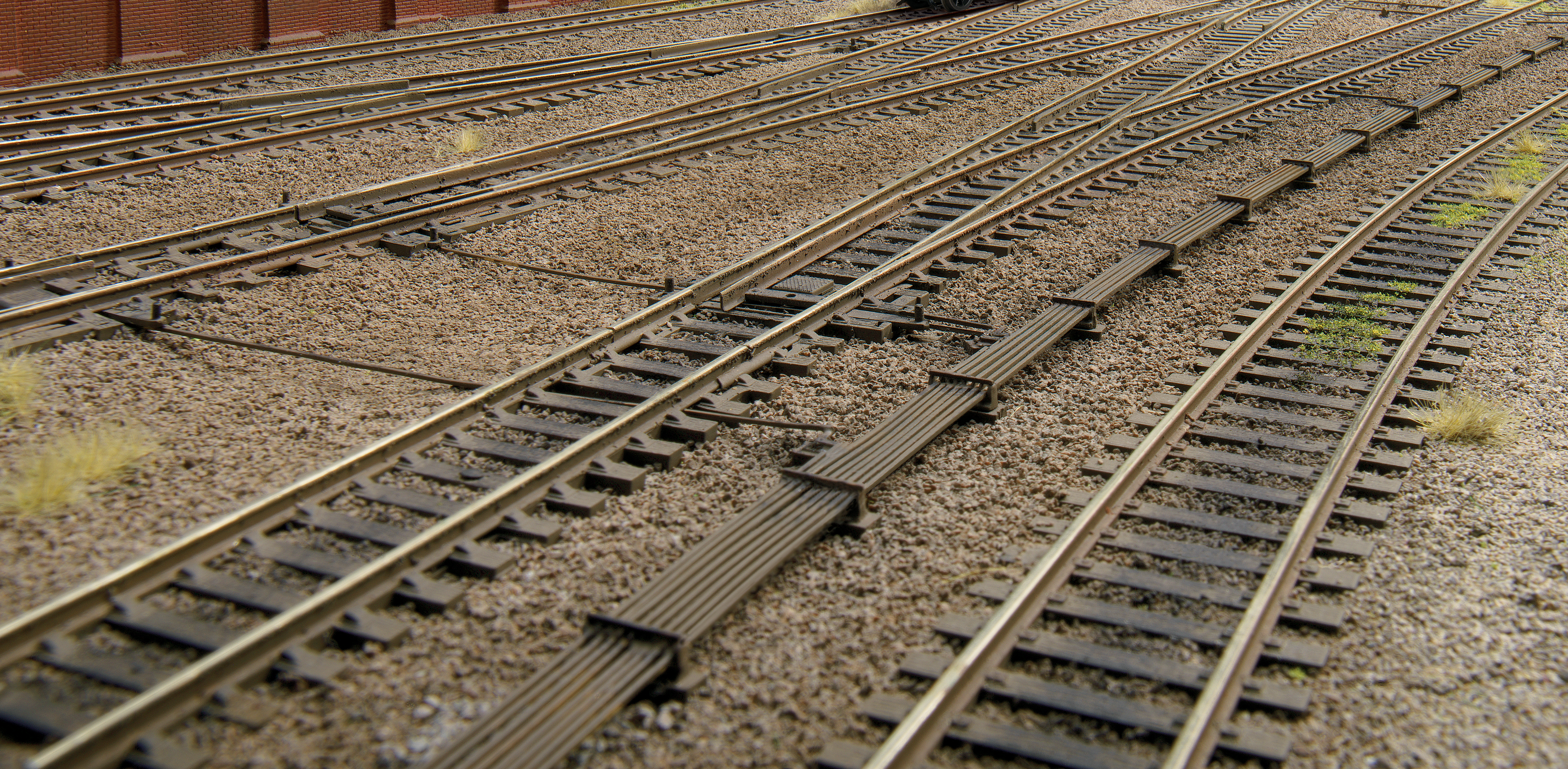
Once you’ve got everything up and running, you’ll need to check in on your layout regularly. Your models and tracks will need wiping often with a lightly damp cloth, to help keep dust, dirt and debris at bay. A track rubber is a great tool for keeping your track in pristine condition – never use sandpaper to clean.
If you have models in storage, you’ll need to give those a wipe from time to time too. Don’t forget to clean all the wheels with a little bit of isopropyl alcohol on a cotton bud.
Whatever you do – never use WD40 on your model railway layout as it will damage your models. If they need lubricating, use a thinner lubricant like sewing machine oil or petroleum jelly applied through a syringe.
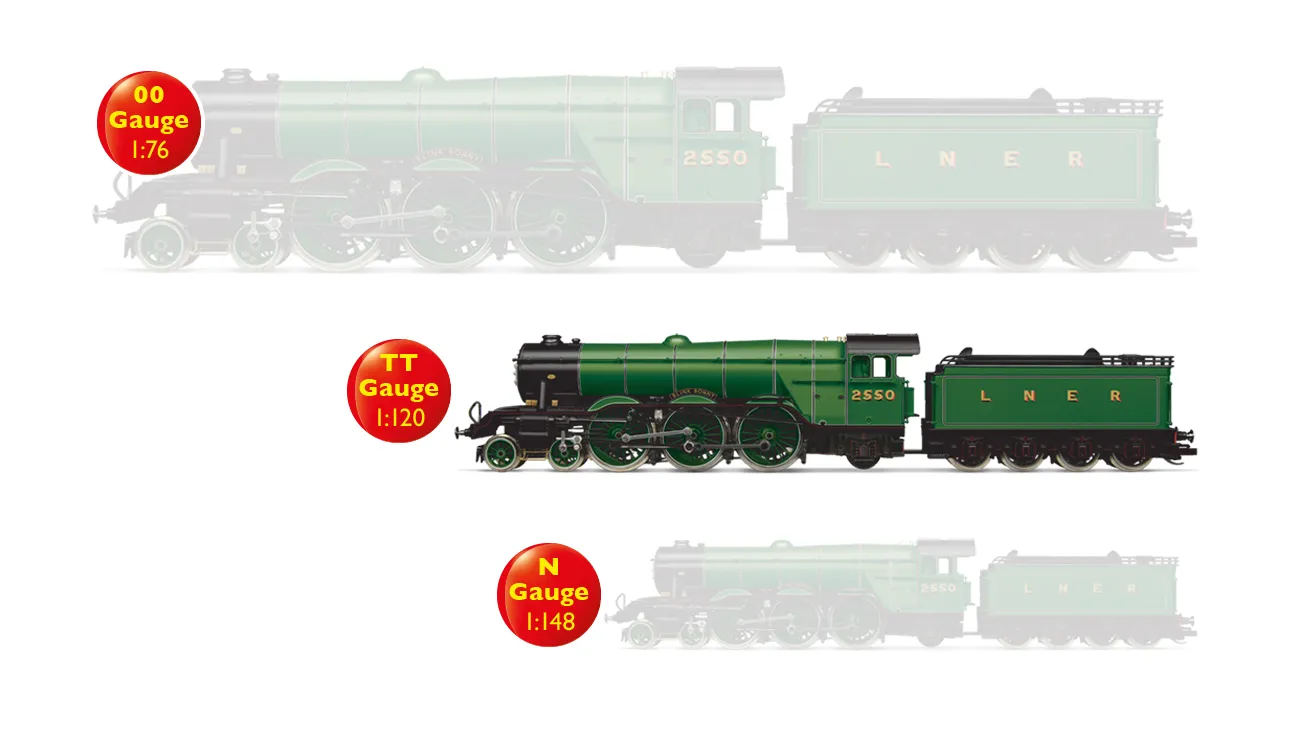
When purchasing additional models and accessories for your layout, make sure they match the scale of your current set up. TT:120 models are far smaller than the traditional Hornby OO models, so you’ll be disappointed if you order them and they don’t fit on your tracks when they arrive.
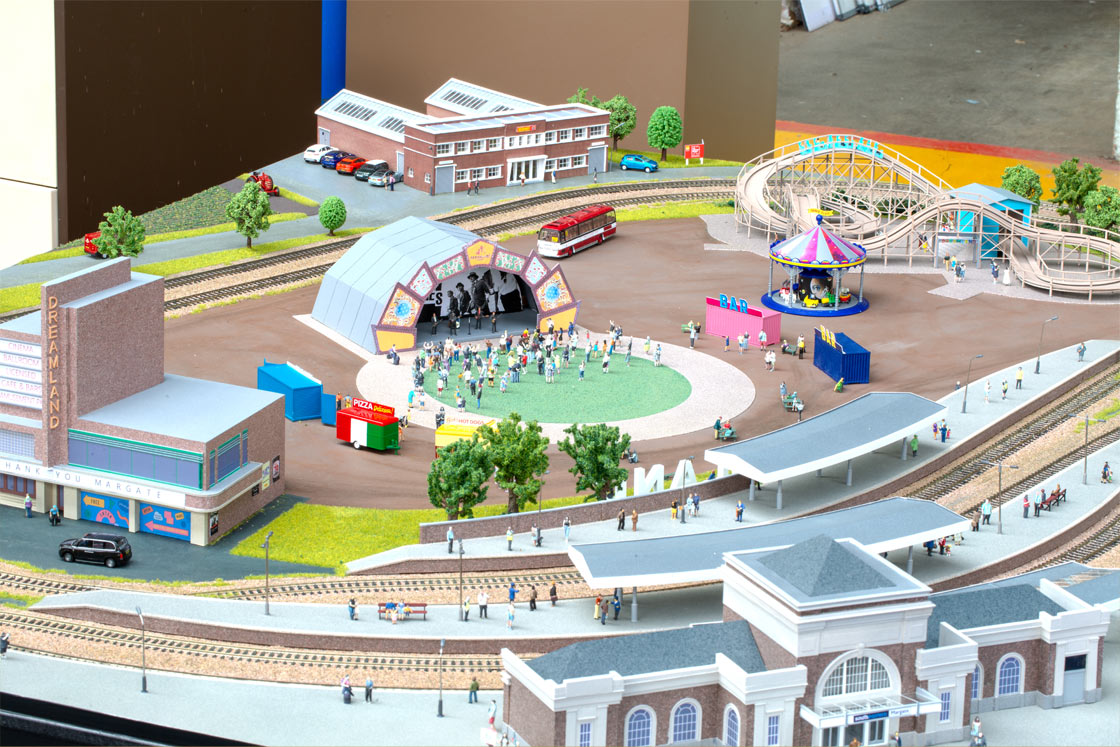
Once your first layout is ready, there’s still plenty of modelling fun to be had. You can keep building, editing and expanding your layout, adding new track pieces and models, and changing your scenery to match the seasons.
In fact, this is the most exciting bit of creating a model railway. You can take that standard starter set and turn it into something that better reflects your personality and is completely unique to you.
Avoid these mistakes and you’ll be well on your way to model railway success.
Have we missed anything? Is there anything you’d add to the list to help other newbie modellers? Share it in the comments below.