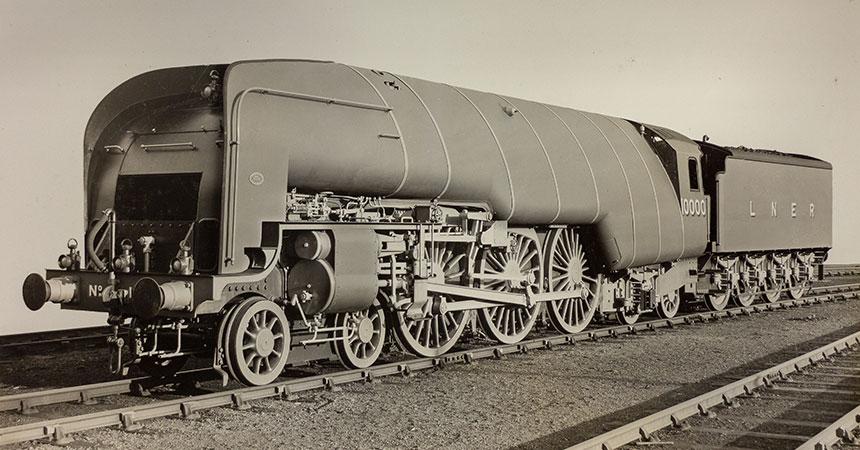
The W1 as built, minus the front handrail and electric lighting, on 10 December 1929. (Author’s Collection)
Good afternoon to you all and welcome to this April edition of Engine Shed.
The Covid-19 issues have had some effect on Hornby’s new product schedule, but we are now seeing improved performance each week from the factories in China, with production gradually returning towards normal. Whatever the case for the Hornby development and marketing teams, the process of working has to carry on regardless of the situation within the United Kingdom and working from home has created one or two challenges to our ‘normal’ working practices that we have had to overcome, one of these being the process of approving samples. In normal circumstances, engineering, decoration and approval samples are sent to Margate where they will be inspected and tested by the team. At the present time, this is simply not possible where the 2020 range products are concerned and so it falls to our Hong Kong team to take on much of the responsibility for the approval process by testing items for free spinning wheels, free dropping coupling hooks and non-sticky sprung buffers among other issues, an outcome that is only possible because of the trust that has been built up between our UK and Hong Kong teams.
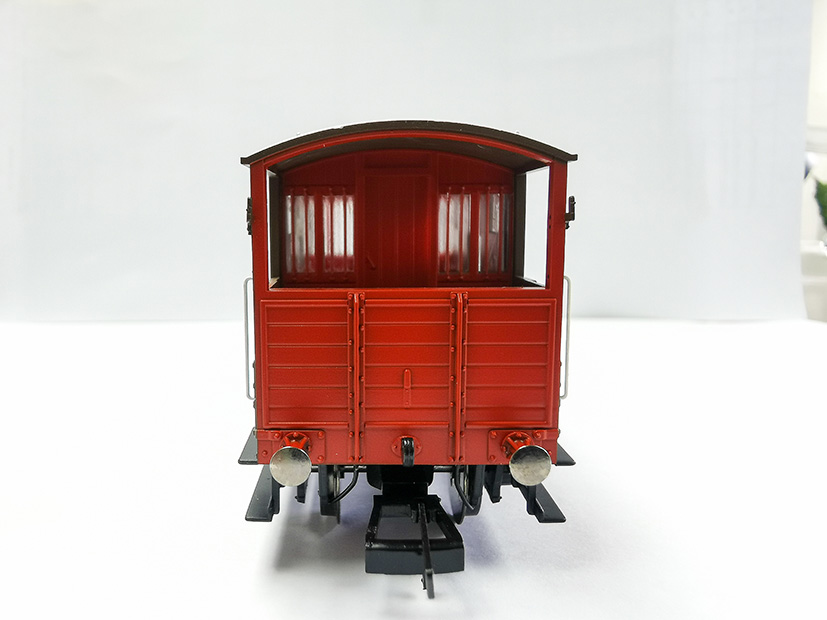
As an example, R6938, the 24T Diag. 1543 Goods Brake Van has been inspected by the Hong Kong team and photographs of each element, including any accessory bag items and instruction sheets, have been sent to our Development Manager, along with any notes or concerns. The photographs may not be of catalogue quality, but they are of a high enough resolution to enable closer inspection and are colour corrected to be able to assess the livery.
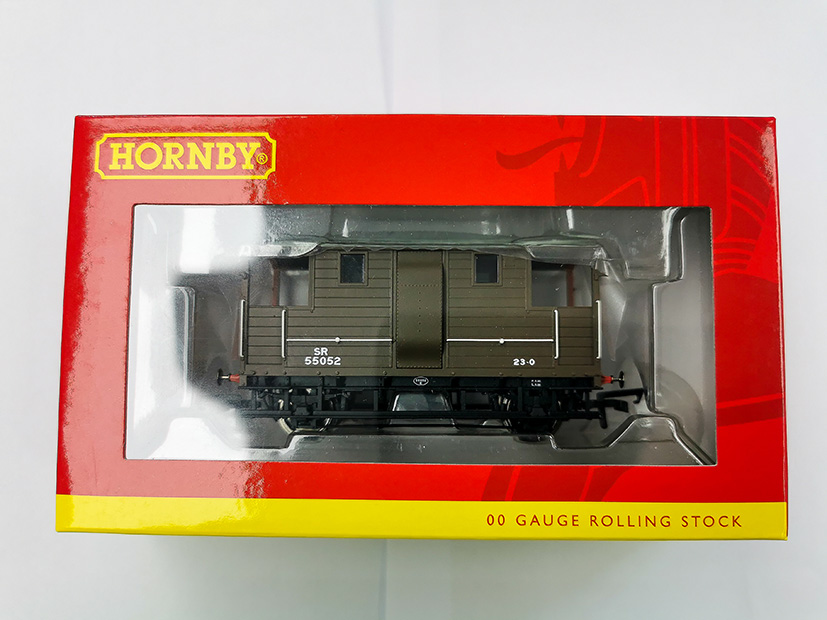
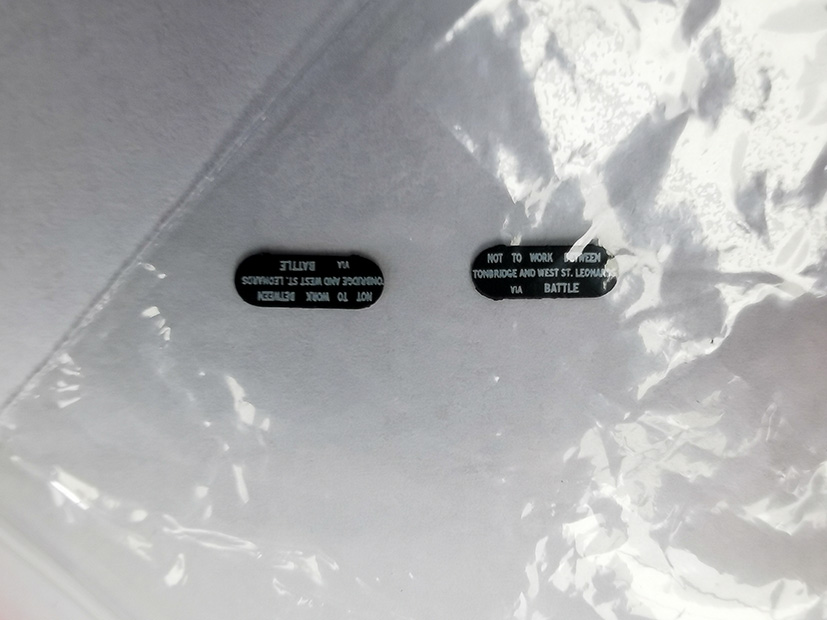
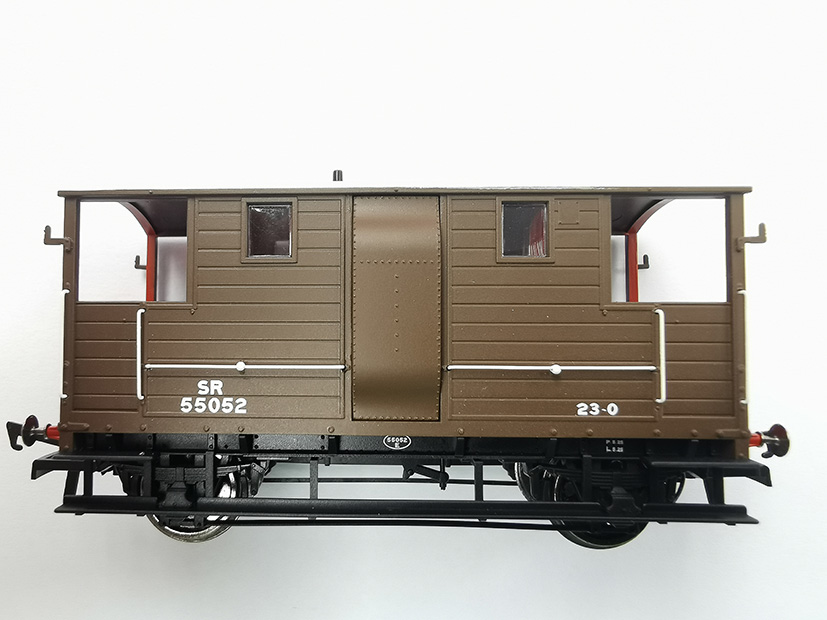
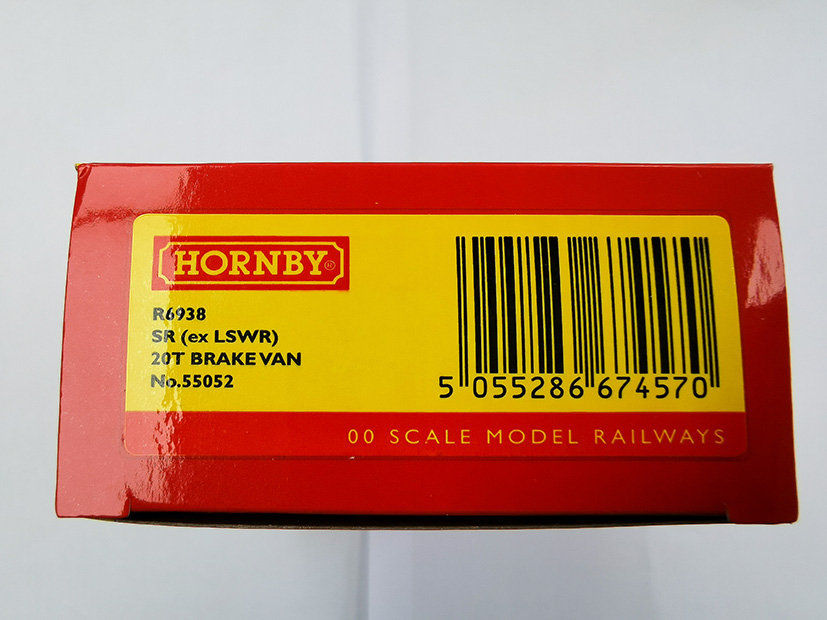
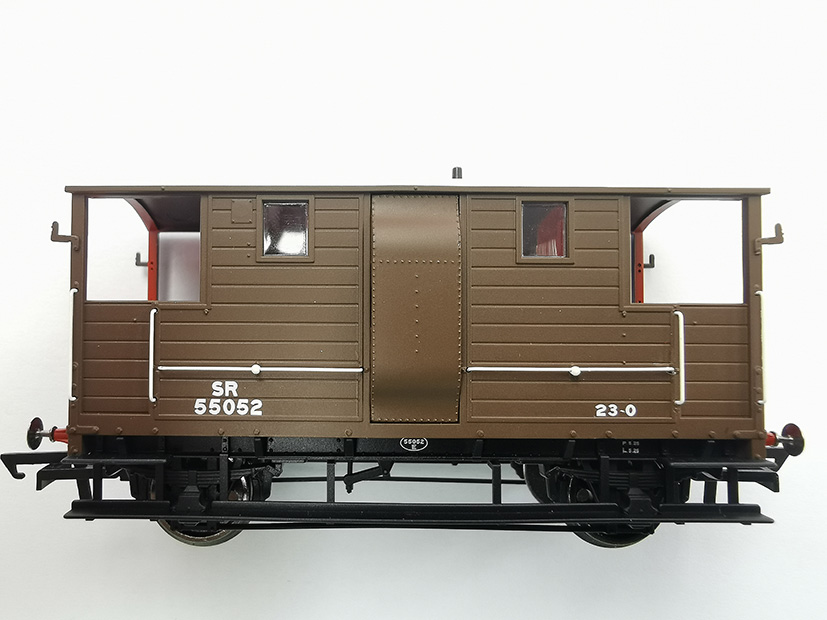
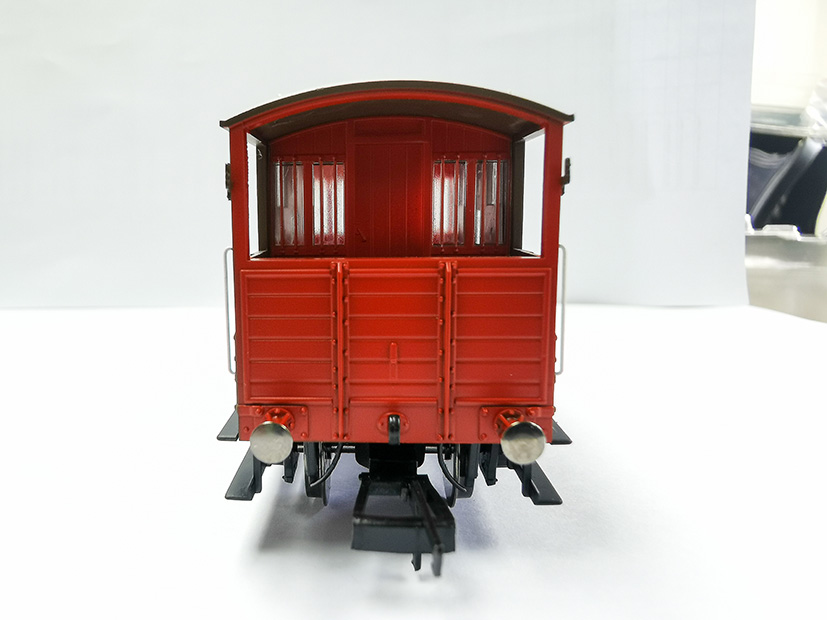
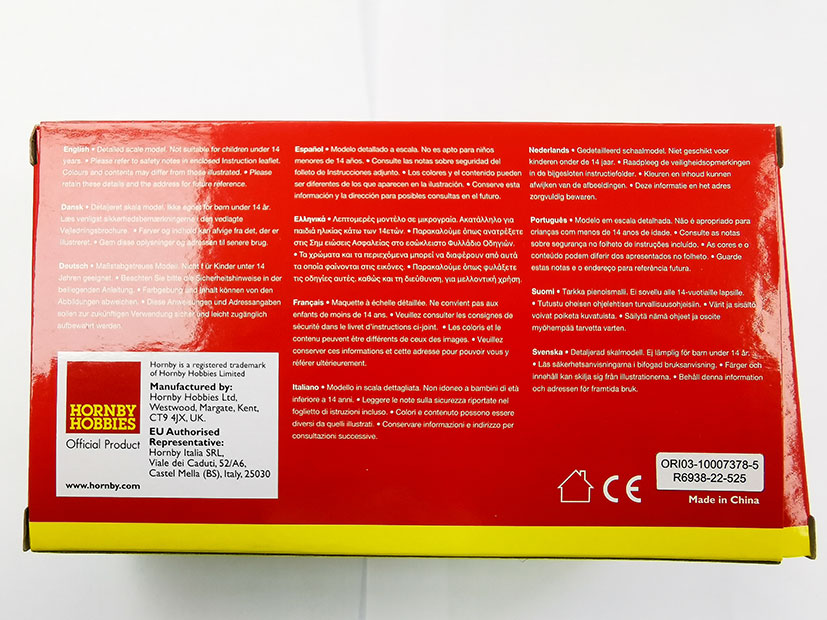
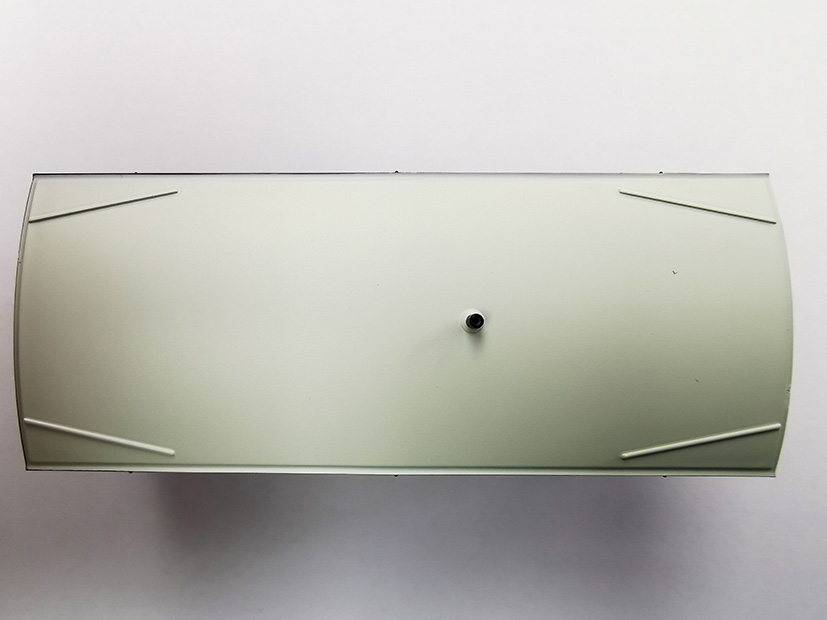
Moving on to the main focus of this month’s Engine Shed, we had hoped to be able to bring you the first images of the Thompson A2/2 and A2/3 locomotives this time around, as part of a ‘bumper’ LNER edition, however the schedule has slipped a little on that project due to the current situation and we are now expecting those samples to come through in a month or so.
What we do still have for you though are some insights into our Gresley W1 and BR Class 91 projects, which we hope will satisfy your curiosity, so (technically) we still have a bumper LNER edition!
In September 1924 Sir Nigel Gresley approached Harold Yarrow, a shipbuilder from Glasgow, with a proposal to build a high pressure water tube boiler to power a new three cylinder compound 4-6-2 design, comparable to the existing A1 Pacific locomotives. The length of the boiler required for the concept precluded using the A1’s frame, so a revision to the design was necessary, as well as a change to four cylinders following practical advice from the LMS to Gresley in 1926. By 1927 an outline diagram had been produced, showing the frames being extended to the rear and the leading coupled wheels being driven by two inside cylinders, with the second coupled wheels being driven by two outside cylinders.
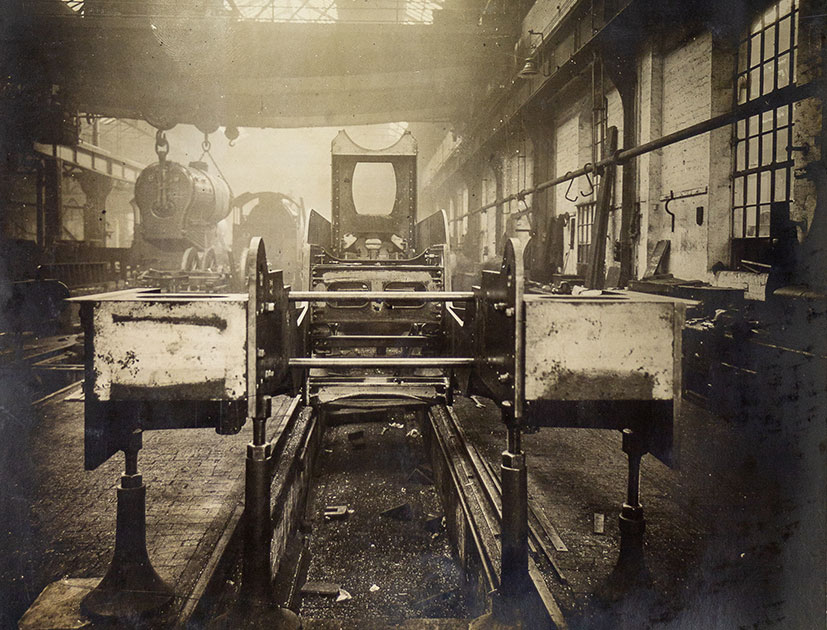
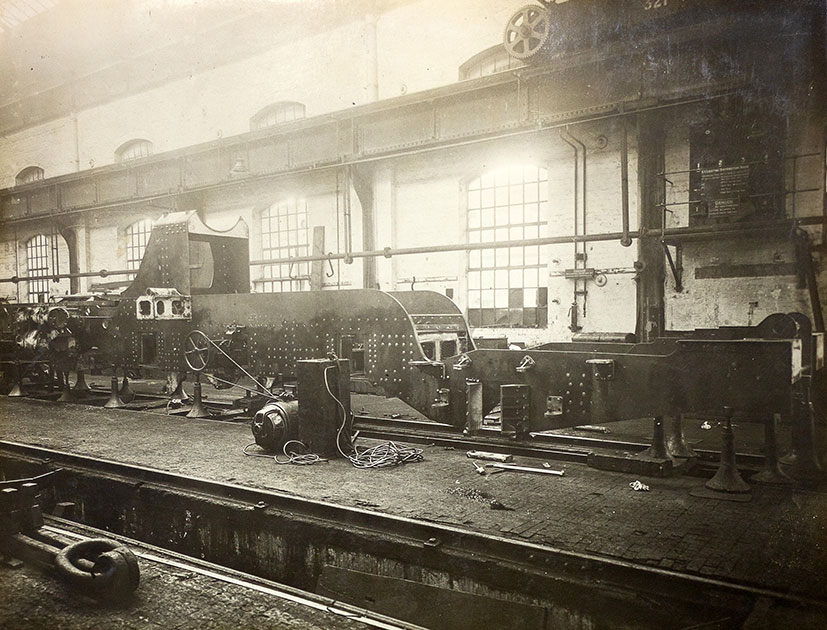
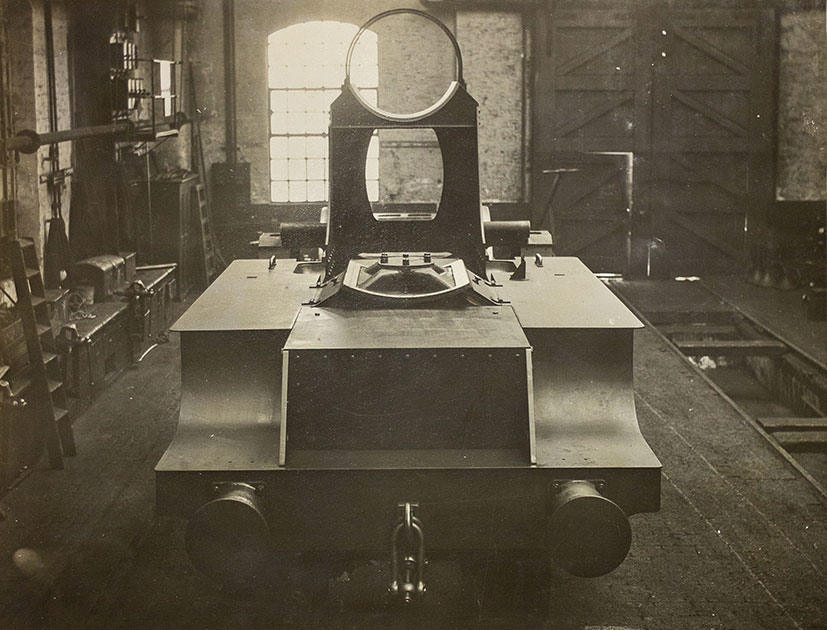
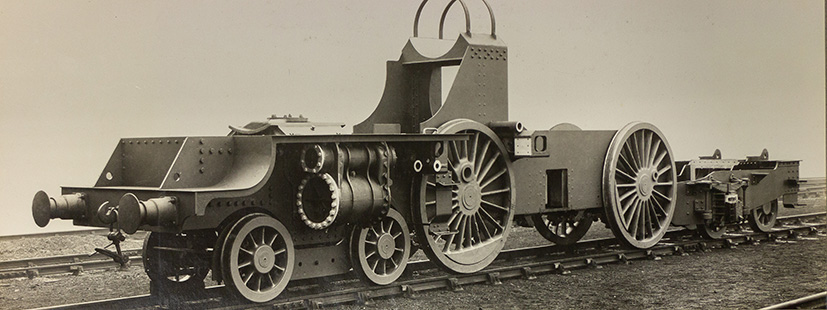
The W1 frames under construction at the North Road Workshops in Darlington. (Author’s Collection)
This arrangement showed a huge overhang at the rear, beneath the cab, the solution to which was an arrangement whereby the leading trailing wheels were fixed to the frame and the rear pair mounted on a pony truck, technically creating a 4-6-2-2 arrangement, although officially the design was designated as a 4-6-4 Baltic. On February 1, 1928, the order for the locomotive was confirmed and by February 1929, Yarrow’s had completed the boiler, the chassis being moved from Darlington to Glasgow for testing on April 3rd.
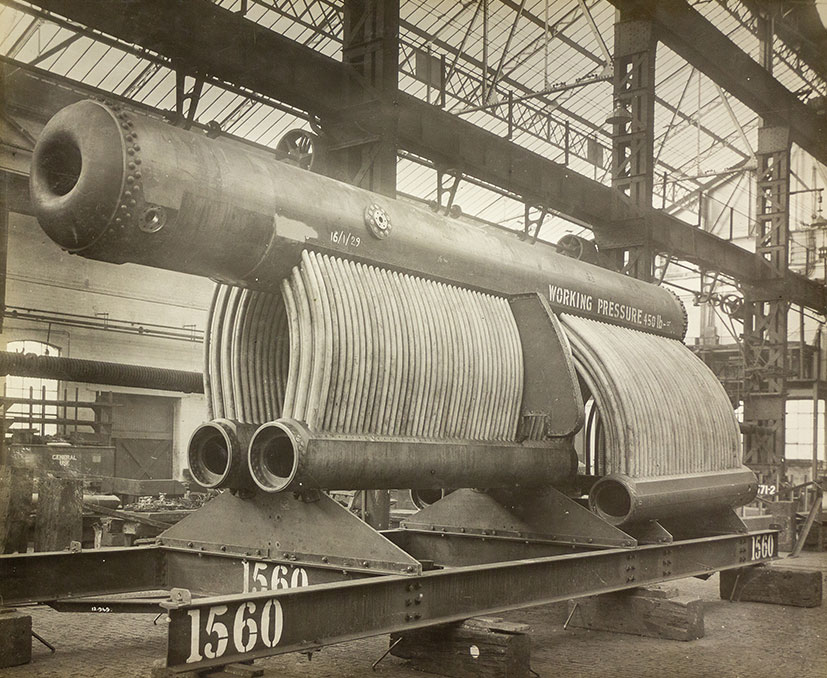
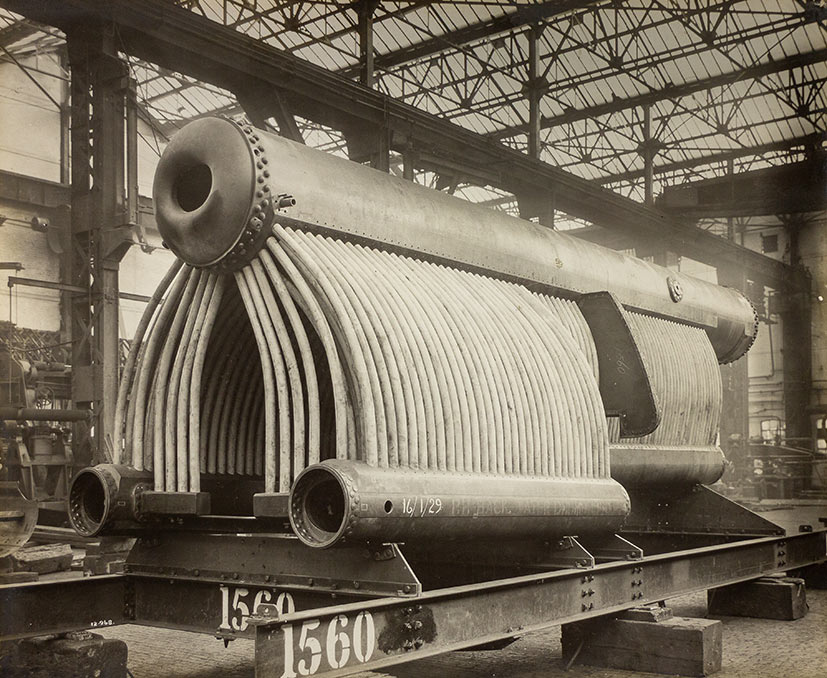
The W1’s unique water tube boiler at Yarrow’s Glasgow workshops on 16 January 1929. (Author’s Collection)
Tests were completed by October 1929 and it was during this period that wind tunnel tests led to the unusual front-end design that gave the W1 part of its distinctive appearance.
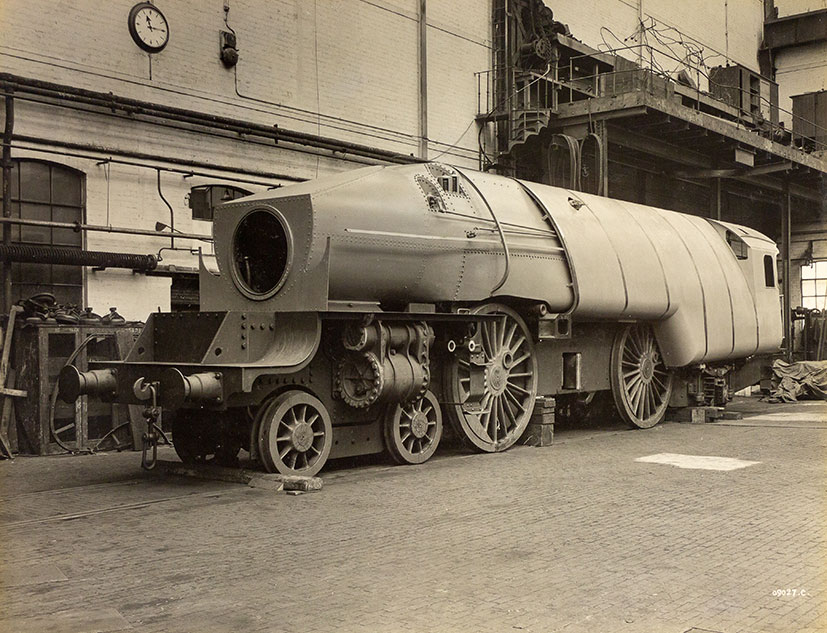
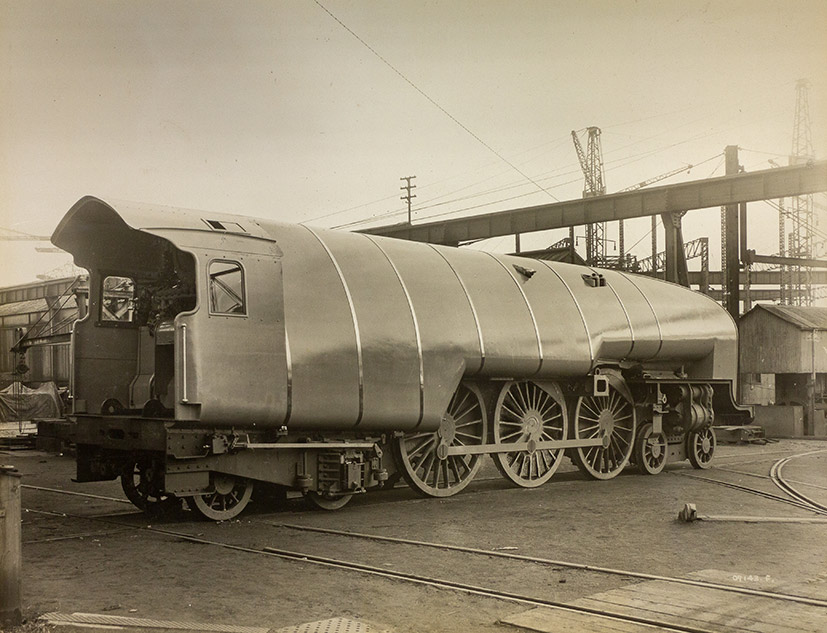
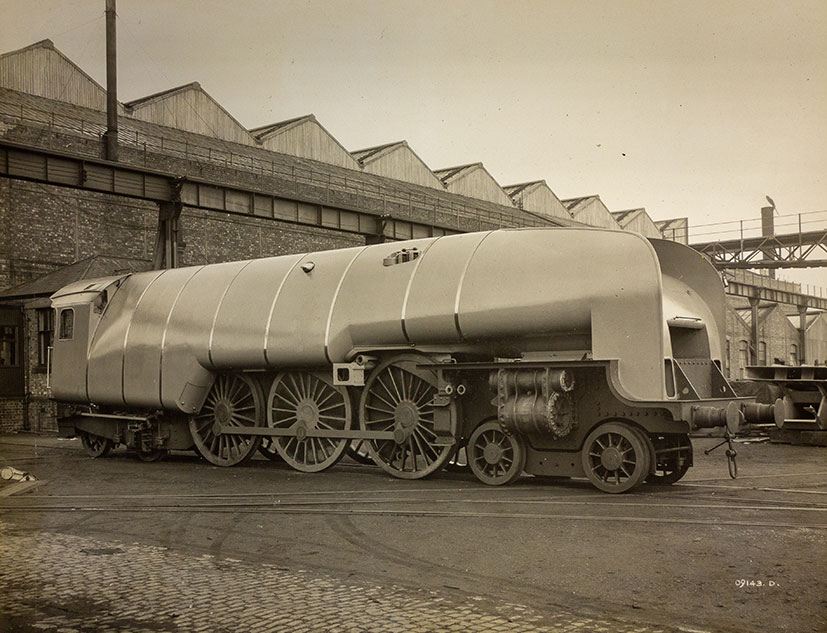
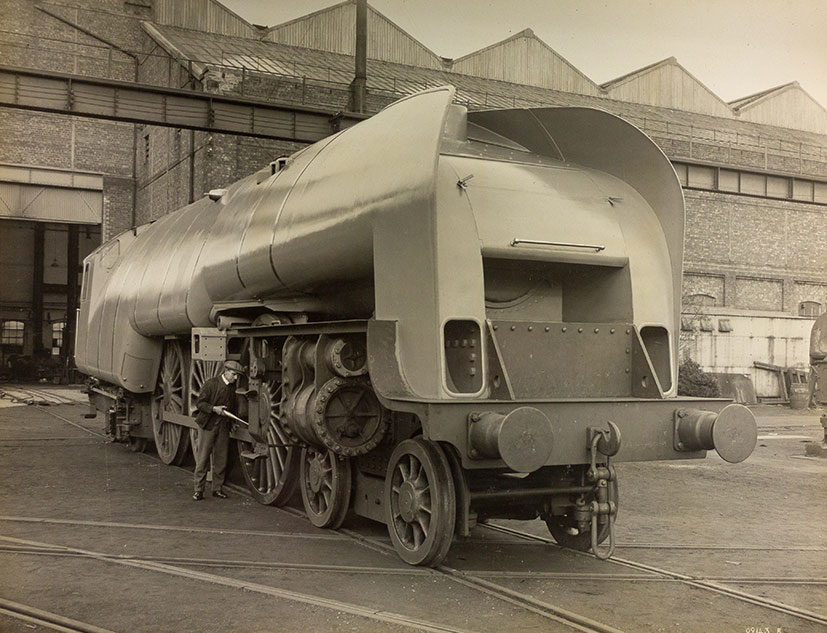
The W1 was assembled in Yarrow’s Glasgow workshop yard in late September 1929 for photographs, prior to being returned to Darlington. (Author’s Collection)
Official photographs were released on December 10th and the first trial run took place on December 12th, followed by another on December 29th and, on 9 January 1930, the first trip to Kings Cross, although it was to be a further six months of trials though before No. 10000 finally entered traffic on June 20, 1930.
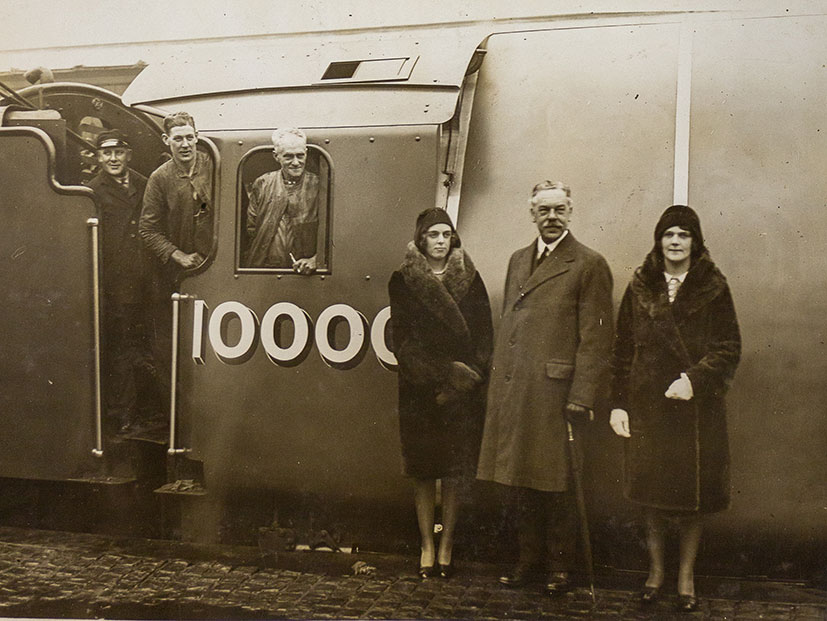
Sir Nigel Gresley, flanked by his daughters Violet and Marjorie, at Reston Junction on 12 December 1929. (Author’s Collection)
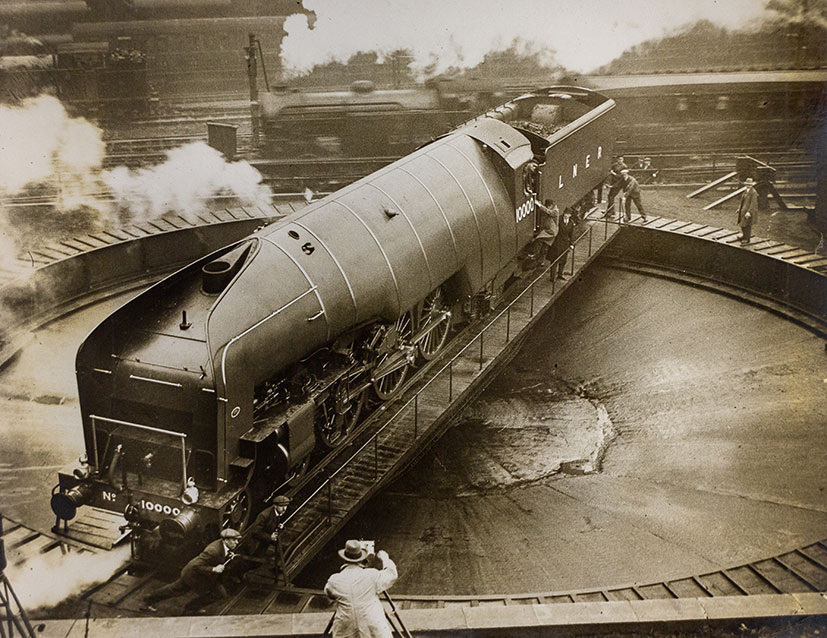
The W1 being turned on the Kings Cross turntable, 8 January 1930, complete with handrails that had been fitted for the press day (Author’s Collection)
As well as spending time at the Railway Museum’s Search Engine looking at the engineering drawings and files held in the archives there, a tremendous amount of research time was spent at the Ken Hoole Research Centre, located at Head of Steam, Darlington’s Railway Museum. The spiritual home of the W1, the museum site occupies the site of the former North Road Station and Works and is also home to the A1 Locomotive Steam Trust, as well as the North Eastern Locomotive Preservation Group, making any visit worthwhile, especially while Engine No.1 Locomotion is still housed there.
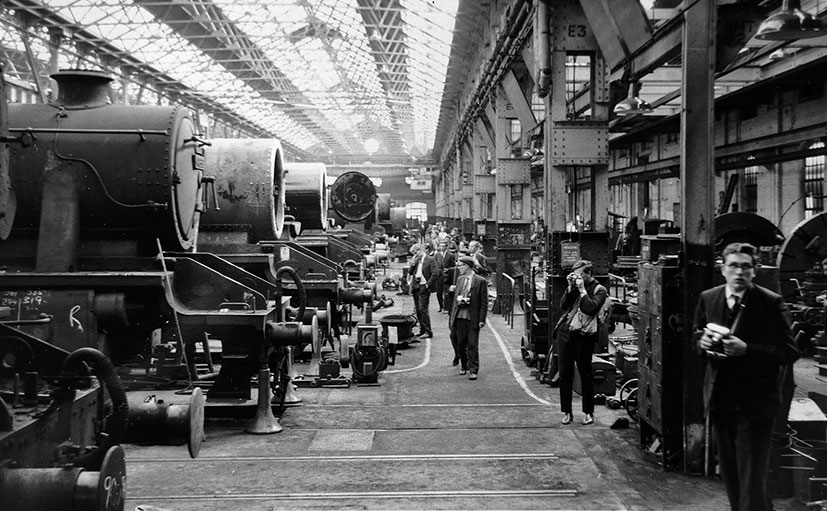
Darlington’s North Road Works in its heyday.
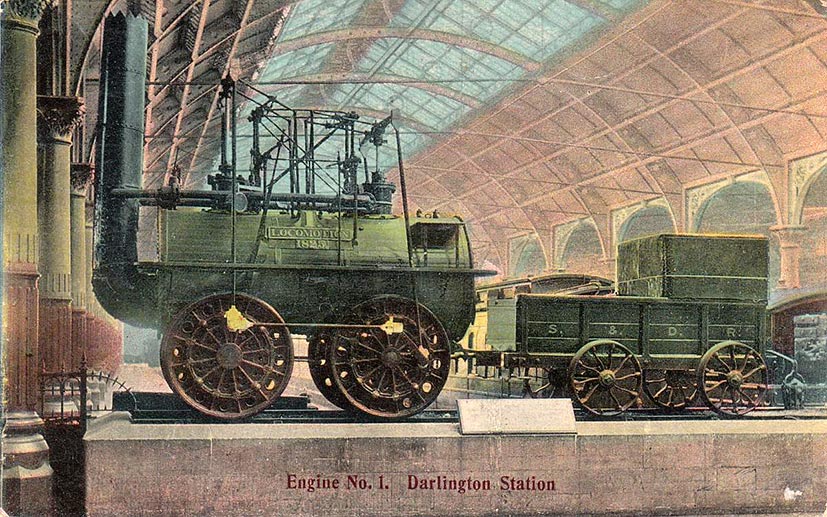
Engine No.1, Locomotion, is currently housed at Head of Steam, the Darlington Railway Museum.
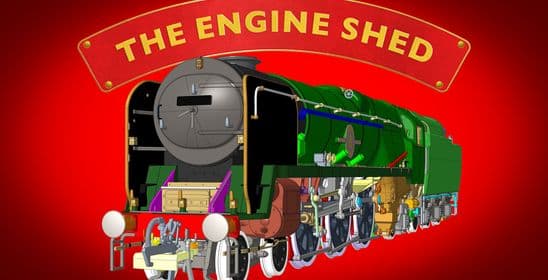
The tooling suite for the W1 in the locomotive’s original high-pressure boiler configuration covers all of the major changes that took place to No. 10000 between the first test run on 12 December 1929 and 21 August 1935, when the W1 was moved into storage at Darlington’s Stooperdale Paint Shop. The models in the 2020 range all feature No. 10000 in the condition that the locomotive appeared in on 8 January 1930, being fitted with the handrail, but before the electric lighting was installed.
R3840 represents No. 10000 as the locomotive appeared at Kings Cross for the official Press Day.
R3841 represents No. 10000 in the same condition but fitted with the ‘British Enterprise’ nameplates that were cast during November/December 1929 from Works Drawing 13778, but never fitted.
R3842 represents No. 10000 in LNER’s Apple Green livery that many publications, including those authorised by the LNER, assumed that the locomotive would appear in.
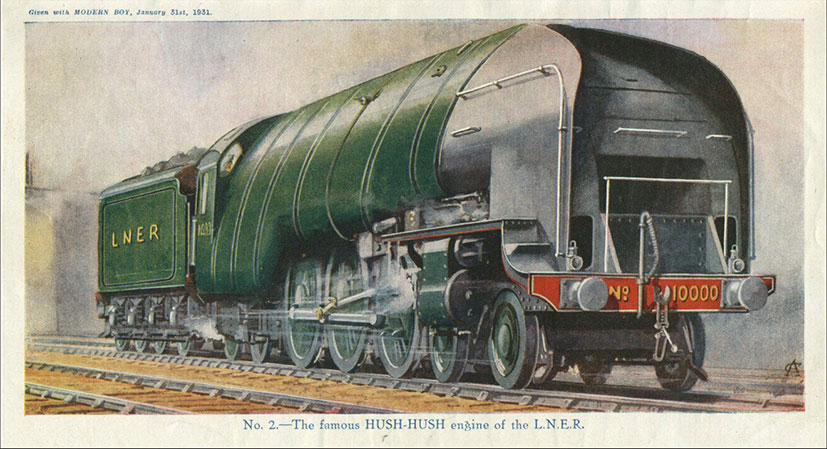
No. 10000 was featured as a free colour plate giveaway in the 31 January 1930 issue of ‘The Modern Boy’
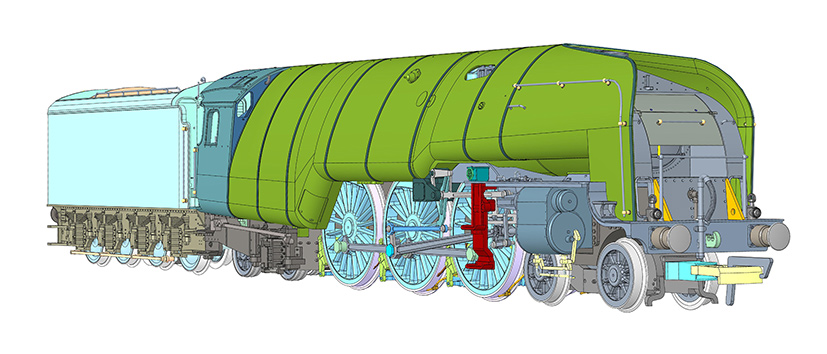
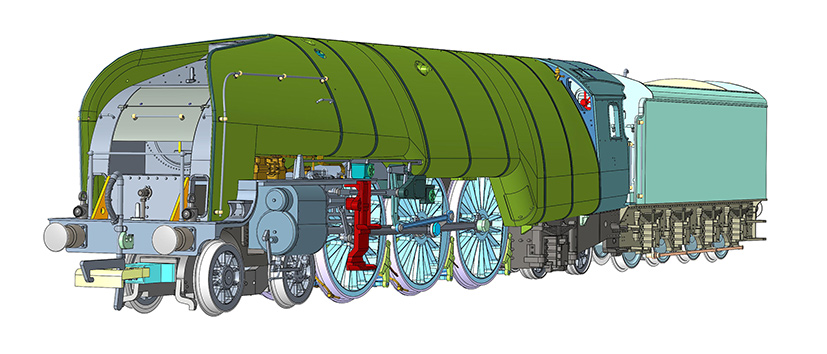
Based on the information we have, No. 10000’s ‘service’ livery was “all over lead grey, mixed with a little black and varnished”, a paint scheme which became progressively darker in use, being almost black by the time of the rebuild. Our graphic artist has translated this into RAL 7016 for the decoration artwork, which we will assess again when the decoration sample becomes available.
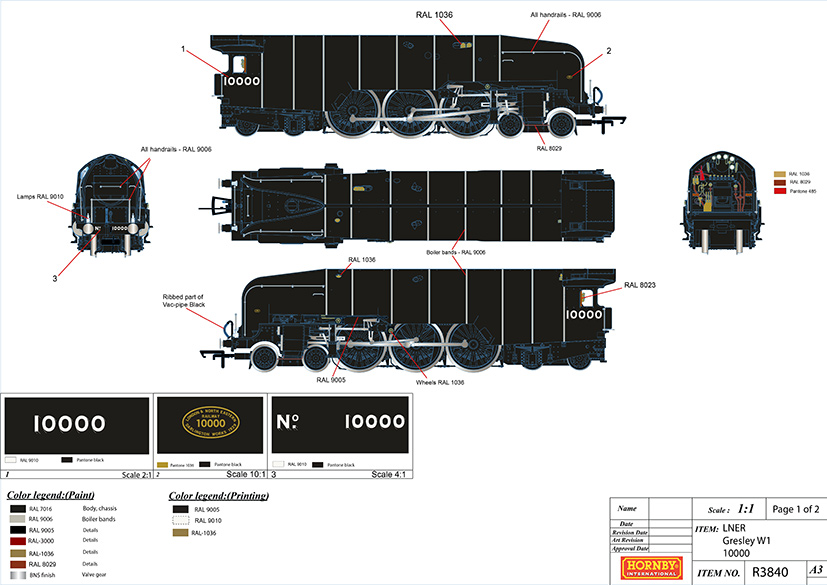
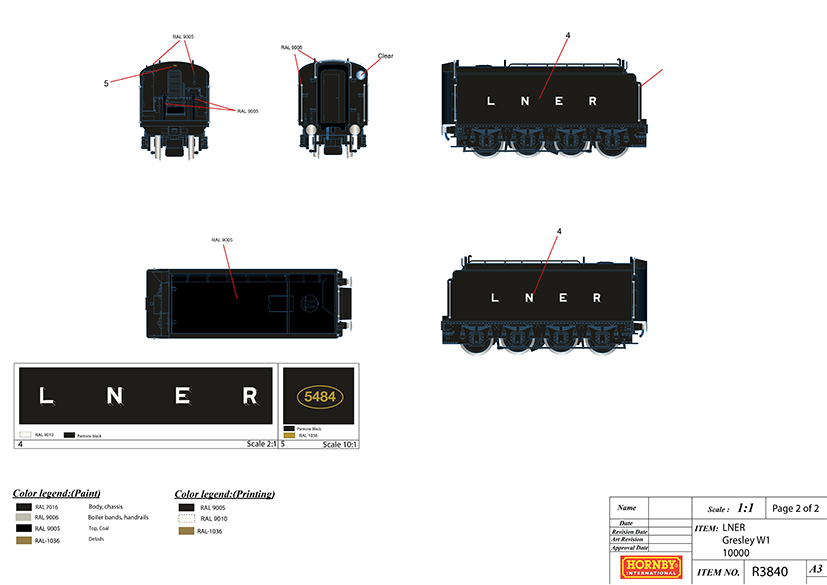
On 21 August 1935, No. 10000 entered Darlington Works for what was anticipated to be a major overhaul and modification, but during this period Gresley decided that it was time to rebuild 10000 as a three-cylinder locomotive with a conventional firetube boiler and moved the locomotive to Doncaster Works on 13 October 1936, the first drawing for the modification being prepared at the end of November. When No. 10000 was finally released from Doncaster Works in November 1937, it was a significantly different locomotive; being fitted with a diagram 111 boiler that was very similar to the diagram 108 boiler fitted to 2006 Wolf of Badenoch, and with a streamlined casing to the same pattern as the A4 class.
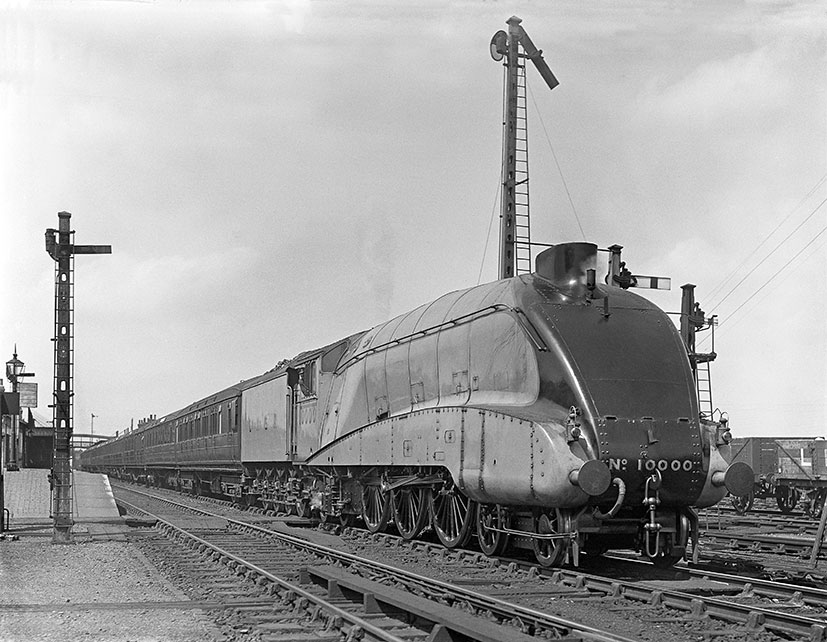
The rebuilt W1 4-6-4 No. 10000, at Newark Northgate with an up express on 8 June, 1938. © T.G. Hepburn/Rail Archive Stephenson
As many components as possible from the original W1 were used in the rebuild, including the frames, which were shortened by 1½ feet at the front end. Other items, where needed, were sourced from the A4 class, the A3 class or, like the front bogie, from the B17 and an experimental double Kylchap blastpipe and chimney was fitted. The cab, while similar to that of the A4 class, was considerably longer and this led to the retained original tender’s coal delivery chute having to be lengthened to compensate for the extra distance from the firebox doors.
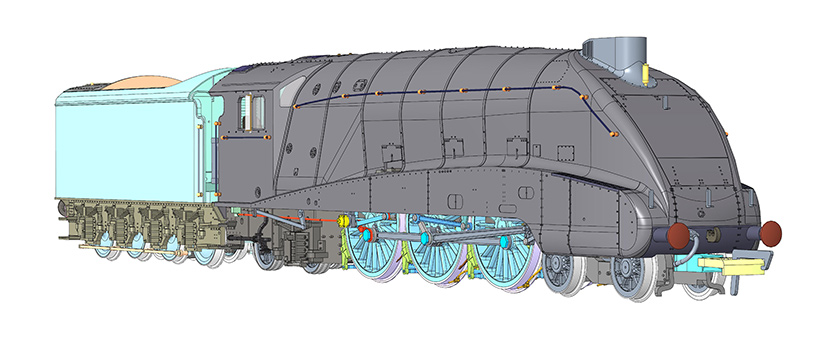
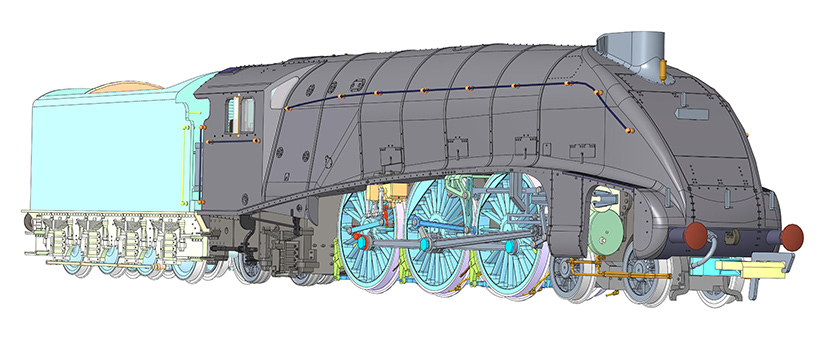
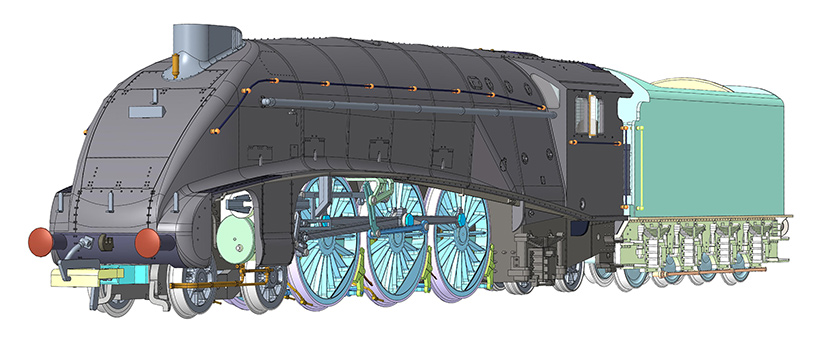
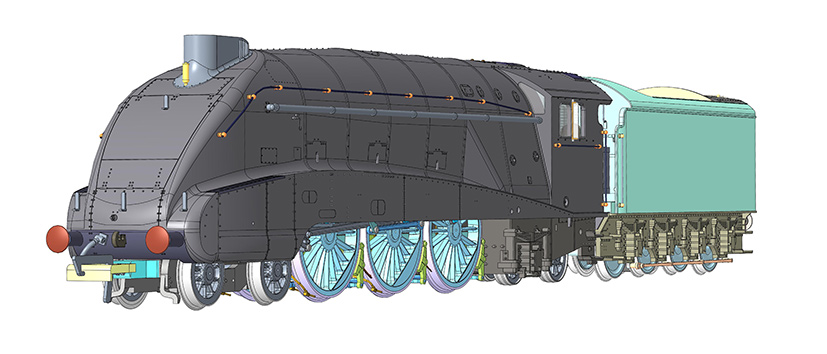
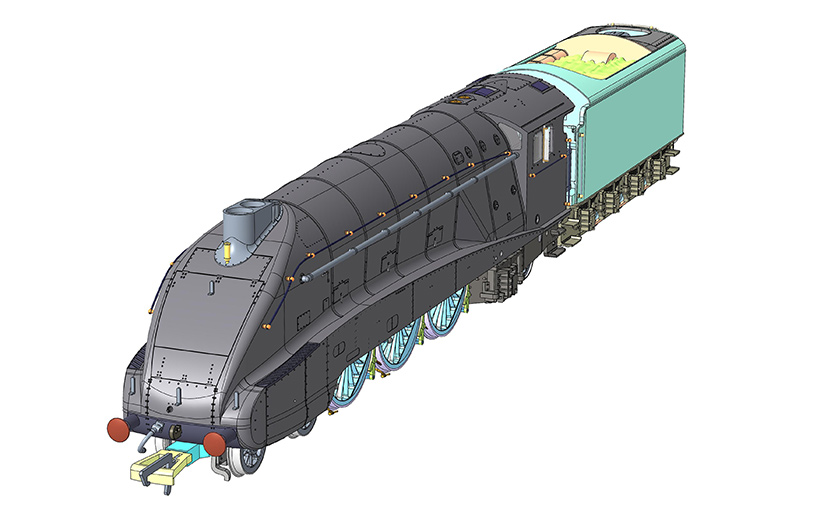
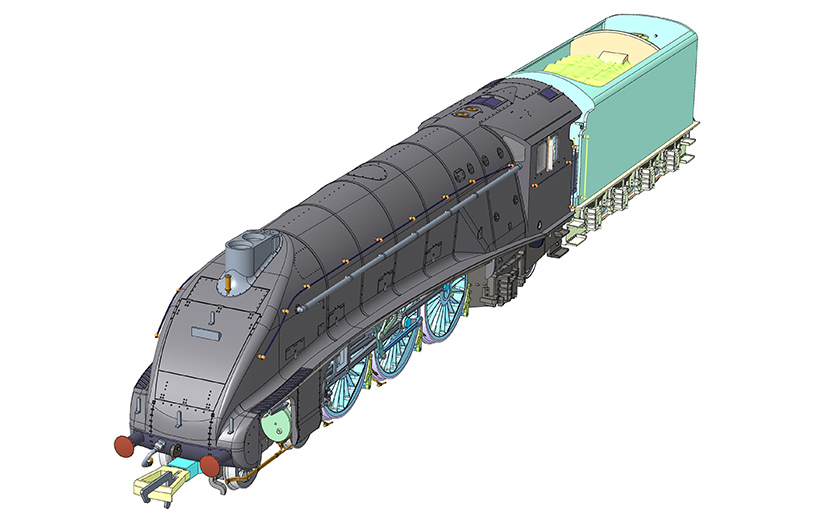
As with the actual locomotive, our designer retained as many components and assemblies from the original No. 10000 as possible, making the streamlined version an extension and modification of the tooling suite, rather than a whole new separate project.
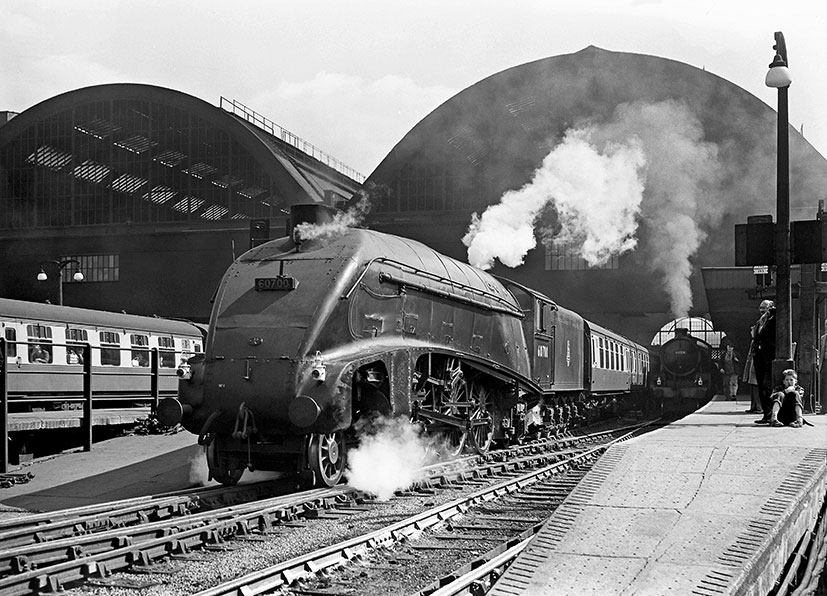
W1 No 60700 departs from Kings Cross with the 3.52pm to Leeds & Bradford express on 22 May, 1957. © D.M.C. Hepburne-Scott/Rail Archive Stephenson
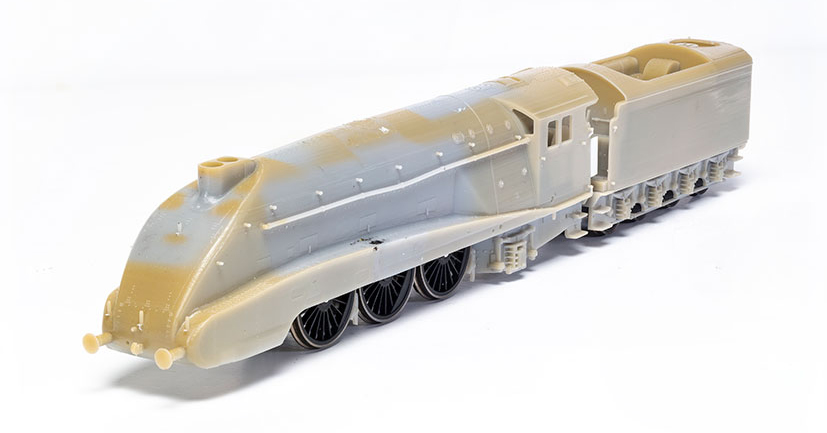
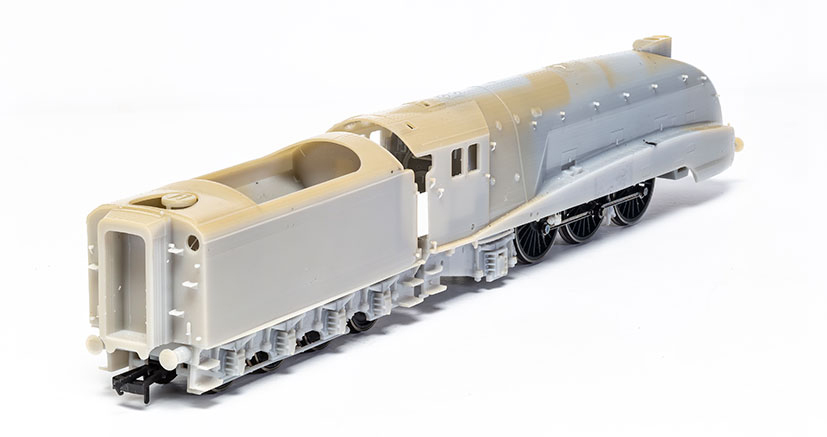
* Please note that these Stereo 3D sample prints shown do not necessarily represent the final builds of the models, as they are intended for internal evaluation of the CAD. As such, the models may have erroneous running gear fitted and are missing components. The discolouration is due to being stored in direct sunlight.
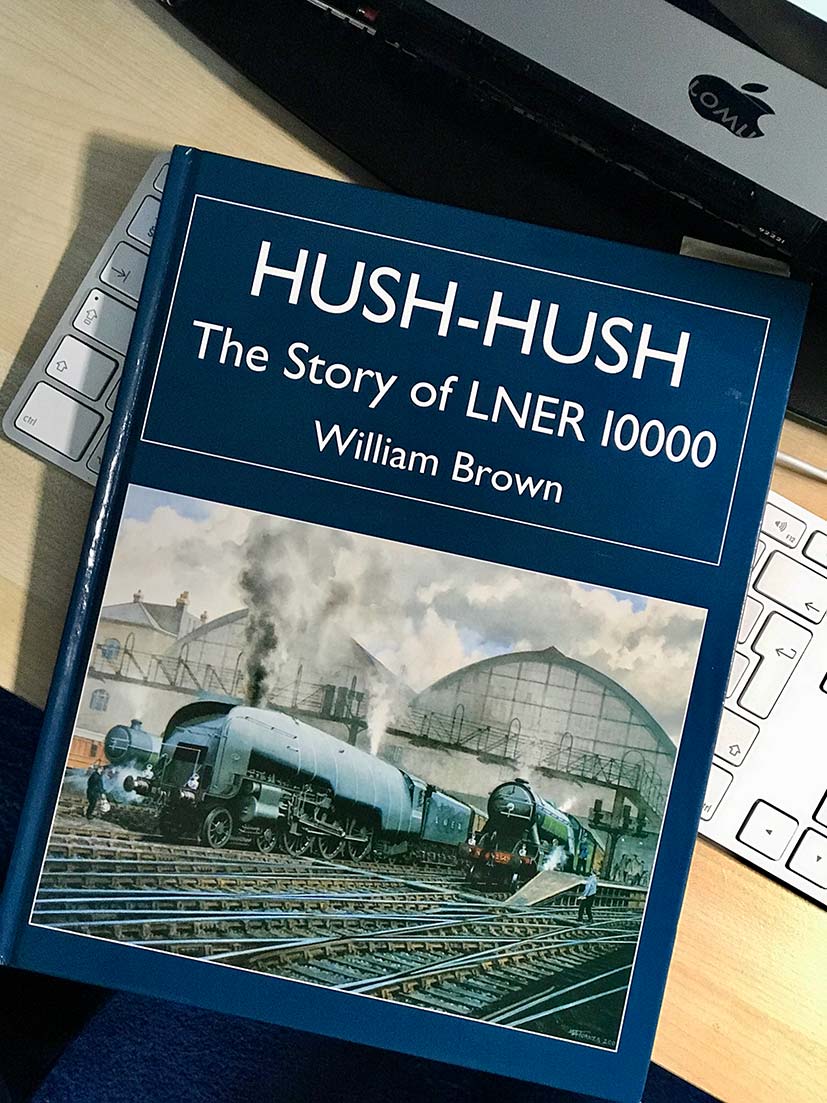
If the images and CAD of No. 10000 have whetted your appetite to find out more on the history of this legendary locomotive, we can certainly recommend William Brown’s “Hush-Hush – The Story of LNER 10000”, published by Kestrel Railway Books (ISBN 978-1-905505159) and available from their website.
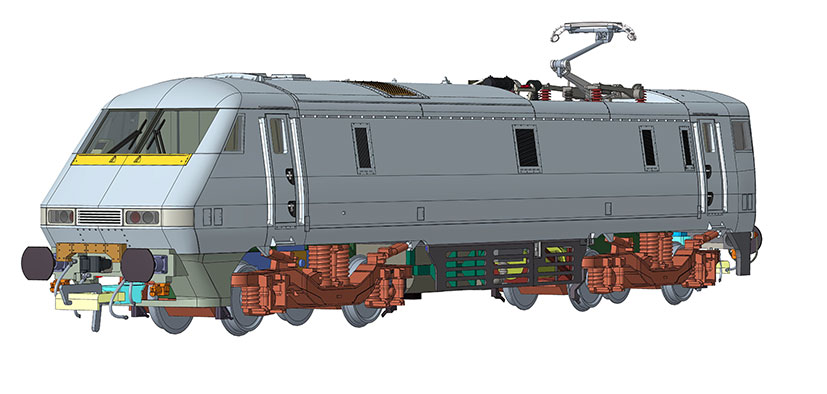
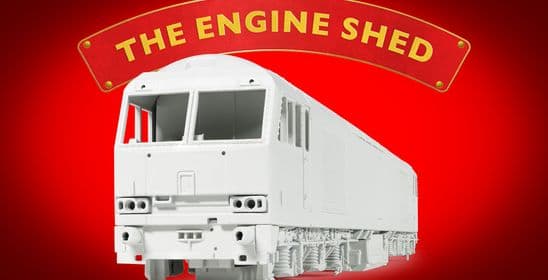
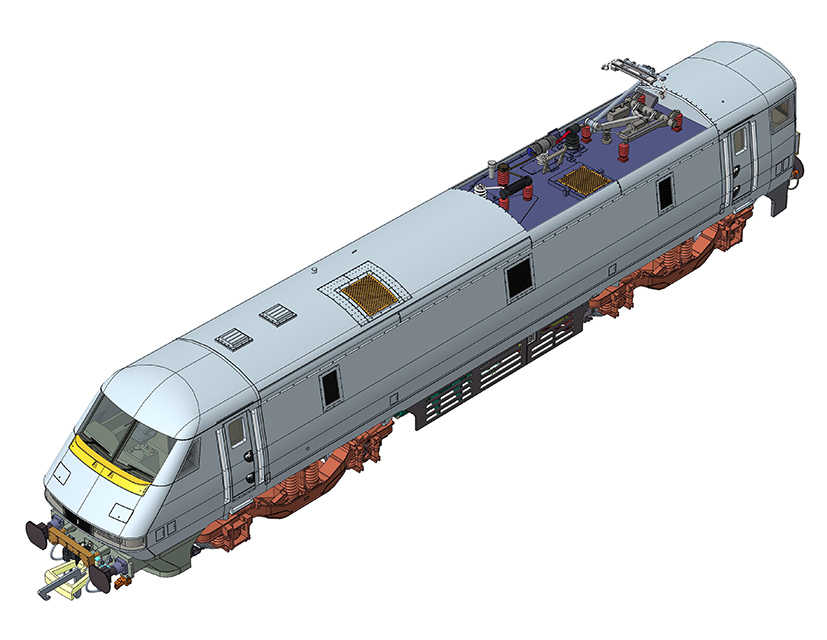
The CAD above represents the build of R3891, 91118 ‘The Fusiliers’ in LNER livery.
Towards the end of June last year, at the invitation of Hitachi Rail Europe, the Hornby team visited Bounds Green in London to survey a number of Class 91 locomotives in preparation for the design phase of the project. At that point, Hitachi had only recently taken over the running of the depot from LNER and with the anticipated withdrawal of a number of Class 91 sets, the depot was a hive of activity.
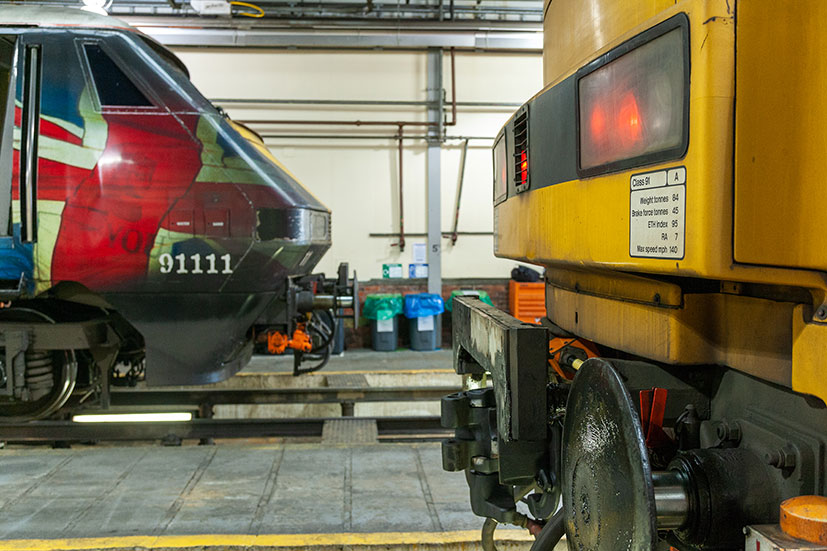
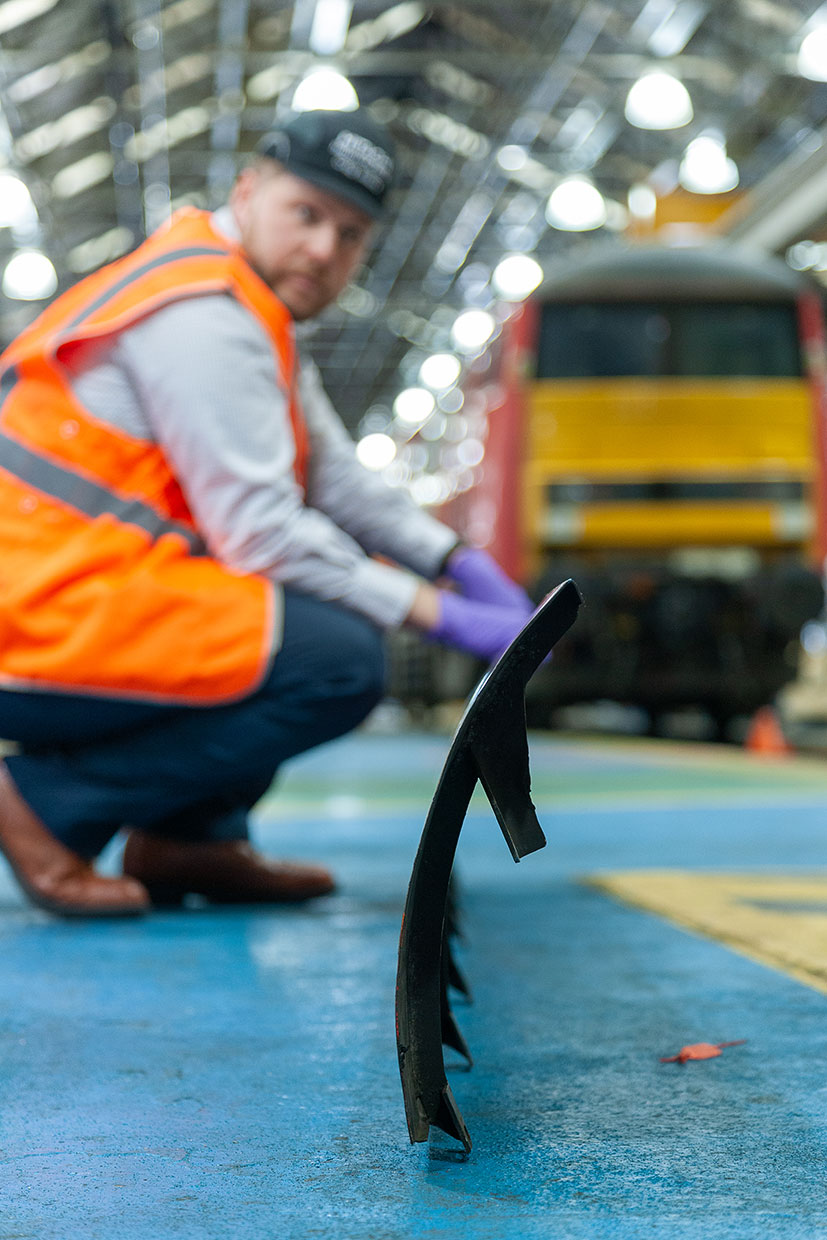
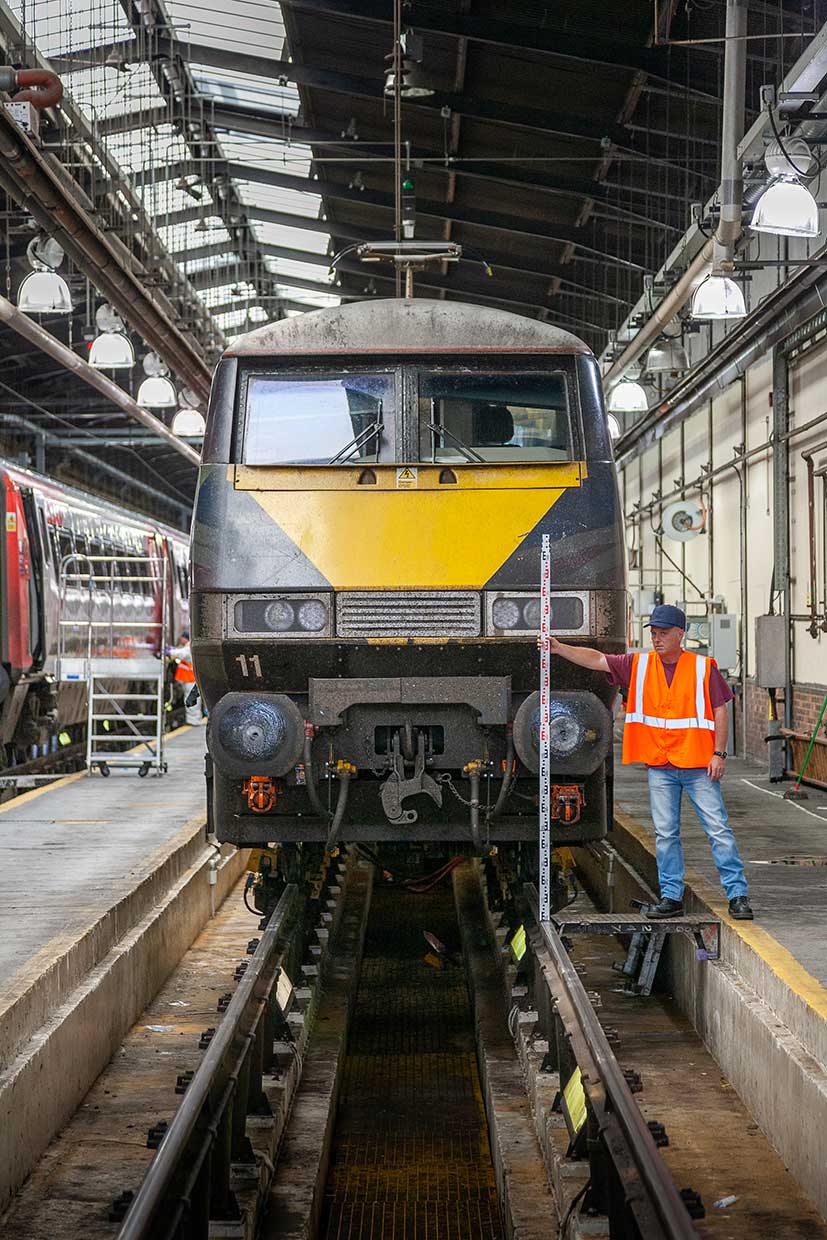
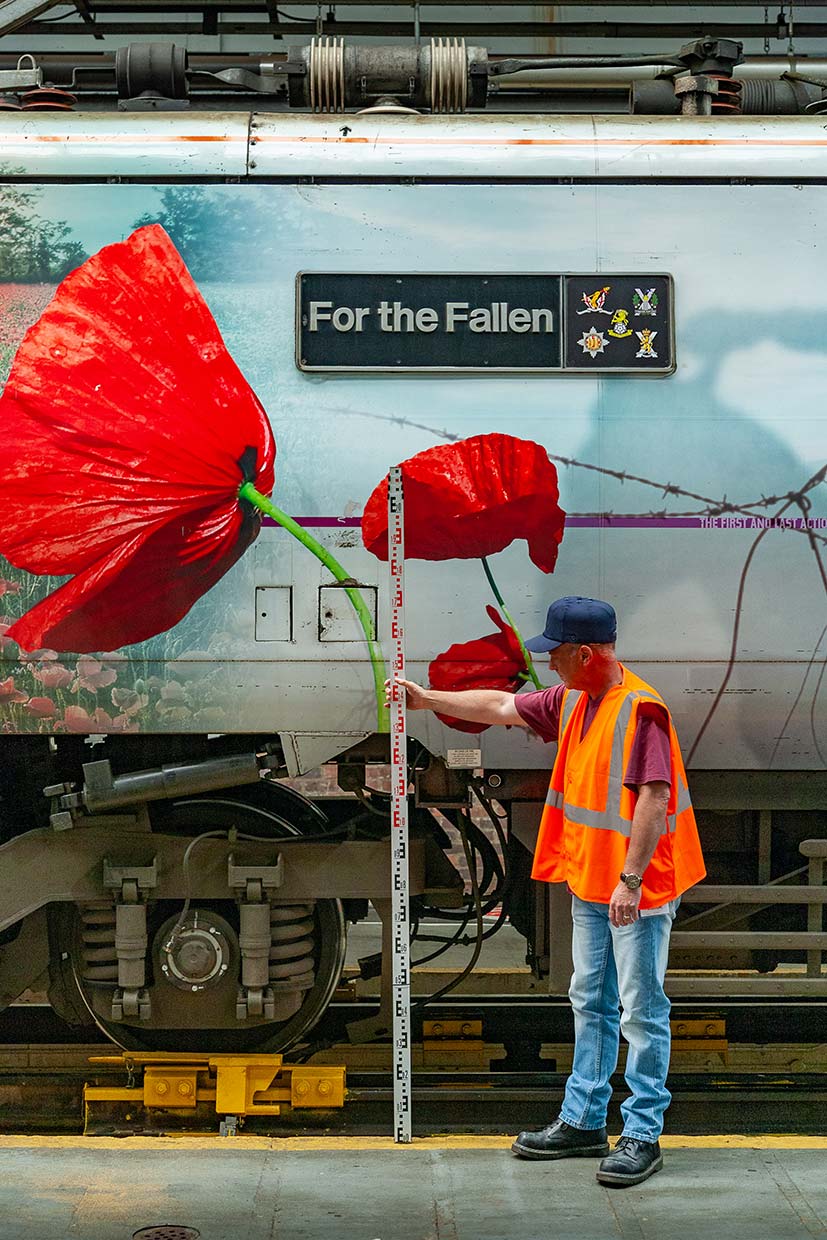
Despite having a full set of works drawings to work from, there were several areas of the locomotive that the team wanted to look at closely; it is one thing looking at a two dimensional set of lines and dimensions but quite another trying to visualise how those assemblies translate into real world panels and how they fit together. One aspect that the designer was keen to look at was the depth and shape of the various lipped components, particularly at the No.2 End. On paper and in photographs, these panels looked solid but closer inspection revealed a number of important details that showed a large amount of overlapping and some ‘interesting’ curvatures.
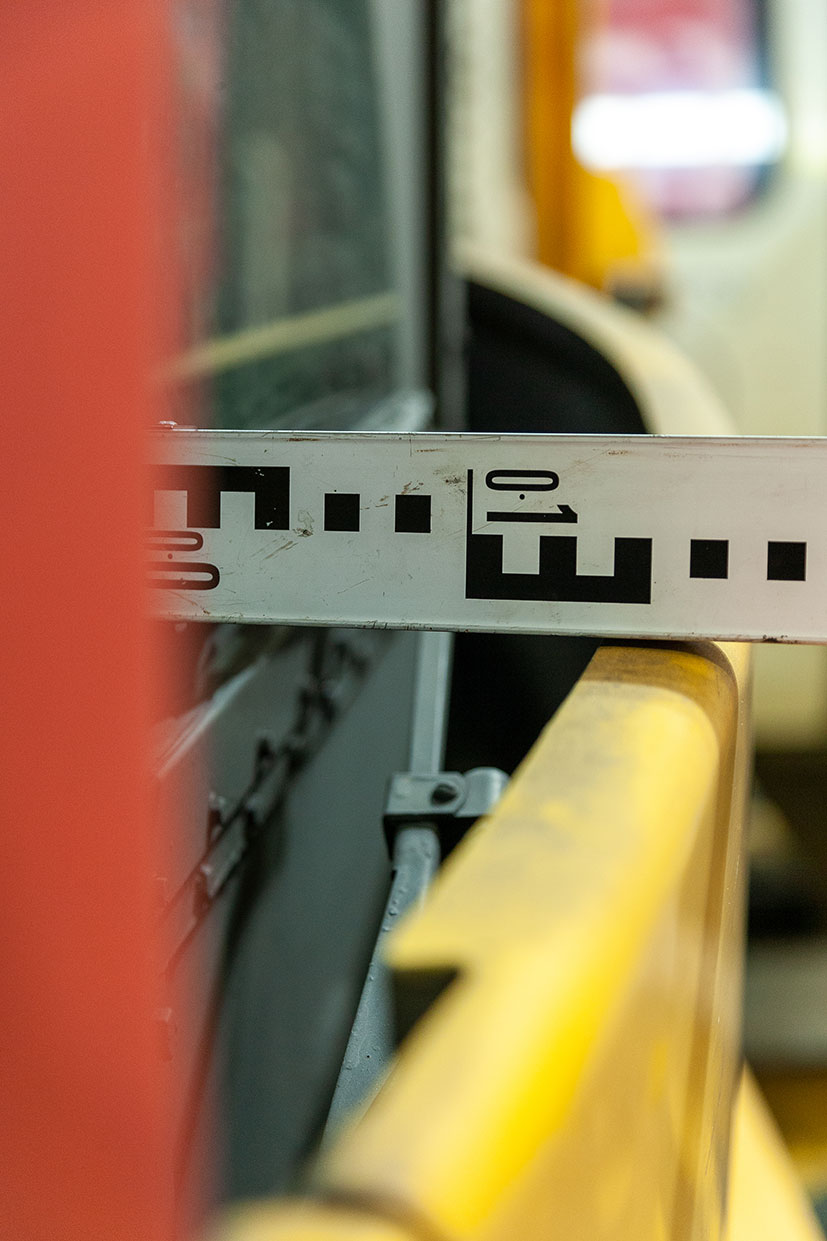
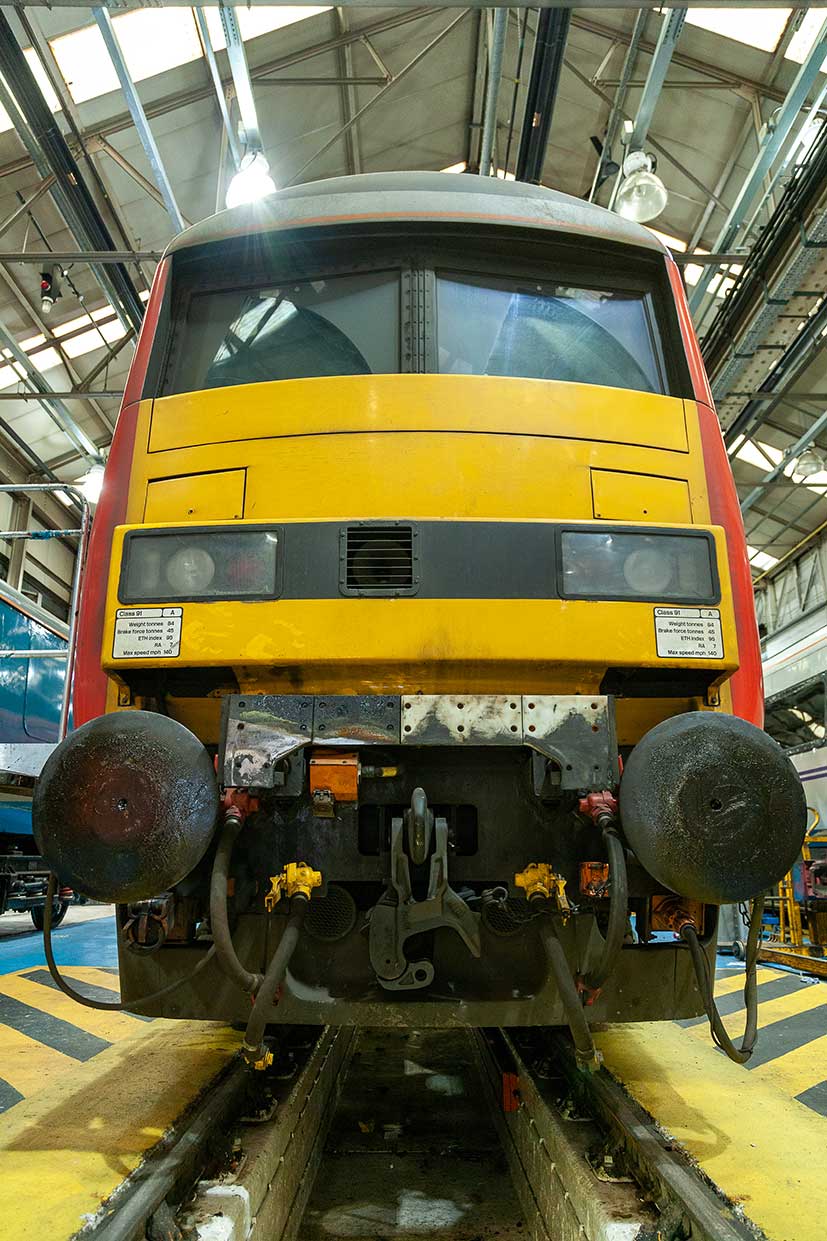
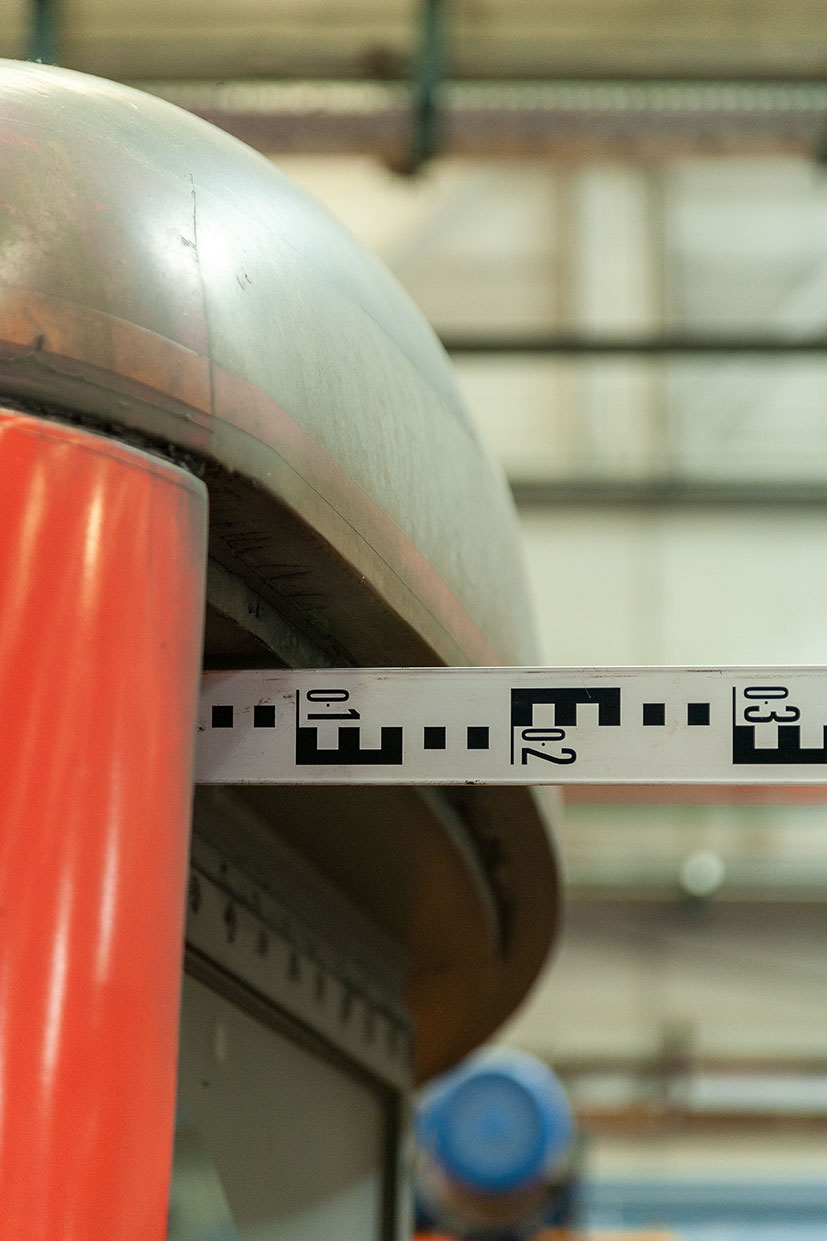
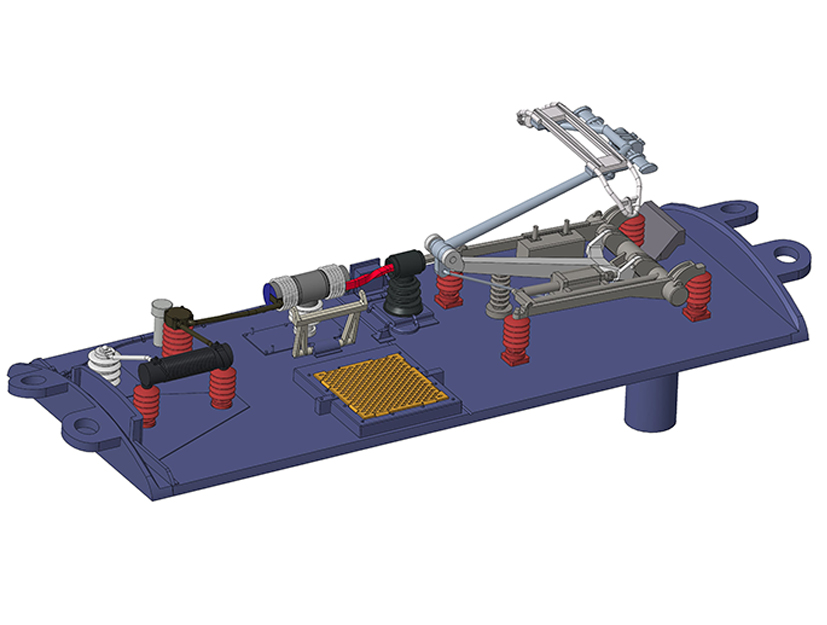
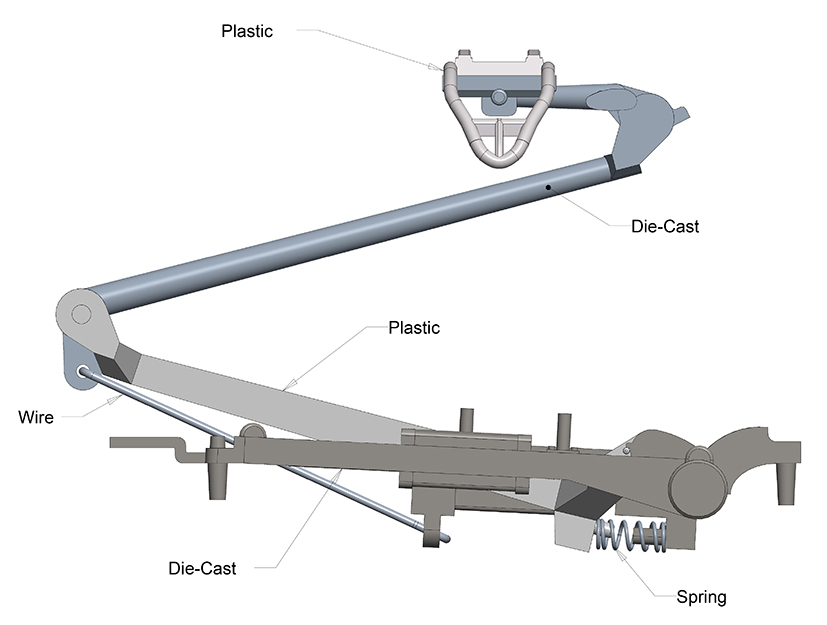
The team also wanted to consider how best to model the pantograph, an area that has created more than a few column inches of debate in various forums over the years. There will always be a conflict between maintaining a prototypical, accurate representation of the pantograph in 1:76th scale and introducing some degree of sprung operation for those railway modellers that wish to operate their locomotives under a representation of the catenary.
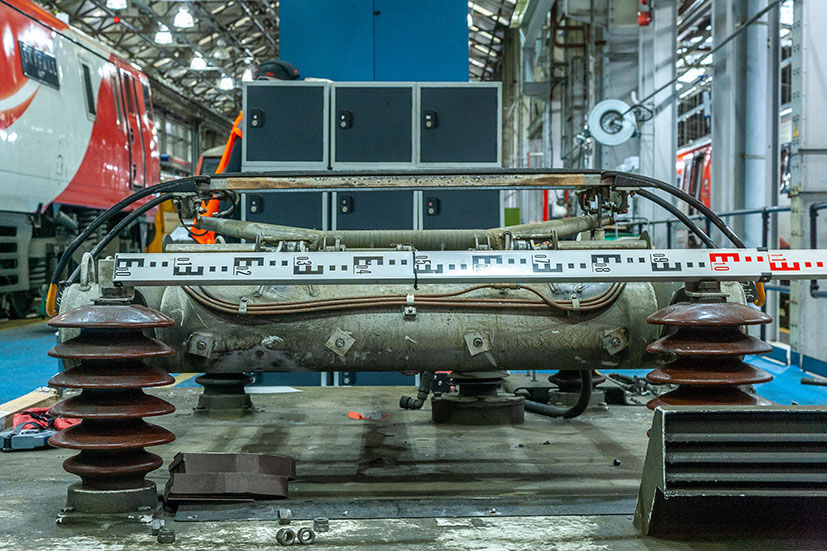
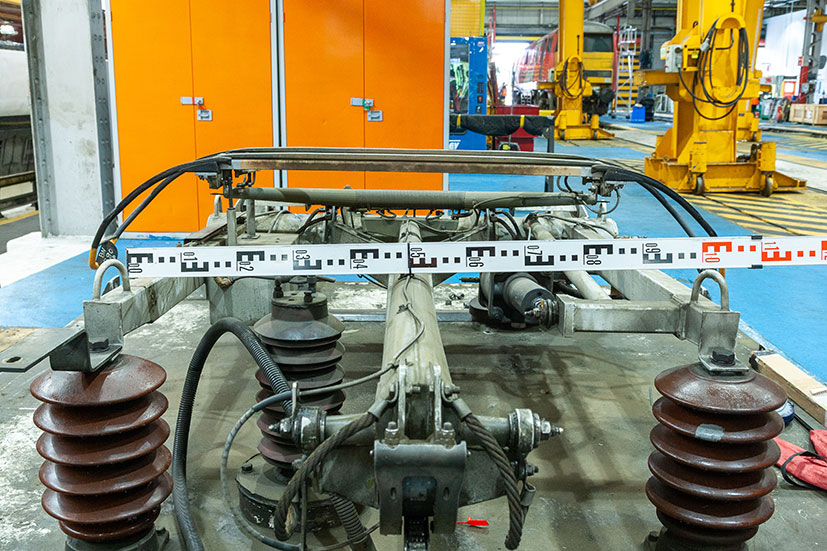
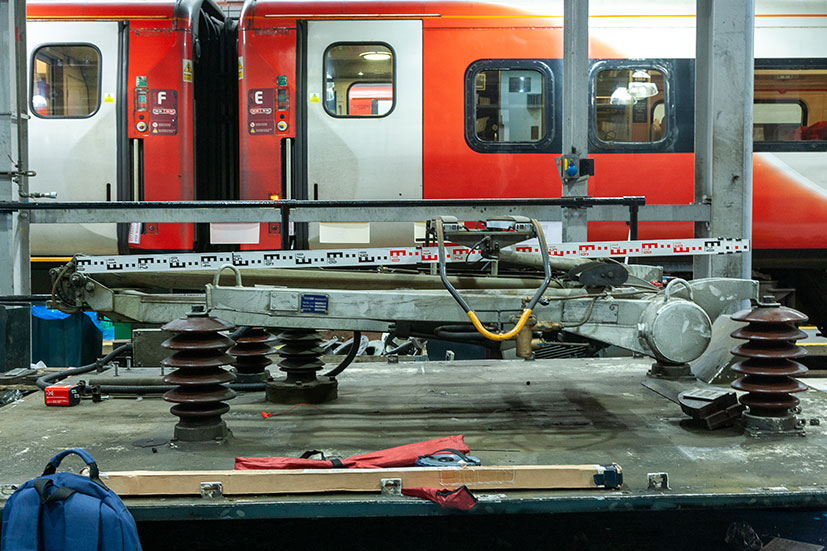
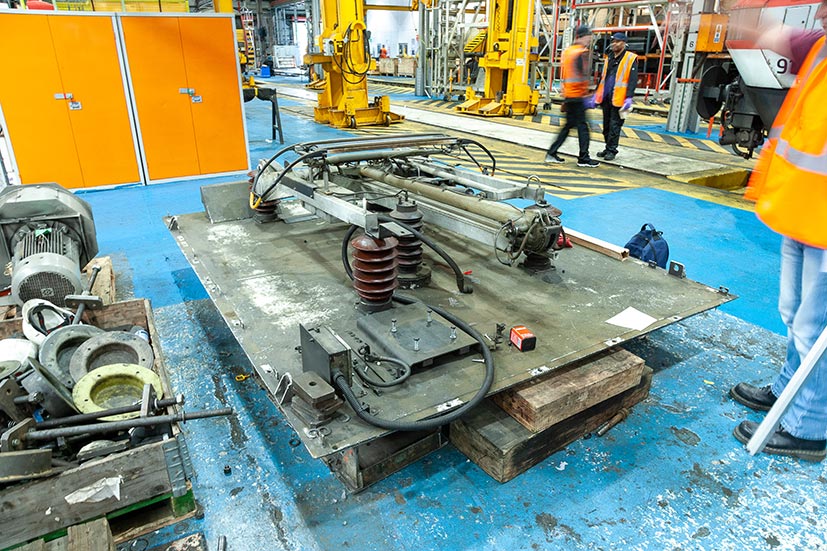
After much thought, discussion and CAD simulation, a certain amount of operability has been incorporated into the design, which will be thoroughly tested as the engineering samples come through.
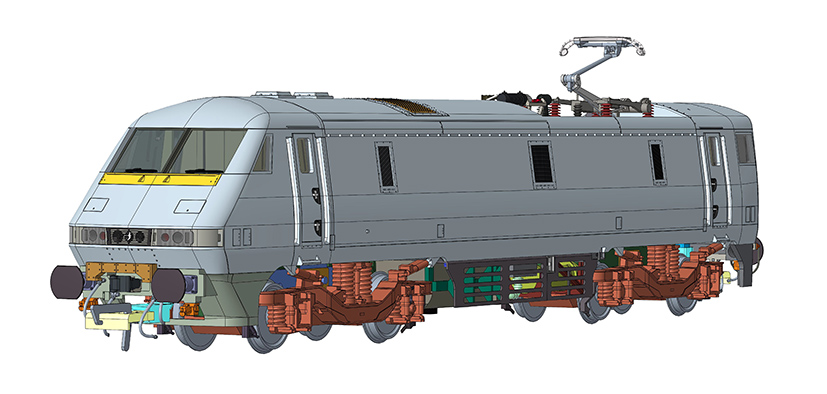
The CAD above represents the build of R3890, 91002 ‘Durham Cathedral’ in BR Intercity ‘Swallow’ livery.
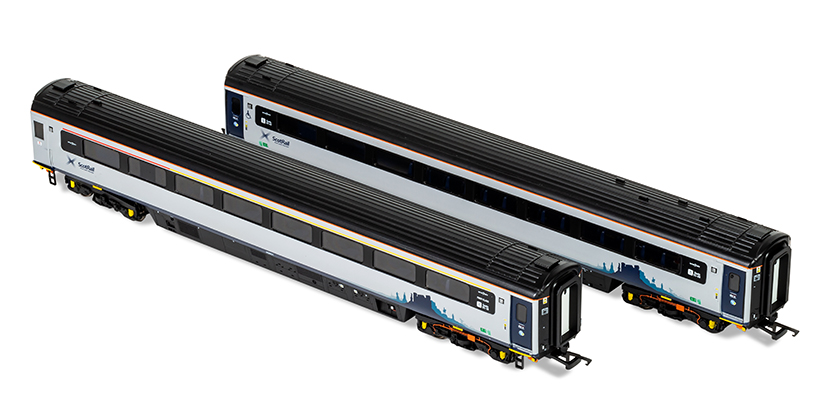
Following on from the coverage of the Cross Country Trains’ in the Engine Shed Easter Egg a couple of weeks ago, we can now bring you images of the first of the ScotRail Mk3SD coaches that are due in shortly; TSDs R4891 and R4891A, along with TGFBs R4907 and R4907A.
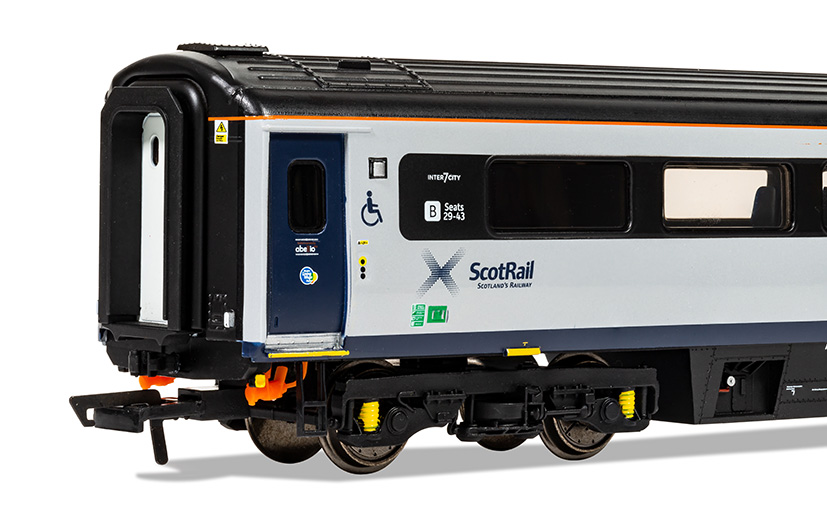
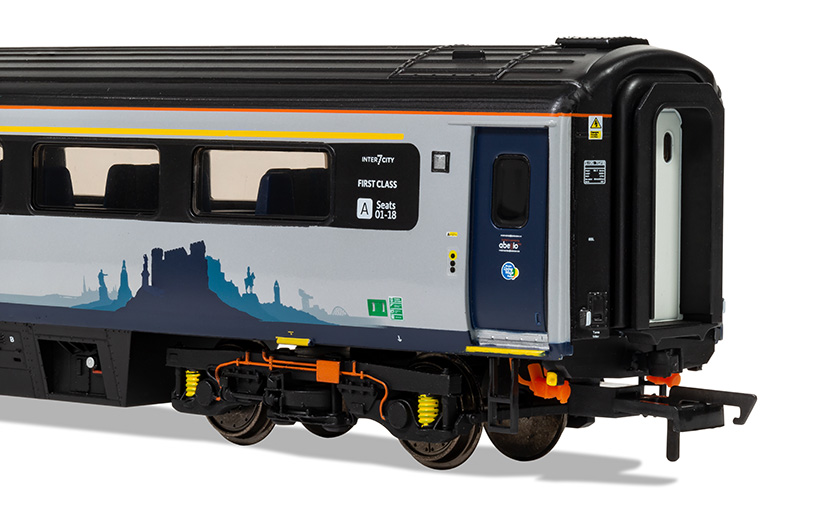
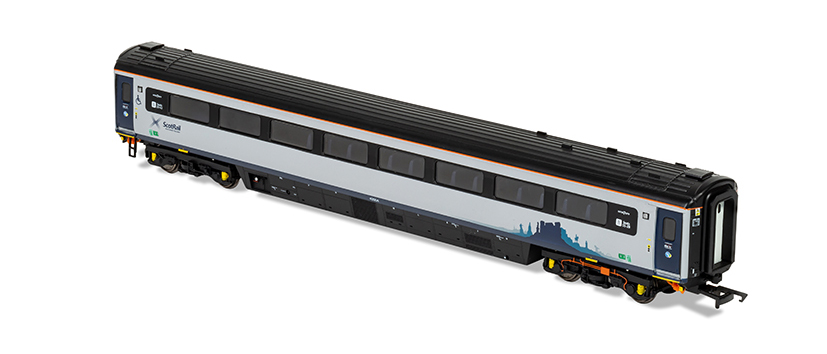
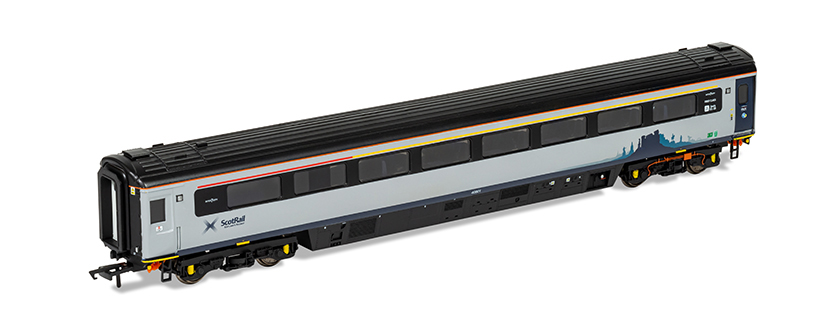
During the research, design and artwork phases for the Mk3SD coaches we were helped very closely by ScotRail’s HST Engineering Support Team, from supplying technical details of the builds, to providing decoration guides and providing final detail checks on Set HA26 at the beginning of June last year.
At the time we committed to production, the formations for the anticipated 5-car sets had not been confirmed, with ScotRail expecting Wabtec to deliver 4-car TGFB/TSD/TS/TSL sets, then producing the seventeen extra TSLs on a separate production line to be inserted into the service sets once completed. As vehicle numbers had not been allocated at this point and with the TS input vehicles having the potential to be output from Wabtec as TS, TSL or TSDs, there was a risk that the potential fifth vehicles for HA25 & HA26 could have been converted into TSDs, so we opted to number the extra two vehicles as the TSLs from Sets HA23 and HA24 that were in works at the time.
|
Designation |
HA26 Vehicle No. |
Hornby Catalogue Ref. |
HA25 Vehicle No. |
Hornby Catalogue Ref. |
Spare ‘Fifth’ Vehicle Nos. and Set No. |
Hornby Catalogue Refs. |
|
TSL |
42046 |
42378 |
R4890A |
42343 (HA24) & 42184 (HA23) |
R4890B/R4890C |
|
|
TS |
42561 |
42036 |
R4937A |
|
|
|
|
TSD |
42004 |
42376 |
R4891A |
|
|
|
|
TGFB |
40601 |
44052 |
R4907A |
|
|
Guide to abbreviations used:
|
TS |
Trailer Standard |
|
TSL |
Trailer Standard (Toilet) |
|
TSD |
Trailer Standard (Disabled) |
|
TGFB |
Trailer Guard First Buffet |
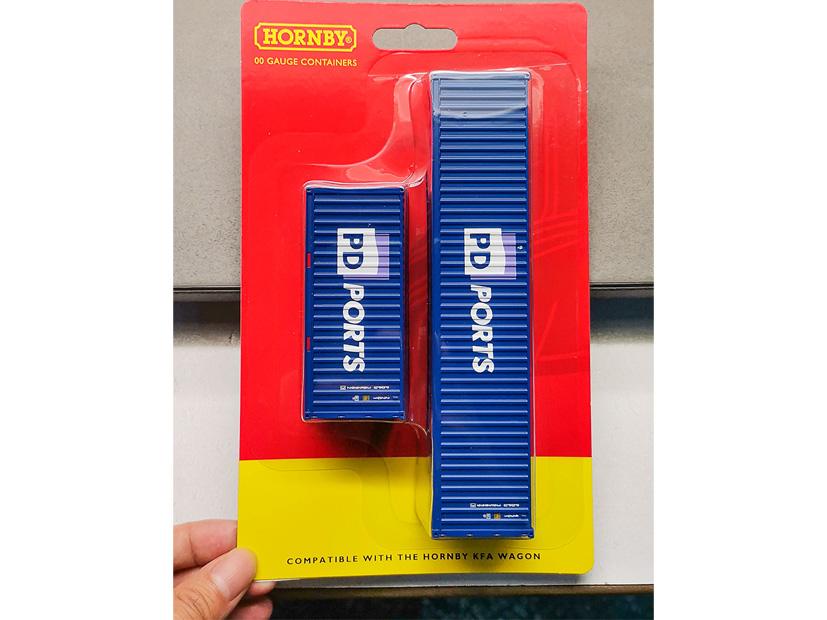
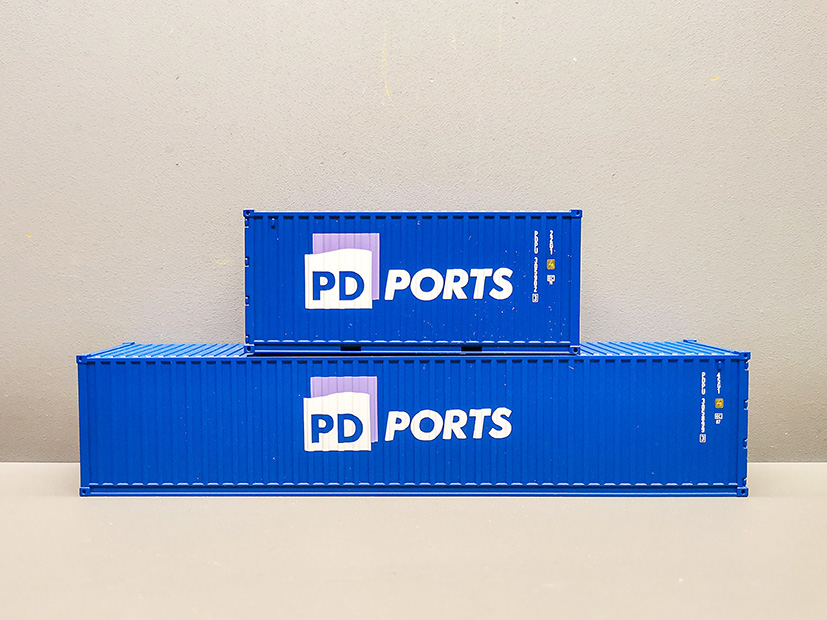
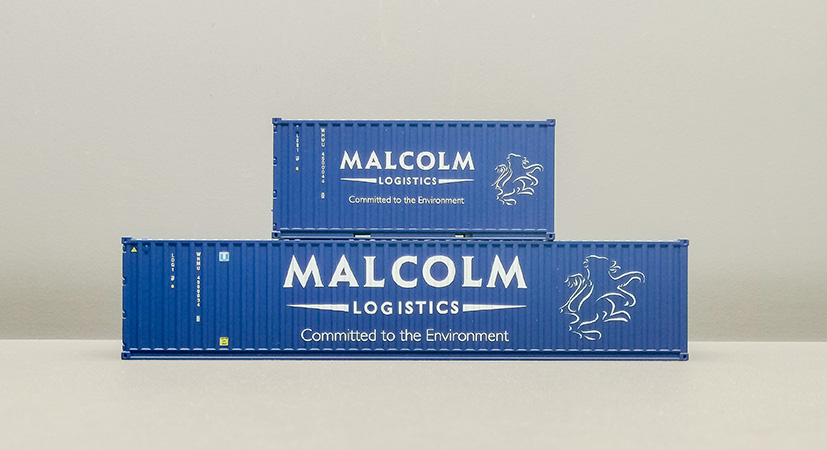
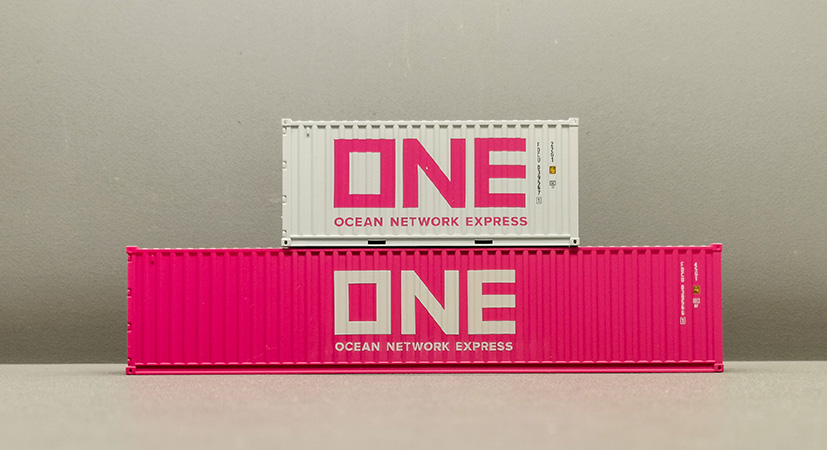
That concludes April’s edition of the Engine Shed, but before we close this month’s issue, we thought we would leave you with some topical samples. Up and down the country, goods are being conveyed by intermodal services, with container rail services radiating out from ports such as Southampton and Tilbury, or from vast inland intermodal hubs. For those of you that like to run this kind of traffic on your layouts, Hornby have introduced a number of blister container packs that allow the railway modeller to build up a collection of different liveried containers. These can be either be added to existing KFA wagons or combined with the empty KFA Intermodal Wagon R6926.
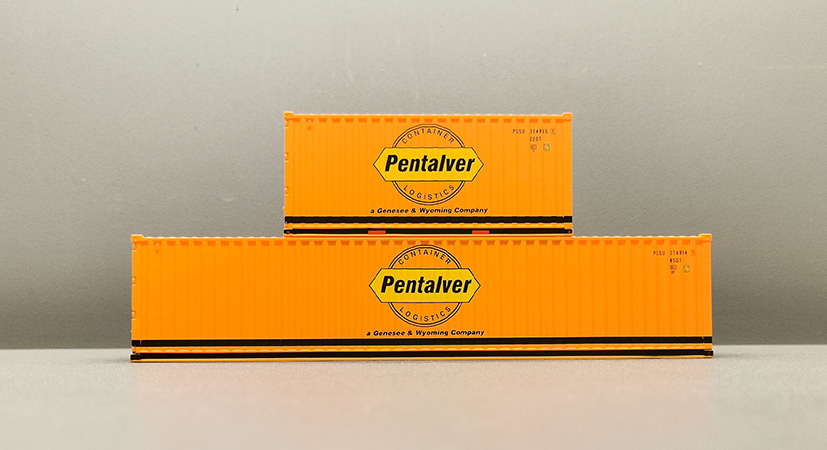
The next regular edition will be with you on the 22nd May, where we hope to be in a position to update you with progress and testing reports on some of the new tool items from the 2020 range, as well as unveiling livery artwork and decoration samples.

In the meantime, to prevent any chance of boredom during this period of isolation, we’ve created the Hornby Kids’ Zone to keep your young railway enthusiasts (and some older enthusiasts as well, if some of the entries are anything to go by) out of mischief. More colouring sheets have recently been added and there will be more activities coming online soon!
If you have any feedback from this edition of the blog, please do pass your comments on to us through Facebook, Instagram or Twitter, or via our Official Forum.
Best wishes to you all, stay safe and healthy.
The Engine Shed team
Return to Engine Shed homepage
© Hornby Hobbies Ltd. All rights reserved.